The Ultimate Guide to African Culinary Heritage: From Ancient Grains to Coastal Delights
African cuisine is not a singular entity but a vast, shimmering mosaic of flavors, techniques, and cultural narratives. For centuries, the continent has maintained a sophisticated relationship with its land and sea, resulting in a culinary heritage that is both nutritionally dense and deeply symbolic. This guide serves as a pillar of knowledge for those seeking to understand the intricate layers of African food culture, from the plant-based diets rooted in ancient spirituality to the modern coastal kitchens defining global seafood trends.
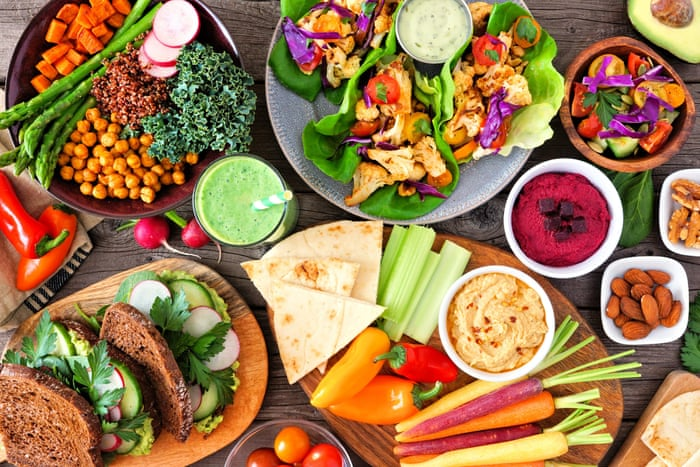
The Foundation of African Vegetarianism and Plant-Based Staples
Long before the global rise of plant-based diets, many African cultures practiced a form of “accidental” or intentional vegetarianism. This was driven by a combination of ecological necessity, economic factors, and deeply held religious beliefs. In the Ethiopian Highlands, for example, the Orthodox Tewahedo Church mandates numerous fasting days throughout the year—periods during which no animal products can be consumed. This has led to the development of one of the world’s most sophisticated vegan cuisines, centered around the nutrient-dense grain known as teff.
Ancient Grains and Superfoods
The backbone of African vegetarianism lies in its indigenous grains. Unlike the refined wheats common in the West, African staples like Millet, Sorghum, and Fonio are drought-resistant, gluten-free, and packed with antioxidants. Fonio, often called “the miracle grain,” matures in just six to eight weeks and provides a nutty, couscous-like texture that serves as a perfect canvas for vegetable stews. These grains are frequently fermented, a process that enhances bioavailability and introduces beneficial probiotics into the diet.
The Role of Legumes and Tubers
In West and Central Africa, protein is often sourced from a variety of legumes. Cowpeas, chickpeas, and various groundnuts are simmered into rich, spicy sauces. Egusi (ground melon seeds) provides a creamy, high-protein base for leaf-heavy soups. Tubers also play a critical role; yams and cassava are not merely carbohydrates but are central to the cultural identity of the region. The “New Yam Festival” in Nigeria is a testament to the spiritual weight these plants carry. When pounded into Fufu or Iyan, they provide the structural integrity needed for traditional communal dining.
Morning Rituals: Breakfast Traditions Across the Continent
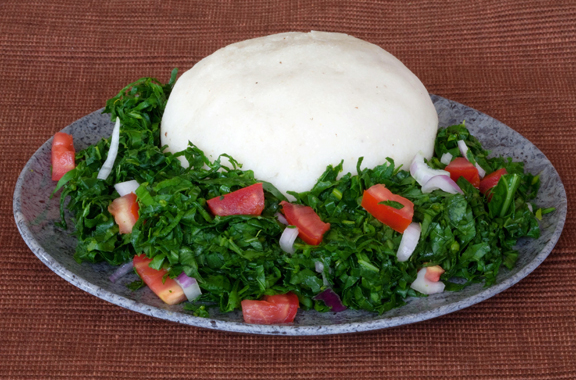
In Africa, breakfast is rarely a rushed affair. It is a vital transition from the rest of the night to the labor of the day, often involving warm, energy-dense foods and communal tea or coffee ceremonies. The variety of breakfast dishes reflects the agricultural output of each specific region, ranging from savory fermented porridges to sweet, deep-fried doughs.
Savory Starters and Fermented Porridges
In East Africa, specifically Kenya and Tanzania, the day often begins with Uji. This is a thick porridge made from fermented millet or sorghum flour. The fermentation gives it a distinct tang, which is often balanced with a touch of sugar or lemon. Further west, in Nigeria and Ghana, Akara (fried bean cakes) served with Ogi (fermented corn pap) is a staple. The process of making Akara—peeling, grinding, and whipping black-eyed peas until they are light and airy—is a culinary art form passed down through generations.
The Influence of Trade and Spice
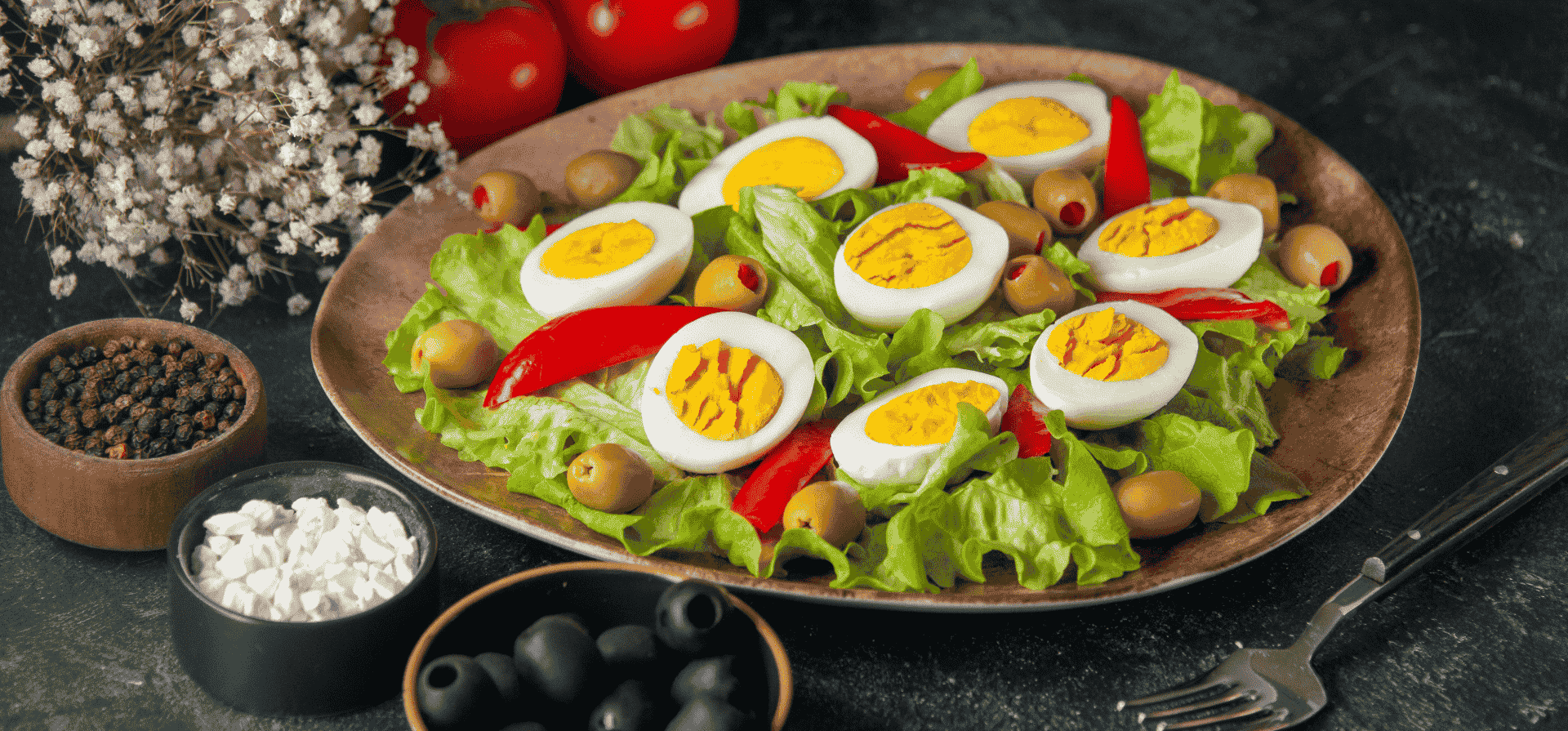
North African breakfasts showcase the historical influence of Mediterranean and Middle Eastern trade routes. Shakshuka, a dish of poached eggs in a spicy tomato and pepper sauce, is perhaps the most famous export. However, local variations include the use of Merguez (spicy lamb sausage) or preserved lemons. In the Maghreb, breakfast might also consist of Beghrir, “thousand-hole pancakes” made from semolina, served with honey and butter, representing a perfect synergy of texture and sweetness.

Coastal Treasures: Exploring African Seafood Delights
With thousands of miles of coastline bordering the Atlantic and Indian Oceans, as well as the Mediterranean and Red Seas, Africa possesses an unparalleled seafood tradition. Coastal communities have developed specialized techniques for preserving and flavoring the bounty of the sea, often utilizing the intense heat of the sun and the aromatic spices of the interior.
West African Atlantic Flavors
Senegal is often cited as the seafood capital of West Africa. The national dish, Thieboudienne, is a masterclass in coastal cooking. It features firm white fish (like grouper or snapper) stuffed with a pungent herb paste (rofi), simmered in a rich tomato base with cassava, carrots, and cabbage, and served over broken rice. The use of fermented fish (guédj) and dried conch (yet) adds a deep, umami-rich funk that is characteristic of the region’s flavor profile.
The Swahili Coast and Indian Ocean Influence
On the eastern side of the continent, the Swahili Coast (stretching from Somalia to Mozambique) offers a different palette. Here, the influence of the spice trade is evident. Seafood is often cooked in fresh coconut milk and seasoned with cloves, cinnamon, and cardamom. Prawn Curry from Zanzibar or grilled lobster with lime and chili are hallmarks of this region. The use of the “tanoor” or clay oven for roasting whole fish ensures a smoky, tender finish that highlights the freshness of the catch.
Taste Archaeology: Timeless Dishes That Define a Continent
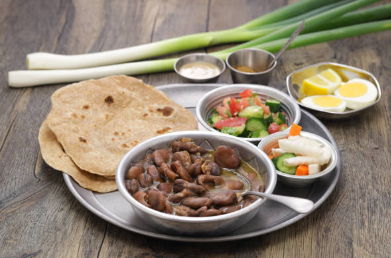
Some dishes are so fundamental to the human experience that they act as edible artifacts. “Taste Archaeology” refers to the study and preservation of these timeless recipes—dishes that have survived migrations, colonizations, and the passage of centuries with their core identities intact.
The Ancient Legacy of Couscous and Injera
Couscous, originating with the Berbers of North Africa, is one of the oldest known processed foods. The traditional method of hand-rolling semolina into tiny pearls and steaming them over a simmering stew is a ritual that has remained unchanged for over a thousand years. Similarly, Injera, the sourdough flatbread of Ethiopia and Eritrea, relies on the ancient grain teff and a fermentation process that can last several days. These foods are not just sustenance; they are the literal “plates” upon which history is served.
The Continental Debate: Jollof Rice
While perhaps more “modern” than millet porridge, Jollof Rice represents a shared heritage across West Africa that has sparked a friendly but fierce continental rivalry. Originating from the Wolof people of Senegal (where it is known as Thieboudienne), the dish migrated across borders, adapting to local ingredients. Whether it is the smokier, long-grain version from Nigeria or the spicier, basmati-based version from Ghana, Jollof remains a symbol of West African unity and festive celebration.
The Enduring Legacy of African Culinary Techniques
Beyond individual ingredients, the true genius of African cuisine lies in its techniques. These methods were developed to maximize flavor and nutrition while respecting the environment. Understanding these principles is essential for any modern chef or home cook looking to replicate the authentic taste of the continent.
| Technique | Description | Regional Example |
|---|---|---|
| Slow-Fire Smoking | Preserving fish and meat over low-heat wood fires to add depth. | Smoked Catfish (Nigeria) |
| Triple Steaming | Steaming grains multiple times to achieve a light, fluffy texture. | Traditional Couscous (Morocco) |
| Stone Grinding | Using manual grinding stones to retain the oils and nutrients of grains. | Teff Flour (Ethiopia) |
| Clay Pot Simmering | Cooking in unglazed earthenware to regulate heat and retain moisture. | Tagine (North Africa) |
The use of Fermentation deserves special mention. In many parts of Africa, fermentation is used not only for preservation but as a way to transform the chemical structure of food. From the fermented locust beans (Iru/Dawadawa) used as a seasoning to the fermented cassava used for Gari, these processes create complex flavor profiles—salty, sweet, sour, and umami—that define the African palate. This ancestral wisdom is now being recognized by modern nutritionists for its role in gut health and immune support.
Frequently Asked Questions (FAQ)
- Q1: Is African cuisine naturally healthy?
- Yes, traditional African diets are among the healthiest in the world. They are naturally high in fiber due to the use of whole grains and legumes, rich in antioxidants from indigenous vegetables, and often gluten-free. The emphasis on fermentation also provides significant probiotic benefits.
- Q2: What is the most common staple food across Africa?
- While it varies by region, starchy staples are universal. In West Africa, it is yams and cassava; in East and Southern Africa, it is maize (Ugali/Pap); and in North Africa and the Horn, it is wheat (Couscous) and teff (Injera).
- Q3: How do African seafood dishes differ from Western ones?
- African seafood often incorporates intense spice blends (like Berbere or Harissa) and fermented elements to create a more complex flavor profile. There is also a strong tradition of using the whole fish, including the head, to enrich the flavor of stews and soups.
- Q4: Why is fermentation so prevalent in African cooking?
- Historically, fermentation was a vital preservation method in hot climates. Culturally, it became a way to develop unique flavors and make certain grains and tubers (like cassava) safe and easier to digest by breaking down anti-nutrients.
- Q5: Can I find vegetarian options in most African countries?
- Absolutely. While meat is often served at celebrations, the daily diet in many African communities is centered around vegetables, beans, and grains. Ethiopia, in particular, is a world leader in diverse and flavorful vegan cuisine.