Exploring the Diverse and Rich Flavors of African Cuisine: A Pillar Page Guide
The Vibrant Tapestry of African Culinary Traditions
Africa, a continent of immense geographical and cultural diversity, presents a culinary landscape as rich and varied as its people. Far from a monolithic cuisine, African food is a vibrant tapestry woven from indigenous ingredients, ancient traditions, and historical influences from trade routes and colonial eras. Each region, and often each country, boasts its own signature dishes, cooking techniques, and staple foods, reflecting unique agricultural practices and cultural narratives. The common thread running through this diversity is a deep connection to fresh, local produce, communal eating, and flavors that tell stories of heritage and community.
Regional Culinary Distinctions and Core Ingredients
Understanding African cuisine requires appreciating its regional distinctions. North Africa, with its strong Arab and Berber influences, features aromatic spices, couscous, tagines, and pastries. West Africa is renowned for its spicy stews, rice dishes like Jollof, and the use of staples such as yams and plantains. East African cuisine often incorporates Indian and Middle Eastern spices, with staples like ugali and slow-cooked meats. Central Africa leans heavily on cassava, plantains, and rich, leafy green stews. Southern Africa offers a blend of indigenous, Dutch, and Indian influences, characterized by braai (barbecue), hearty porridges, and preserved meats.
- Staple Grains and Tubers: Across the continent, staples like maize (corn), rice, millet, and sorghum form the foundation of many meals, often ground into flours for porridges. Yams, plantains, and cassava are also critical, providing essential carbohydrates and forming the base for various dishes.
- Key Proteins and Vegetables: A wide array of proteins, from beef, goat, and chicken to various freshwater and saltwater fish, are central. Legumes like beans and groundnuts (peanuts) are vital protein sources, while vegetables such as okra, spinach, collard greens, and tomatoes add freshness and nutrients.
- Aromatic Spices and Herbs: African cuisine is celebrated for its bold use of spices. Common spices include ginger, garlic, onions, chili peppers, coriander, cumin, turmeric, and unique local herbs that give each dish its distinctive character.
Luwombo: Uganda’s Slow-Cooked Delicacy and Cultural Treasure
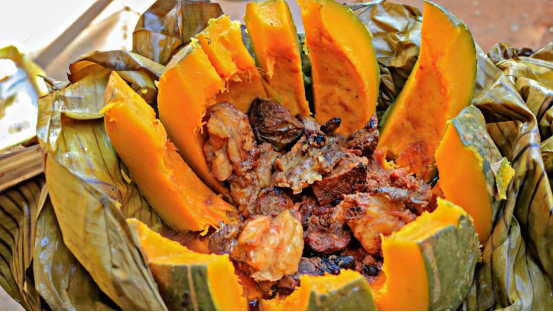
Luwombo is more than just a dish in Uganda; it is a culinary institution, a symbol of hospitality, and a testament to the art of slow cooking. This traditional Ugandan stew, typically prepared for special occasions, celebrations, and esteemed guests, embodies a profound cultural significance. Its unique preparation method, involving steaming ingredients wrapped in fresh banana leaves, is what truly sets it apart, infusing the dish with an unparalleled aroma and tenderness that cannot be replicated by conventional cooking methods. The deliberate, unhurried process of making Luwombo reflects a respect for tradition and a deep appreciation for the culinary experience.
The Art of Banana Leaf Steaming and Flavor Infusion
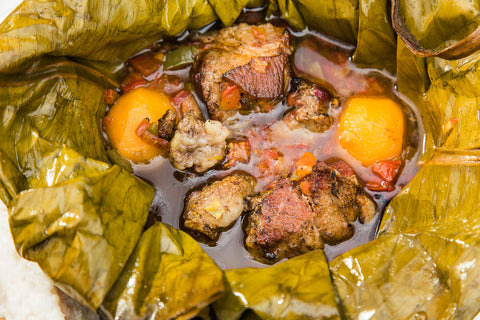
The essence of Luwombo lies in its distinctive steaming process. Ingredients are carefully layered and wrapped tightly in fresh, pliable banana leaves, forming individual parcels that are then steamed over a pot of boiling water or within a larger pot of stew. This method achieves several critical objectives: it locks in moisture, preventing the ingredients from drying out; it allows the flavors to meld intensely over a long cooking period; and crucially, the banana leaves themselves impart a subtle, earthy, and sweet fragrance to the dish, elevating its taste profile to something truly unique. The result is a profoundly tender and aromatic stew, rich in flavor and cultural memory.
- Core Ingredients: While variations exist, common proteins include chicken, beef, goat, or even fish. These are often combined with a rich sauce base, frequently incorporating groundnut paste (peanut butter), which lends a creamy texture and nutty depth, along with finely chopped onions, tomatoes, carrots, and a medley of traditional Ugandan spices.
- Meticulous Preparation: The meat is typically marinated and then combined with the vegetables and groundnut paste. This mixture is then meticulously wrapped in layers of softened banana leaves, ensuring no steam escapes. The parcels are then placed in a large pot, often on a bed of banana leaf stems, and slow-steamed for several hours until the ingredients are exceptionally tender and the flavors fully developed.
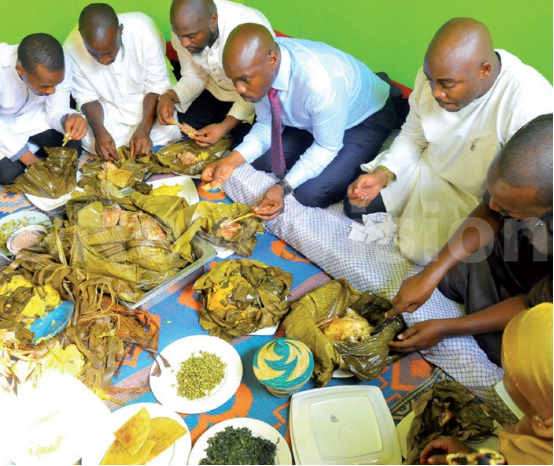
- Cultural Significance: Luwombo is a staple at Ugandan weddings, traditional ceremonies, and family gatherings. Serving Luwombo is a gesture of honor and respect, signifying the importance of the guests and the occasion. It represents the warmth of Ugandan hospitality and the enduring legacy of its culinary heritage, passed down through generations.
Jollof Rice: West Africa’s Controversial King of Deliciousness
Jollof Rice stands as an undisputed icon of West African cuisine, a dish so beloved and central to the region’s culinary identity that it often sparks passionate, yet friendly, debates among nations. This vibrant, flavorful rice dish, cooked in a rich tomato-based sauce, is a staple at virtually every celebration, family gathering, and casual meal across West Africa. Its origins are generally traced back to the Wolof people of Senegal and Gambia, but over centuries, it has evolved into countless variations, each country proudly claiming its version as the superior one. The allure of Jollof lies in its deep, savory flavor, its alluring aroma, and its ability to bring people together, transcending borders through a shared love for this culinary masterpiece.
The Great Jollof Debate and Regional Nuances
The “Jollof Wars” refer to the ongoing, good-natured rivalry between West African countries, primarily Ghana and Nigeria, over whose Jollof rice reigns supreme. While the core ingredients remain similar, subtle differences in preparation, spice blends, and rice types lead to distinct flavor profiles and textures. These debates highlight the deep cultural pride associated with the dish and the nuanced culinary traditions of each nation. Beyond the rivalry, the evolution of Jollof across the region showcases a remarkable adaptability and creativity in West African cooking.
- Core Ingredients: The foundation of Jollof rice consistently includes long-grain rice (often parboiled for better texture), tomatoes, tomato paste, onions, bell peppers, and a blend of aromatic spices such as thyme, curry powder, ginger, and garlic. The sauce is typically simmered with a protein, often chicken, beef, or fish, which infuses the rice with additional depth.
- Variations Across Nations:
- Nigerian Jollof: Often characterized by its smokiness, achieved by cooking the rice in a rich, deeply flavored tomato and pepper stew. It’s known for its robust and intense flavor.
- Ghanaian Jollof: Tends to be less spicy than its Nigerian counterpart, often using basmati rice which gives it a distinct aroma and lighter texture. It frequently incorporates shito (a hot pepper sauce) as an accompaniment.
- Senegalese Thieboudienne: While not strictly Jollof, it is considered the precursor. It’s a fish and rice dish with a rich tomato sauce and vegetables, demonstrating the foundational elements.
- Liberian Jollof: Often includes mixed vegetables and sometimes uses smoked fish for a unique flavor.
- Preparation Method: The rice is typically added directly to the simmering tomato-pepper stew, absorbing all the flavors as it cooks. The key is to achieve a perfect balance of moisture, ensuring the rice is tender but not mushy, and infused with the deep, savory, and often spicy notes of the sauce.

Ghanaian Meat Pies: A Global Taste Sensation
Ghanaian Meat Pies have transcended their status as a beloved local snack to become a globally recognized delicacy, captivating taste buds far beyond the borders of West Africa. These savory pastries are a quintessential part of Ghanaian street food culture, found in bustling markets, roadside stalls, and bakeries across the country. Their widespread appeal is a testament to their comforting nature, convenient portability, and the irresistible combination of a flaky, golden crust encasing a richly seasoned, succulent meat filling. The simplicity and profound satisfaction derived from a well-made Ghanaian meat pie make it a universally cherished treat.
The Perfect Pastry and Savory Filling: A Culinary Harmony
The success of Ghanaian meat pies lies in the harmonious balance between their two primary components: the pastry and the filling. The pastry is typically a shortcrust dough, meticulously prepared to achieve a delicate flakiness and a beautiful golden-brown color when baked. It’s robust enough to hold the generous filling but tender enough to melt in the mouth. The filling, a star in its own right, is a testament to Ghanaian seasoning expertise, offering a burst of savory flavors that complement the pastry perfectly.
- Key Features of the Pastry: The crust is often made with flour, butter or margarine, and sometimes a touch of baking powder to enhance its lightness. It’s rolled out thinly, cut into circles, and then carefully sealed around the filling. The baking process transforms it into a golden, slightly crisp, and wonderfully crumbly shell.
- The Heart of the Pie: Savory Filling: The traditional filling consists of finely minced or ground beef, though chicken or even vegetable versions are increasingly popular. The meat is generously seasoned with a blend of Ghanaian spices, including onions, garlic, ginger, thyme, curry powder, and often a hint of chili for a subtle kick. It’s cooked until tender and flavorful, creating a rich, savory core for the pie.
- Cultural Context and Versatility: Ghanaian meat pies are incredibly versatile. They serve as a quick breakfast on the go, a satisfying lunch, a convenient snack, or an appetizer at social gatherings. They are a common sight at parties, school canteens, and bus stations, embodying the spirit of Ghanaian hospitality and culinary ingenuity. Their popularity has led to their presence in Ghanaian diaspora communities worldwide, further cementing their global appeal.

Romazava: Madagascar’s Homely and Hearty Stew
Romazava holds a special place in the heart of Madagascar, widely considered the island nation’s national dish. This traditional stew is a profound expression of Malagasy culinary identity, embodying both cultural memory and the warmth of home-cooked comfort. It is celebrated for its simplicity, its nutritional value, and its distinctive flavor profile, which often includes a unique tingling sensation. Romazava is more than just a meal; it is a daily ritual for many Malagasy families, a dish that connects them to their heritage and provides sustained nourishment, making it a true symbol of Malagasy life.
The Power of “Brede Mafana” and its Unique Sensation
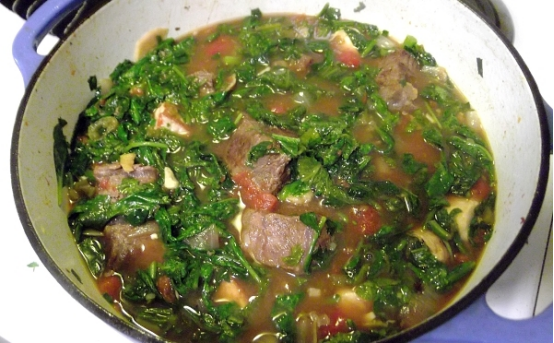
What truly distinguishes Romazava from other stews is the inclusion of specific local greens, most notably “brede mafana” (also known as paracress or Acmella oleracea). These greens impart a peculiar, slightly numbing or tingling sensation in the mouth, adding an unexpected and intriguing dimension to the stew’s flavor and texture. This unique characteristic is a hallmark of authentic Romazava and is deeply cherished by those familiar with Malagasy cuisine. The greens not only contribute to the dish’s flavor but also its vibrant green color and nutritional richness.
- Key Ingredients: Romazava typically features a combination of beef, pork, or chicken, often cut into cubes. The meat is simmered with a variety of leafy greens, which can include brede mafana, spinach, watercress, or other local varieties. Staples like onions and tomatoes form the aromatic base, providing depth and acidity to the stew.
- Preparation and Flavor Profile: The preparation of Romazava is straightforward, focusing on bringing out the natural flavors of its components. The meat is usually browned, then simmered with the onions and tomatoes until tender. The mixed greens are added towards the end, cooked just until wilted but still retaining their freshness and vibrant color. The resulting stew is light yet hearty, with a clean, earthy flavor complemented by the subtle tang of tomatoes and the unique sensation from the brede mafana. It is traditionally served with a generous portion of steaming hot rice, which serves to soak up the flavorful broth.
- Cultural Significance: Romazava is a fundamental part of the Malagasy diet, consumed regularly across all social strata. It represents the island’s agricultural bounty and the resourcefulness of its people. The act of sharing Romazava around a family table reinforces communal bonds and preserves a culinary heritage that has been passed down through generations, making it a dish imbued with profound cultural meaning.

Bastilla: Morocco’s Sweet and Savory Pastry Legend
Bastilla, also known as Pastilla, is an exquisite and legendary Moroccan pastry that embodies a remarkable blend of sweet and savory flavors, encased within delicate, flaky layers of warqa dough (a thinner, crispier version of phyllo). This elaborate dish is a masterpiece of Moroccan cuisine, typically reserved for special occasions, grand celebrations, and honored guests. Its complex preparation and rich, aromatic filling make it a centerpiece that showcases the sophistication and artistry of North African culinary traditions. Bastilla’s unique taste profile, where the sweetness of powdered sugar and cinnamon harmonizes with the savory depth of spiced meat and eggs, creates an unforgettable gastronomic experience.
A Symphony of Flavors and Textures within Flaky Layers
The magic of Bastilla lies in its intricate layering and the unexpected yet delightful contrast of its ingredients. Traditionally, the pie features a filling of shredded pigeon or chicken, slow-cooked until incredibly tender and infused with a fragrant blend of spices like saffron, ginger, and turmeric. This savory meat is then combined with scrambled eggs and a crunchy layer of toasted almonds, often sweetened with orange blossom water. All of this is enveloped in numerous thin sheets of warqa, brushed with butter, and baked to a golden crisp. The final touch is a generous dusting of powdered sugar and cinnamon, creating a truly unique sweet-and-savory symphony.
- Traditional Fillings: While traditionally made with pigeon, chicken is now a more common and accessible protein. Seafood Bastilla, featuring a medley of prawns, calamari, and fish, is also a popular modern variation, particularly in coastal regions. The key is slow-cooking the chosen protein until it is incredibly tender and can be easily shredded.
- The Art of Warqa: The success of Bastilla heavily relies on the quality and handling of warqa. These paper-thin pastry sheets are meticulously layered, often 8-10 layers on the bottom and 4-5 on top, each brushed with melted butter to ensure maximum flakiness and crispness. The careful layering creates a beautiful, airy texture that shatters with each bite.
- Flavor Harmony: The savory element comes from the spiced meat and eggs, while the sweet notes are introduced through the almond layer, often sweetened with sugar and orange blossom water, and the final decorative dusting of powdered sugar and cinnamon. This combination is a hallmark of Moroccan cuisine, where sweet and savory often coexist in perfect balance, creating a rich and complex flavor profile that tantalizes the palate.
- Preparation and Presentation: Bastilla is a dish that demands patience and skill. After assembling, it is baked until the pastry is golden and crisp. It is typically served hot, garnished elaborately with the cinnamon and powdered sugar in decorative patterns, making it as visually appealing as it is delicious. It serves as an impressive starter or a main course for festive occasions.
Bariis Iskukaris: Somalia’s Aromatic Rice Dish
Bariis Iskukaris, often simply referred to as “Bariis,” is the quintessential national dish of Somalia, a vibrant and aromatic rice pilaf that encapsulates the rich culinary heritage of the Horn of Africa. This celebratory dish is a staple at family gatherings, religious holidays, and special occasions, showcasing a masterful blend of fragrant spices that tell tales of ancient trade routes and cultural exchanges. More than just a side dish, Bariis Iskukaris is a complete meal in itself, typically served with a hearty protein, and its distinctive aroma often signals a feast is at hand, bringing warmth and flavor to every Somali table.
The Scent of the Horn of Africa: A Symphony of Spices
The heart of Bariis Iskukaris lies in its complex and intoxicating spice blend, which gives the dish its signature aroma and flavor. Unlike simpler rice preparations, Bariis Iskukaris is built upon layers of spices, carefully toasted and ground to release their full potential. This aromatic foundation reflects Somalia’s historical role as a hub on the ancient spice trade routes, incorporating flavors from India, the Middle East, and beyond, while retaining a distinctly Somali character. The combination of these spices creates a warm, earthy, and subtly sweet profile that is both comforting and exotic.
- Key Spices: The essential spice mix for Bariis Iskukaris includes cardamom, cumin, cloves, cinnamon, black pepper, and often a touch of turmeric for color. Some variations may also include ginger, garlic, or even a hint of saffron. These spices are typically bloomed in oil or ghee at the beginning of the cooking process to maximize their fragrance and flavor.
- Base Ingredients and Preparation: The dish starts with high-quality basmati rice, known for its long grains and aromatic qualities. Onions are sautéed until golden, followed by the spice blend, which is cooked briefly to release its aromas. Tomatoes or tomato paste are often added to create a rich, savory base. The rice is then added, coated in the seasoned mixture, and cooked with broth or water until tender and fluffy, absorbing all the wonderful flavors.
- Traditional Accompaniments: Bariis Iskukaris is almost always served alongside a robust protein. The most traditional accompaniment is hilib ari (slow-cooked goat meat), which is often marinated and braised until fall-off-the-bone tender. Other popular choices include roasted chicken, pan-fried fish, or even camel meat. The dish is frequently garnished with fried onions, raisins, or toasted nuts, adding texture and a touch of sweetness.
- Cultural Significance: As Somalia’s national dish, Bariis Iskukaris is deeply embedded in the cultural fabric. It symbolizes hospitality, celebration, and the rich culinary heritage of the Somali people. The sharing of this fragrant rice dish fosters community and strengthens family bonds,
- 0
- By finet52
- April 17, 2026 12:31 PM