The Ultimate Guide to Gourmet 15-Minute Home Cooking
Mastering the Art of Fast Gourmet Cooking
In the modern era, the demand for quick dinner solutions often conflicts with the desire for high-quality, nutritious ingredients. The secret to bridging this gap lies in optimized mise-en-place and understanding the thermal dynamics of your ingredients. By focusing on high-heat stir-frying and rapid-boil pasta techniques, you can achieve professional results in under 15 minutes.
The Philosophy of Minimalist Flavor
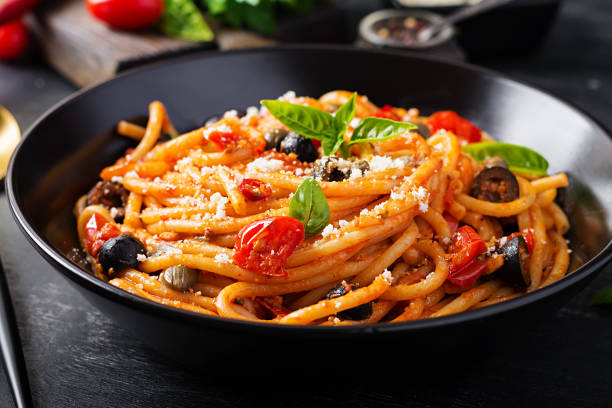
Minimalism in cooking is not about scarcity; it is about the amplification of core flavors. When preparing classic dishes like Tomato Basil Pasta, the quality of the raw ingredients—specifically the ripeness of the tomatoes and the freshness of the basil—becomes the primary driver of the final dish. By simplifying the ingredient list, you reduce the time spent on prep while maximizing the sensory profile of the meal.
- Temperature Control: Always ensure your water is at a rolling boil before adding pasta to maintain the ideal al dente texture.
- Emulsification: Use a small amount of starchy pasta water to bind your sauce to the noodles, creating a silky, restaurant-grade finish.

Fusion Techniques for Global Flavors
Culinary innovation often occurs at the intersection of cultures. By combining the structural integrity of Italian pasta with the bold, aromatic profiles of Mexican spices or Asian stir-fry techniques, home cooks can create unique dishes that are both comforting and exciting. This approach, often referred to as “cross-pollination cooking,” allows for a wider nutritional range in a single bowl.
Bridging Italian and Mexican Styles
One of the most effective fusion concepts is the Corn Tortilla Stuffed Shells. By incorporating the earthy notes of corn masa into traditional Italian pasta vessels, you create a complex textural experience. The key is in the layering process—using a creamy base that bridges the gap between the sharpness of Italian herbs and the heat of Mexican chili profiles.
| Technique | Primary Benefit | Ideal Dish Type |
|---|---|---|
| High-Heat Stir-Fry | Retains vegetable crunch | Asian Noodle Dishes |
| Slow-Cream Reduction | Depth of flavor | Sausage Cream Pasta |
| Baked Fusion | Texture contrast | Stuffed Shells |

Health-Conscious Takeaway Alternatives
The “Takeaway Terminator” mindset is about reclaiming your health without sacrificing convenience. Many takeout dishes are laden with hidden sugars and excessive sodium. By preparing a Low-Calorie Chicken Fried Noodle dish at home, you can control the oil intake and increase the fiber content through fresh, seasonal vegetables.
Operational Steps for the Perfect Stir-Fry
To replicate the smoky “wok hei” flavor without a professional wok burner, prioritize the sequence of your additions. Proteins must be seared first, removed, and then re-introduced at the final stage to ensure they remain succulent rather than rubbery. The sauce should be prepared separately and added during the final 30 seconds of cooking to prevent the noodles from becoming soggy.

Optimizing Kitchen Efficiency
Efficiency in the kitchen is not just about speed; it is about organization. To consistently produce 15-minute meals, your workspace must be organized according to the flow of the recipe. Keep your knives, cutting boards, and high-heat oils within reach to eliminate unnecessary movement during the cooking process.
Advanced Flavor Balancing
When working with cream-based sauces, such as an Italian Sausage Cream Pasta, the secret to achieving “plumpness and lightness” is the balance of acidity. A squeeze of fresh lemon juice or a dash of white wine can cut through the richness of the cream, preventing the dish from feeling heavy on the palate.
Frequently Asked Questions (FAQ)
- Q1: How can I make my pasta dishes taste like restaurant quality?
- The secret is the “pasta water trick.” Always reserve a cup of the starchy water used to boil the pasta and add a splash to your sauce. This creates an emulsion that helps the sauce cling to the noodles perfectly.
- Q2: Is it possible to make a healthy stir-fry without a wok?
- Absolutely. Use a wide, heavy-bottomed skillet over the highest heat setting your stove allows. Do not overcrowd the pan, as this causes the ingredients to steam rather than sear.
- Q3: How do I prevent cream sauces from breaking or separating?
- Always add your cream at the very end of the cooking process over low heat. Avoid boiling the sauce aggressively once the cream has been incorporated to maintain a smooth, velvety texture.
- Q4: Can I prep these 15-minute meals in advance?
- You can perform “partial prep” by chopping vegetables and storing them in airtight containers. However, for stir-fries and pasta, the final cooking phase should always be done immediately before serving to maintain optimal texture.