The Ultimate Guide to Quick & Healthy High-Protein Dinners: 30-Minute Recipes
The Weeknight Dinner Dilemma: Balancing Time and Nutrition
Modern professionals and busy families constantly face the evening dilemma of putting a nutritious, satisfying meal on the table without spending hours in the kitchen. The default often becomes processed takeout or repetitive, uninspired dishes that fail to deliver essential macronutrients. However, mastering a repertoire of high-protein, stress-free dinners can completely revolutionize your nutritional intake and evening routine. By understanding the culinary science behind quick-cooking proteins like chicken cutlets and salmon, you can easily bypass the pitfalls of dry, tough textures and bland flavor profiles.
The Importance of High-Quality Protein
Protein is the foundational building block for muscle repair, hormonal balance, and sustained satiety. Integrating high-quality sources such as poultry and wild-caught fish into your evening meal prevents late-night cravings and stabilizes blood sugar levels. The recipes explored in this comprehensive guide are meticulously designed to maximize protein synthesis while keeping carbohydrate counts strictly controlled, making them ideal for various dietary protocols including keto, paleo, and general clean eating.
- Metabolic Advantage: High-protein meals increase the thermic effect of food (TEF), meaning your body burns more calories during digestion compared to fats or carbohydrates.
- Satiety and Cravings: Adequate protein triggers the release of peptide YY, a gut hormone that significantly promotes the feeling of fullness.
- Muscle Preservation: For those on calorie-restricted diets, consuming sufficient protein during dinner ensures that weight loss comes from fat stores rather than lean muscle mass.
Understanding these physiological benefits is just the beginning. The true mastery lies in execution—transforming raw ingredients into culinary masterpieces in under 30 minutes.

Mastering the 15-Minute Herb Pan-Fried Chicken Cutlet
Chicken breasts are notorious for becoming dry, rubbery, and highly unappetizing when rushed on a weeknight. The secret to the ultimate dinner savior—the 15-minute herb pan-fried chicken cutlet—lies in the geometry of the meat and the thermodynamics of the pan. By altering the physical structure of the chicken breast, you drastically reduce the cooking time, thereby minimizing the window during which moisture can escape the muscle fibers. Say goodbye to tough textures and welcome a golden, herb-crusted exterior giving way to a remarkably juicy interior.
The Science of Pounding and Even Cooking
The primary reason whole chicken breasts cook unevenly is their irregular shape; the thickest part remains raw while the tapered end overcooks. Slicing the breast horizontally into cutlets and gently pounding them to a uniform quarter-inch thickness ensures that heat penetrates evenly and rapidly. This physical tenderization also breaks down tough muscle fibers, guaranteeing a melt-in-your-mouth texture.
- Temperature Control: Bring the chicken to room temperature for 10 minutes before cooking. Cold meat hitting a hot pan drops the surface temperature, leading to steaming rather than searing.
- The Maillard Reaction: Pat the cutlets completely dry with paper towels. Moisture is the enemy of a good crust. A dry surface allows the proteins and amino acids to brown beautifully at temperatures above 285°F (140°C).
- Herb Infusion: Create a rub using finely minced fresh rosemary, thyme, garlic powder, and a touch of smoked paprika. The essential oils in the herbs bloom instantly upon contact with the hot cooking fat, creating an aromatic crust.
Cooking these cutlets requires high heat and minimal time. Exactly 3 to 4 minutes per side in a heavy-bottomed skillet (preferably cast iron or stainless steel) coated with a high-smoke-point oil like avocado oil is all it takes to reach the safe internal temperature of 165°F (74°C) without sacrificing a single drop of internal juice.

The 30-Minute One-Pot Lemon and Garlic Roasted Salmon Revolution
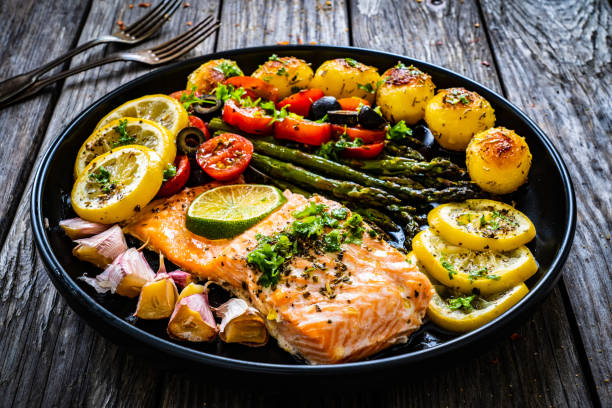
When stress levels are high and time is short, the one-pot lemon and garlic roasted salmon emerges as the undisputed champion of weeknight dinners. This method perfectly marries health and deliciousness, delivering a massive dose of Omega-3 fatty acids and lean protein with virtually zero cleanup. The beauty of roasting salmon lies in the gentle, enveloping heat of the oven, which drastically reduces the risk of overcooking compared to aggressive stovetop searing.
Building the Flavor Foundation
To achieve a restaurant-quality dish at home, you must layer flavors effectively. The combination of bright, acidic lemon and pungent, earthy garlic cuts through the natural richness of the salmon, creating a perfectly balanced bite. By roasting the fish on a bed of aromatic vegetables—such as asparagus or cherry tomatoes—you allow the savory juices from the salmon to baste the vegetables, creating a cohesive, self-saucing meal.
| Salmon Doneness | Internal Temperature | Visual Indicators |
|---|---|---|
| Medium-Rare | 120°F (49°C) | Translucent center, extremely moist, flakes gently. |
| Medium | 130°F (54°C) | Opaque throughout with a slightly darker pink center. |
| Well-Done | 145°F (63°C) | Fully opaque, firm to the touch, flakes easily. |
For the optimal texture, aim for a medium doneness. The residual heat will continue to cook the fish slightly after it is removed from the oven. Drizzle the fillets with high-quality olive oil, arrange thinly sliced lemons over the top to protect the flesh from direct heat, and roast at 400°F (200°C) for 12-15 minutes depending on the thickness of the cut.

Crafting Zero-Carb High-Protein Salmon and Vegetable Fritters
For individuals strictly monitoring their carbohydrate intake, finding a dinner that is both satiating and easy to prepare can be a daunting task. Enter the high-protein salmon and vegetable fritter—the ultimate meal preparation tool. These savory cakes completely eliminate the need for traditional carb-heavy binders like breadcrumbs or flour, utilizing the natural binding properties of eggs and finely grated vegetables to hold their shape while delivering a massive nutritional punch.
The Architecture of a Carb-Free Fritter
The structural integrity of a fritter usually relies on starches, but through smart culinary techniques, we can bypass them entirely. Using canned wild-caught salmon (bone-in for extra calcium) or leftover roasted salmon provides a flaky, protein-dense base. The key is to aggressively extract moisture from your chosen vegetables before mixing.
- Moisture Management: If using zucchini or spinach, grate them finely, salt them, and let them sit for 10 minutes. Then, squeeze them vigorously in a clean kitchen towel to remove all excess water. This prevents the fritters from falling apart in the pan.
- Protein Binders: Whisked eggs act as the primary glue. For an extra protein boost and structural support, a tablespoon of unflavored whey protein powder or almond flour can be introduced without disrupting the zero-carb goal.
- Flavor Enhancers: Fresh dill, minced green onions, capers, and a dash of Dijon mustard elevate the flavor profile from simple to spectacular, masking any overly “fishy” notes while highlighting the salmon’s natural richness.
Pan-fry these fritters in a generous layer of ghee or coconut oil over medium heat until a deeply browned, crispy crust forms on both sides. They are incredibly versatile, serving as a hot dinner option or a cold, grab-and-go lunch directly from the refrigerator.

Greek Chicken Lemon Soup: A Bowl of Mediterranean Sunshine
When the weather turns cold or the body craves deep, restorative comfort, nothing compares to authentic Greek Chicken Lemon Soup, traditionally known as Avgolemono. Drinking a bowl truly feels like being kissed by the sun. This soup is a masterclass in culinary alchemy, transforming simple ingredients—chicken broth, citrus, and eggs—into a velvety, luxurious emulsion that tastes incredibly rich but is surprisingly light and healthy.
The Art of the Avgolemono Technique
The defining characteristic of this soup is its creamy texture, achieved entirely without dairy. The magic happens through a delicate process called tempering. If you were to simply drop raw eggs into boiling broth, you would instantly create scrambled egg soup. Tempering prevents this catastrophic protein coagulation.
- Whisking the Base: In a separate bowl, vigorously whisk whole eggs (or egg yolks for extra richness) until frothy, then slowly stream in freshly squeezed lemon juice. The acid in the lemon begins to gently denature the egg proteins.
- Gradual Heating: Slowly ladle hot chicken broth into the egg-lemon mixture, whisking constantly. This gradually raises the temperature of the eggs without shocking them.
- The Final Emulsion: Once the egg mixture is warm, pour it back into the main soup pot off the heat. Stir continuously until the soup thickens into a silky, opaque broth that coats the back of a spoon.
Packed with shredded poached chicken breasts and a modest amount of orzo or cauliflower rice (for a low-carb variation), this soup is a powerhouse of immune-boosting vitamin C and lean protein, making it the ultimate healing dinner.

Essential Ingredients for a High-Protein Pantry
The true secret to executing 15-minute and 30-minute meals without stress is a meticulously stocked pantry. When you have the right foundational ingredients on hand, you never have to scramble for last-minute flavor enhancers or structural components. Building a high-protein, health-focused pantry requires strategic curation of fats, acids, and aromatics that can instantly elevate simple proteins like chicken and salmon.
Fats, Acids, and Flavor Bombs
Healthy fats are crucial not just for cooking at high temperatures, but for carrying fat-soluble vitamins and flavor compounds across the palate. Acids, on the other hand, brighten heavy dishes and tenderize meats.
- High-Smoke Point Oils: Avocado oil and clarified butter (ghee) are essential for hard-searing chicken cutlets and frying salmon fritters without generating toxic free radicals.
- Acidic Brighteners: Always keep fresh lemons, apple cider vinegar, and white wine vinegar. A splash of acid at the very end of cooking balances the richness of roasted salmon and is the core identity of Avgolemono soup.
- Umami Boosters: Capers, Dijon mustard, nutritional yeast, and coconut aminos add incredible depth of flavor to zero-carb meals without adding unnecessary sugars or empty calories.
By maintaining this arsenal, you ensure that every quick dinner you produce is layered with complex, restaurant-tier flavors, completely eliminating the boredom often associated with healthy eating.

The Science of Flavor: Herbs, Citrus, and Healthy Fats
Creating an exceptional pillar of weeknight dining requires an understanding of how flavor compounds interact at a molecular level. The recipes highlighted in this guide rely heavily on the trinity of herbs, citrus, and healthy fats. This combination isn’t just a culinary tradition; it is a scientifically proven method for maximizing both taste receptor engagement and nutrient absorption.
Maximizing Bioavailability
Many of the micronutrients found in the herbs and vegetables we use are fat-soluble. This means that without the presence of dietary fat—such as the Omega-3s in salmon or the olive oil drizzled over our chicken cutlets—our bodies cannot fully absorb vitamins A, D, E, and K.
Furthermore, the vitamin C provided by the heavy use of lemon in both the roasted salmon and the Greek soup significantly enhances the absorption of non-heme iron from any accompanying leafy greens. The volatile oils in fresh herbs like rosemary and dill are released only when bruised or exposed to heat, infusing the cooking fats with aromatic compounds that travel up the retro-nasal passage, profoundly enhancing the perceived flavor of the meal.

Meal Prep Strategies for Busy Professionals
Even a 15-minute recipe can feel overwhelming after an exhausting workday if absolutely no prep has been done. Strategic meal preparation does not mean you have to cook all your meals on Sunday and eat soggy leftovers by Thursday. Instead, it involves intelligent ingredient processing that drastically shortens active cooking times during the week.
Component Prepping Over Full Meal Prepping
Instead of cooking the entire meal in advance, prepare the components that take the most time or create the most mess. This ensures that when you do cook, the meal tastes fresh, but the labor is virtually eliminated.
- Protein Processing: Butterfly and pound your chicken breasts into cutlets on Sunday. Store them in an airtight container layered with parchment paper. They will be ready to drop straight into the hot pan on Tuesday evening.
- Vegetable Breakdown: Wash, dry, and chop your aromatics—onions, garlic, and herbs. Store them in slightly damp paper towels inside sealed bags to maintain crispness.
- Fritter Batter: The zero-carb salmon fritter mixture can be completely assembled and kept in the refrigerator for up to 48 hours. The resting time actually helps the ingredients bind together more effectively.
By adopting component prepping, you maintain the superior texture of freshly cooked food—crucial for crispy chicken cutlets and perfectly flaking salmon—while operating with the efficiency of a commercial kitchen.

Troubleshooting Common Weeknight Cooking Disasters
Even with the best recipes and intentions, the chaotic nature of weeknight cooking can sometimes lead to culinary missteps. Knowing how to pivot and rescue a dish is what separates a novice cook from a confident home chef. Whether it’s overcooked fish or a broken soup emulsion, there is almost always a scientific fix to salvage your high-protein dinner.
Rescuing Proteins and Emulsions
The most common disaster with lean proteins like chicken breasts and salmon fillets is overcooking, resulting in a chalky, dry texture. If you accidentally leave your salmon in the oven too long or over-sear your chicken cutlets, do not panic.
To rescue dry protein, you must reintroduce moisture and fat. Shred the overcooked chicken or flake the salmon and fold it into a rapid pan sauce made from chicken broth, a squeeze of lemon, and a tablespoon of cold butter vigorously whisked in off the heat. The fat will coat the dry fibers, masking the overcooked texture.
If your Greek Chicken Lemon Soup breaks—meaning the egg proteins curdle and separate from the broth because it was boiled after tempering—you cannot un-cook the eggs. However, you can save the texture by using an immersion blender to blitz the broth until it re-emulsifies, transforming the curdled bits back into a smooth, velvety liquid before adding your shredded chicken back into the pot.

Conclusion: Transforming Your Dinner Routine
Reclaiming your evenings from the stress of complicated cooking does not require sacrificing your health or your palate. By mastering the rapid techniques of the 15-minute herb pan-fried chicken cutlet, embracing the hands-off elegance of one-pot roasted salmon, utilizing zero-carb salmon fritters for meal prep, and comforting your soul with authentic Greek lemon soup, you build a formidable culinary arsenal.
These recipes prove that high-protein, nutrient-dense eating can be executed flawlessly in under 30 minutes. The integration of culinary science—understanding heat transfer, moisture retention, and flavor balancing—empowers you to step into the kitchen with confidence. Say goodbye to dry, tough textures and uninspired weeknight meals, and welcome a new era of health, deliciousness, and ultimate dinner salvation.
Frequently Asked Questions (FAQ)
- How do I prevent my chicken cutlets from sticking to a stainless steel pan?
- The key to preventing sticking is proper temperature control. Heat your dry stainless steel pan first until a drop of water forms a cohesive, dancing bead (the Leidenfrost effect). Only then should you add your high-smoke-point oil, followed immediately by the dry, room-temperature chicken cutlets. Do not attempt to move the chicken until it releases naturally, which indicates a proper crust has formed.
- Can I use frozen salmon for the one-pot roasted salmon recipe?
- While fresh is optimal for texture, you can absolutely use frozen salmon. However, it must be completely thawed and patted aggressively dry before roasting. If you roast salmon from a frozen state, it will release excess water, steaming the fish and preventing the garlic and lemon oils from adhering to the flesh, resulting in a mushy texture.
- What is the best way to reheat zero-carb salmon fritters without them getting soggy?
- Never use a microwave to reheat fritters, as the steam will destroy the crispy exterior. The optimal method is to place them in an air fryer at 350°F (175°C) for 3-5 minutes, or reheat them in a dry skillet over medium heat for 2 minutes per side. This reactivates the fats and restores the original crunch.
- Why did my Greek Chicken Lemon Soup (Avgolemono) turn out too thin?
- A thin Avgolemono usually results from an insufficient egg-to-broth ratio or inadequate whisking during the tempering process. To thicken it, ensure you are using at least 2 large eggs (or 3 egg yolks for extra richness) per 4 cups of broth. Whisking the eggs until highly frothy before adding the lemon juice incorporates air and builds the structure needed for a velvety finish.
- Can I substitute the chicken in the pan-fried cutlet recipe with turkey or pork?
- Yes, the technique of pounding meat into uniform quarter-inch cutlets works universally for lean proteins including turkey breast and pork loin. Because these meats are also extremely lean, the rapid, high-heat pan-frying method (3-4 minutes per side) is perfectly suited to ensure they remain juicy and tender while developing a robust herb crust.
- 0
- By finet52
- April 17, 2026 12:22 PM