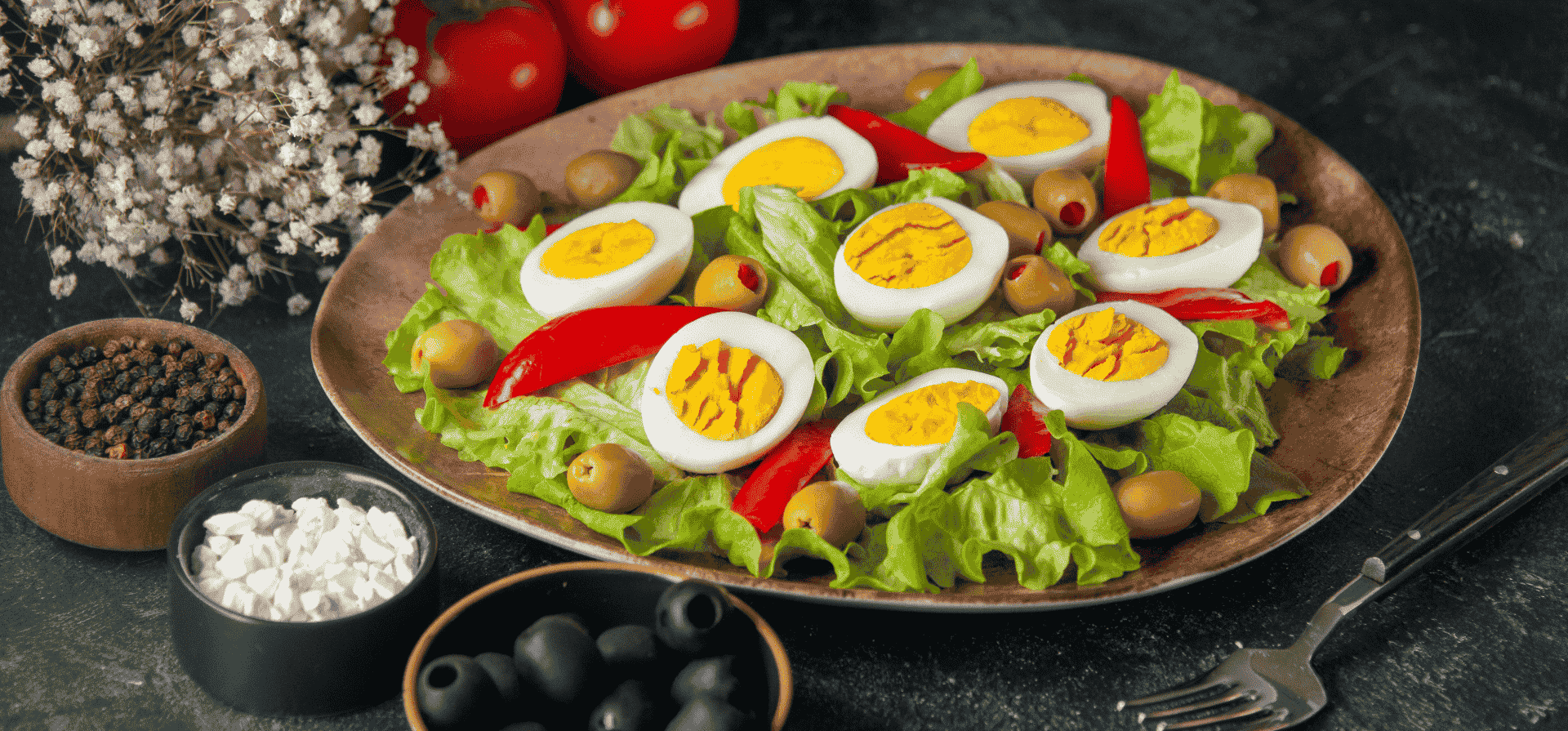

The Ultimate Guide to Delicious & Healthy Breakfasts
Breakfast is often hailed as the most important meal of the day, and for good reason. It kickstarts your metabolism, provides essential energy, and sets the tone for your physical and mental performance throughout the day. Beyond its functional benefits, breakfast offers an incredible opportunity for culinary exploration, ranging from quick and simple fare to elaborate brunch masterpieces. This comprehensive guide will take you through a diverse array of breakfast options, with a particular focus on the versatile and nutritious egg, alongside other savory delights and essential preparation techniques to elevate your morning meal experience.
The Versatility of Eggs in Breakfast
Eggs are a cornerstone of breakfast cuisine worldwide, celebrated for their exceptional nutritional profile, affordability, and incredible adaptability. Packed with high-quality protein, essential vitamins (like B12, D, and A), and minerals, eggs provide sustained energy and satiety. Their culinary versatility is unmatched, allowing them to be transformed into countless dishes, each offering a unique texture and flavor experience. From fluffy omelets to rich deviled eggs and hearty sandwiches, understanding the nuances of egg preparation is key to unlocking a world of delicious breakfast possibilities.
Classic Deviled Eggs: Beyond the Appetizer
While often associated with picnics and holiday gatherings, deviled eggs can make a surprisingly elegant and satisfying breakfast or brunch item. They offer a creamy, tangy, and protein-rich start to the day, especially when paired with fresh greens or a slice of whole-grain toast. The art of a perfect deviled egg lies in the flawless hard-boiling of the eggs, followed by the careful crafting of a flavorful, smooth yolk filling.
- Perfect Hard-Boiling: Start eggs in cold water, bring to a rolling boil, then remove from heat and let sit for 10-12 minutes. Immediately transfer to an ice bath to stop cooking and prevent a green ring around the yolk. This ensures easy peeling and a vibrant yellow yolk.
- Creamy Filling Components: The traditional filling typically includes mashed egg yolks, mayonnaise, Dijon mustard, and a touch of vinegar or pickle juice for tang. For a richer flavor, consider using full-fat mayonnaise and a good quality mustard.
- Flavor Enhancements:
- Smoky Bacon: Crumbled crispy bacon adds a delightful smoky and salty crunch.
- Spicy Sriracha: A dash of sriracha or hot sauce introduces a welcome kick.
- Fresh Herbs: Finely chopped chives, dill, or parsley brighten the flavor.
- Paprika Dusting: A sprinkle of smoked paprika not only adds color but also depth of flavor.
- Operational Steps:
- Carefully peel cooled hard-boiled eggs and slice them lengthwise.
- Gently scoop out the yolks into a small bowl.
- Mash the yolks thoroughly with a fork until smooth.
- Add mayonnaise, mustard, vinegar, salt, and pepper to taste. Mix until creamy and well combined.
- Spoon or pipe the filling back into the egg white halves.
- Garnish as desired and serve chilled.
Mastering the Art of the Omelet
The omelet stands as a testament to the simplicity and elegance of egg cookery. A perfectly cooked omelet is light, fluffy, and tender, encasing a variety of fillings. The key to success lies in proper heat control, swift technique, and quality ingredients. Omelets are incredibly versatile, allowing for endless customization to suit any palate or dietary preference.
Vegetable Omelette: A Nutritious Start
A vegetable omelette is a vibrant and healthy way to incorporate essential nutrients into your morning. It’s an excellent canvas for using up leftover vegetables and provides a good source of fiber alongside protein.
- Optimal Vegetable Choices: Bell peppers (red, green, yellow), onions, spinach, mushrooms, cherry tomatoes, and zucchini are popular choices. Ensure vegetables are finely diced or thinly sliced for even cooking.
- Preparation Strategy: Sauté harder vegetables like onions and bell peppers first until tender-crisp. Leafy greens like spinach should be added last, just until wilted, to prevent overcooking and retain their nutrients.
- Flavor Pairing: Consider adding a pinch of dried herbs like oregano or thyme, or fresh herbs like parsley or chives, to complement the vegetables. A sprinkle of cheese, such as cheddar or feta, can also elevate the flavor profile.
Mushroom Omelet: Earthy Flavors
For those who appreciate umami and earthy notes, a mushroom omelet is a sophisticated choice. Sautéed mushrooms bring a rich depth of flavor that pairs beautifully with the delicate texture of eggs.
- Mushroom Varieties: Cremini (baby bellas) and button mushrooms are classic choices. For a more gourmet touch, consider shiitake or oyster mushrooms.
- Sautéing Technique: Slice mushrooms thinly and sauté them in butter or olive oil over medium-high heat until they release their moisture and turn golden brown. This develops their flavor and prevents a watery omelet.
- Herb Accents: Thyme, rosemary, and chives are excellent herbal companions for mushrooms, enhancing their natural earthiness.
Omelette Tortillas: A Fusion Delight
Omelette tortillas, sometimes referred to as breakfast tacos or burritos, offer a delightful fusion of American breakfast and Mexican culinary traditions. They are hearty, portable, and incredibly customizable, making them perfect for busy mornings or on-the-go meals.
- Egg Preparation: Scrambled eggs are typically used for omelette tortillas, cooked until just set but still moist.
- Tortilla Choice: Corn or flour tortillas can be used, warmed slightly to make them pliable.
- Filling Combinations: Beyond eggs, popular fillings include black beans, salsa, avocado, shredded cheese, cooked breakfast meats (sausage, bacon), and sautéed vegetables like onions and peppers.
- Assembly Tips: Lay out a warm tortilla, spoon in the egg and desired fillings, then fold or roll tightly. A quick press on a griddle can help seal them.
Savory Egg Sandwiches: Quick & Satisfying
The ham and egg sandwich is a timeless breakfast classic, offering a perfect balance of protein, carbohydrates, and savory flavors. It’s a testament to how simple ingredients can combine to create something truly satisfying and energizing. This versatile dish can be customized endlessly, adapting to various preferences and dietary needs.
- Bread Selection: While classic white bread is common, consider upgrading to whole-wheat, sourdough, or a brioche bun for added flavor and texture. Toasting the bread is crucial for preventing sogginess and adding a pleasant crunch.
- Egg Styles: Fried eggs (sunny-side up, over-easy, or over-hard) are popular, but scrambled eggs or even a thin omelet can also be used. Ensure the egg is cooked to your preferred doneness, with a runny yolk adding a rich sauce-like quality.
- Ham Varieties: Deli ham, thinly sliced, is convenient. For a gourmet touch, consider pan-fried Black Forest ham or a slice of Canadian bacon.
- Cheese Integration: A slice of cheese (cheddar, American, Swiss, provolone) melted onto the hot egg or ham adds creaminess and depth.
- Condiments and Add-ins:
- Classic: Ketchup, hot sauce, mayonnaise, or a spread of mustard.
- Freshness: Sliced tomato, lettuce, or avocado can add a refreshing element.
- Spice: Pickled jalapeños or a sprinkle of red pepper flakes for a kick.
- Assembly Instructions:
- Toast your chosen bread slices until golden brown.
- Cook the egg(s) to your desired style. If using cheese, place it on the hot egg to melt.
- Lightly warm the ham in a pan if desired.
- Assemble the sandwich: spread condiments on toast, layer with ham, egg (and melted cheese), and any additional fresh ingredients.
- Serve immediately for the best experience.

Beyond Eggs: Exploring Other Savory Breakfasts
While eggs dominate the breakfast landscape, there’s a vast world of savory options that offer exciting alternatives and complements. Diversifying your breakfast repertoire not only keeps things interesting but also ensures a broader spectrum of nutrients. From unique Asian-inspired dishes to hearty American classics, these options prove that breakfast can be an adventure.
Delectable Shrimp Toast Rolls: A Unique Brunch Treat
Shrimp toast rolls, a delightful derivation of classic shrimp toast, offer a sophisticated and flavorful option for brunch or a special breakfast. They combine the succulent taste of shrimp with a crispy texture, often enhanced with aromatic seasonings. While not a daily breakfast item for many, they provide an excellent opportunity to expand your culinary horizons and impress guests.
- Core Components:
- Shrimp Paste: Finely minced or pureed shrimp forms the base, often mixed with ginger, garlic, green onions, and a touch of sesame oil and soy sauce for umami.
- Bread: White bread, crusts removed, is traditionally used, often flattened or rolled out to create a compact base for rolling.
- Cooking Method: Deep-frying yields the classic crispy texture, though baking or air-frying can be healthier alternatives, albeit with a slightly different crispness.
- Preparation Steps:
- Prepare the shrimp paste by blending or finely mincing raw shrimp with aromatics and seasonings.
- Spread a thin, even layer of shrimp paste onto one side of each bread slice.
- Carefully roll up the bread from one end to the other, creating a tight roll.
- Secure with a toothpick if necessary.
- Deep-fry in hot oil until golden brown and cooked through, or bake/air-fry until crispy.
- Drain on paper towels and serve warm, often with a sweet chili dipping sauce or a soy-ginger vinaigrette.
- Flavor Profiles: The combination of savory shrimp, aromatic ginger and garlic, and the crispy texture creates a satisfying and complex flavor. The dipping sauce is crucial for adding a contrasting sweet, sour, or spicy element.
Creative Breakfast Pairings and Sides
The perfect breakfast often involves more than just a single dish; it’s about creating a balanced and harmonious plate. Pairing your main breakfast item with thoughtfully chosen sides can enhance flavor, add nutritional value, and make the meal more satisfying.
- Fresh Fruit and Yogurt: A simple bowl of Greek yogurt topped with fresh berries, sliced banana, or melon provides probiotics, vitamins, and natural sweetness, offering a refreshing contrast to savory dishes.
- Whole-Grain Toast or English Muffins: Excellent for soaking up runny egg yolks or serving as a base for avocado toast, providing complex carbohydrates.
- Roasted Potatoes or Hash Browns: Crispy potatoes add a comforting, starchy element. Season with paprika, garlic powder, and herbs for extra flavor.
- Green Salad with Light Vinaigrette: For a lighter, more refreshing side, especially with richer dishes like shrimp toast, a small side salad can cut through the richness and add freshness.
- Breakfast Meats: Crispy bacon, savory sausage patties, or lean turkey bacon are classic additions that boost protein and flavor.

Essential Tips for Perfect Breakfast Preparation
Crafting the perfect breakfast, whether a simple weekday meal or an elaborate weekend brunch, involves more than just following a recipe. It requires attention to detail in ingredient selection, mastery of fundamental cooking techniques, and smart planning. By adopting these essential tips, you can elevate your breakfast game, ensuring consistently delicious and satisfying results.
Ingredient Selection and Freshness
The quality of your ingredients directly impacts the flavor and nutritional value of your breakfast. Prioritizing freshness and understanding ingredient characteristics are paramount.
- Eggs: Always opt for fresh eggs. Check the expiration date. Fresher eggs generally have firmer whites and yolks, which hold up better in various preparations. Free-range or organic eggs often boast richer yolks and superior flavor.
- Produce: Select firm, brightly colored vegetables and fruits without blemishes. Seasonal produce is typically more flavorful and nutrient-dense. Wash all produce thoroughly before use.
- Dairy and Spreads: Choose high-quality butter, milk, and cheese. Full-fat options often provide a richer flavor and creamier texture, though lower-fat alternatives are available for dietary considerations. Fresh herbs should be vibrant and fragrant.
- Breads and Grains: Opt for whole-grain breads, tortillas, or oats for added fiber and sustained energy release. Check ingredients to avoid excessive sugars or artificial additives.
- Meats: When choosing breakfast meats like ham or bacon, look for varieties with fewer additives and lower sodium content. Leaner options like turkey bacon can be a healthier alternative.
Cooking Techniques for Eggs
Eggs, despite their apparent simplicity, require precise techniques to achieve desired results. Mastering these fundamental methods will ensure your egg dishes are always perfect.
- Temperature Control: Most egg dishes benefit from medium-low to medium heat. High heat can lead to rubbery whites and dry yolks. Gentle, consistent heat promotes even cooking and a tender texture.
- Whisking: For omelets and scrambled eggs, whisking thoroughly before cooking incorporates air, resulting in a lighter, fluffier texture. Add a splash of milk or cream for extra richness and tenderness.
- Non-Stick Pans: A good quality non-stick pan is essential for cooking eggs without them sticking, especially for omelets and fried eggs. Use a small amount of butter or oil for flavor and to prevent sticking.
- Seasoning: Season eggs generously with salt and freshly ground black pepper. Add seasonings towards the end of cooking for scrambled eggs and omelets to prevent salt from breaking down the egg proteins too early, which can make them watery.
- Hard-Boiling Perfection: As mentioned for deviled eggs, the cold-water start, precise timing, and immediate ice bath are critical for easily peelable eggs with perfectly cooked yolks.
Meal Prep Strategies for Busy Mornings
For those with hectic schedules, breakfast often becomes an afterthought. Strategic meal preparation can transform your mornings, ensuring you have nutritious and delicious options ready to go.
- Overnight Oats: Prepare jars of rolled oats, milk (dairy or non-dairy), chia seeds, and your favorite fruit or nuts the night before. They’re ready to eat straight from the fridge.
- Boiled Eggs in Bulk: Hard-boil a batch of eggs at the beginning of the week. They can be stored in the refrigerator for up to 7 days and used for quick snacks, deviled eggs, or sliced into salads and sandwiches.
- Pre-Chopped Vegetables: Dice and chop vegetables for omelets, scrambles, or breakfast burritos ahead of time. Store them in airtight containers in the fridge.
- Breakfast Burrito Freezing: Assemble breakfast burritos (like omelette tortillas) with cooked eggs, beans, cheese, and vegetables. Wrap them individually in foil or parchment paper, then freeze. Reheat in the microwave or oven for a quick meal.
- Muffin Tin Egg Bites: Whisk eggs with your favorite fillings (cheese, vegetables, cooked meat) and bake in a muffin tin. These portable, protein-packed bites can be stored in the fridge for several days and reheated.

Nutritional Benefits of a Balanced Breakfast
A well-balanced breakfast provides a powerful start to your day, offering a wealth of nutritional benefits that impact everything from energy levels and cognitive function to weight management and overall health. Skipping breakfast can lead to dips in blood sugar, cravings for unhealthy snacks, and reduced concentration. Conversely, a thoughtful breakfast fuels your body and mind, setting a positive trajectory for the hours ahead.
Protein Power: Sustaining Energy Levels
Protein is a cornerstone of a truly effective breakfast. It’s crucial for muscle repair and growth, and more importantly for breakfast, it promotes satiety and provides sustained energy. Unlike carbohydrates, which can cause rapid blood sugar spikes and subsequent crashes, protein is digested more slowly, leading to a gradual and steady release of glucose into the bloodstream.
- Key Benefits:
- Sustained Energy: Prevents mid-morning energy slumps and keeps you feeling full longer.
- Muscle Health: Provides amino acids essential for muscle maintenance and recovery.
- Hormonal Regulation: Influences hormones that control appetite, helping to reduce cravings.
- Excellent Protein Sources for Breakfast:
- Eggs: Approximately 6 grams of high-quality protein per large egg.
- Greek Yogurt: Rich in protein, often double that of regular yogurt.
- Lean Meats: Ham, turkey bacon, or sausage (in moderation).
- Legumes: Black beans or lentils in breakfast burritos or scrambles.
- Nuts and Seeds: Almonds, walnuts, chia seeds, and flaxseeds add protein and healthy fats.
Vitamins and Minerals: Fueling Your Day
A diverse breakfast should be a powerhouse of essential vitamins and minerals, which are vital for countless bodily functions, including metabolism, immune support, and cognitive health. Incorporating a variety of food groups ensures you’re getting a broad spectrum of these micronutrients.
- Crucial Micronutrients & Their Sources:
- Vitamin D: Found in fortified milk, orange juice, and egg yolks, important for bone health and immune function.
- B Vitamins (especially B12): Abundant in eggs, meat, and fortified cereals, critical for energy production and neurological health.
- Vitamin C: Found in citrus fruits, berries, and bell peppers, a powerful antioxidant and immune booster.
- Iron: Present in fortified cereals, spinach, and some meats, essential for oxygen transport.
- Calcium: Dairy products like milk and cheese, and fortified plant-based alternatives, vital for bone density.
- Potassium: Bananas, potatoes, and spinach are good sources, important for fluid balance and nerve function.
- Strategic Inclusion: Pair eggs with a side of fruit, add spinach to an omelet, or choose whole-grain fortified cereals to maximize vitamin and mineral intake.
Fiber-Rich Options for Digestive Health
Dietary fiber is an often-overlooked but incredibly important component of a healthy breakfast. It plays a critical role in digestive health, helps regulate blood sugar, and contributes to feelings of fullness, aiding in weight management.
- Benefits of Fiber:
- Digestive Regularity: Adds bulk to stool, preventing constipation.
- Blood Sugar Control: Slows down the absorption of sugar, preventing spikes.
- Cholesterol Reduction: Soluble fiber can help lower LDL (“bad”) cholesterol.
- Satiety: Helps you feel full and satisfied, reducing overall calorie intake.
- Excellent Fiber Sources for Breakfast:
- Whole Grains: Oatmeal, whole-wheat bread, whole-grain tortillas.
- Fruits: Berries, apples, pears, bananas (especially with skin).
- Vegetables: Spinach, bell peppers, broccoli, mushrooms, all contribute fiber.
- Legumes: Black beans in breakfast burritos.
- Seeds: Chia seeds, flaxseeds, and hemp seeds are fiber powerhouses.
- Incorporation Strategy: Start your day with a bowl of oatmeal, add a variety of vegetables to your omelet, or opt for a whole-grain sandwich bread to significantly boost your fiber intake.
Embracing a balanced breakfast is a fundamental step towards a healthier, more energetic lifestyle. By thoughtfully combining protein, vitamins, minerals, and fiber, you provide your body with the essential tools it needs to thrive throughout the day.
Frequently Asked Questions (FAQ)
- Q1: How can I make my breakfast more nutritious without adding much time to my morning routine?
- Focus on meal prepping. Hard-boil eggs in advance, chop vegetables for omelets or scrambles on a Sunday, or prepare overnight oats. Utilizing quick protein sources like Greek yogurt, cottage cheese, or pre-cooked lean meats can also save time. Smoothies with fruit, spinach, and protein powder are another fast and nutrient-dense option.
- Q2: What’s the best way to store leftover breakfast items like omelets or breakfast sandwiches?
- Allow cooked items to cool completely before storing. Wrap individual portions tightly in plastic wrap or aluminum foil, then place them in an airtight container. Most cooked egg dishes and sandwiches will last 2-3 days in the refrigerator. For longer storage, many breakfast burritos or egg bites can be frozen for up to a month and reheated.
- Q3: Are deviled eggs really a healthy breakfast option?
- Yes, deviled eggs can be a very healthy breakfast option. Eggs are packed with protein, vitamins, and minerals. The key is in the preparation of the filling. Using a moderate amount of mayonnaise or opting for healthier alternatives like Greek yogurt or avocado in the yolk mixture can reduce fat content while maintaining creaminess. Adding fresh herbs also boosts nutrients and flavor.
- Q4: How can I prevent my omelets from sticking to the pan?
- Several factors contribute to a non-stick omelet:
- Good Non-Stick Pan: Invest in a quality non-stick skillet that is well-maintained.
- Proper Heat: Cook over medium-low to medium heat. Too high heat can cause sticking.
- Fat: Use a small amount of butter or oil and ensure it coats the entire cooking surface.
- Egg Preparation: Whisk eggs thoroughly with a splash of milk or water for a lighter consistency.
- Don’t Overcrowd: Cook one omelet at a time to maintain pan temperature.
- Q5: What are some creative ways to incorporate more vegetables into my breakfast?
- Beyond omelets, consider adding vegetables to scrambled eggs, breakfast burritos, or even breakfast hashes. Sautéed spinach, diced bell peppers, onions, mushrooms, or even leftover roasted vegetables can be easily mixed in. For a less traditional approach, blend spinach into fruit smoothies or top whole-grain toast with avocado and sliced tomatoes.