Light Cream French Toast: The Ultimate Guide to Fluffy, Creamy Perfection
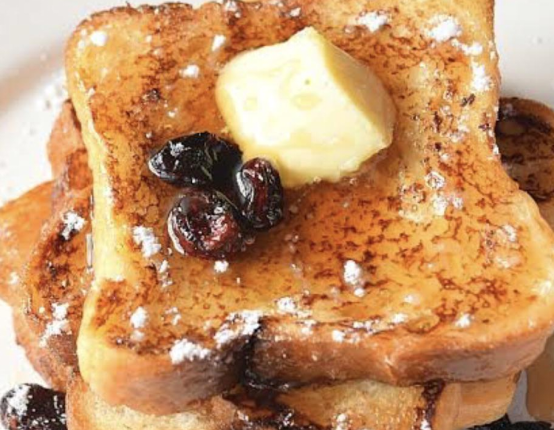
Light Cream French Toast stands as a testament to simple ingredients elevated to culinary art. Far from being just a breakfast staple, it’s a dish that evokes comfort, warmth, and indulgence, perfect for a leisurely weekend brunch or a special morning treat. Unlike its richer counterparts made with heavy cream or milk, French toast prepared with light cream strikes a delicate balance, offering an ethereal fluffiness and a creamy interior without feeling overly heavy. This guide will take you on a journey to master this exquisite dish, transforming a seemingly straightforward recipe into an ultimate culinary experience.
We’ll delve into the foundational principles, explore the science behind achieving that coveted fluffy texture, and provide you with a meticulous, step-by-step approach. From selecting the perfect bread to understanding the nuances of the custard soak and achieving that golden-brown crust, every detail is covered. Prepare to unlock the secrets that elevate your French toast from good to unforgettable, making every bite a celebration of creamy, fluffy perfection.
What Makes Light Cream French Toast Special?
The magic of Light Cream French Toast lies in its ability to deliver a luxurious texture and rich flavor profile without the excessive richness often associated with heavy cream. This particular choice of dairy is a game-changer, influencing both the mouthfeel and the overall digestibility of the dish, setting it apart from other variations.
The Science Behind the Creamy Texture
At its heart, French toast is a delicate balance of bread, eggs, and dairy. When light cream is introduced, it brings a moderate fat content that is crucial for achieving the desired creamy consistency. The fat in the cream helps to emulsify the egg mixture, creating a smoother, more cohesive custard. As the bread soaks, this emulsified mixture penetrates deeply into its pores. During cooking, the proteins in the eggs coagulate, setting the creamy liquid within the bread’s structure, while the fats contribute to a tender, melt-in-your-mouth texture. The ‘light’ aspect ensures that this richness is not overwhelming, allowing the subtle sweetness and eggy notes to shine through, resulting in a French toast that is both indulgent and surprisingly delicate.
A Brief History of French Toast
While commonly associated with France, the origins of French toast actually trace back much further. Roman cookbooks from the 4th century AD contain recipes for a dish called “Pan Dulcis,” which involved soaking bread in milk and egg, then frying it. This early form was a practical way to utilize stale bread, preventing waste and transforming it into a palatable meal. Over centuries, variations of this dish appeared across Europe, known by different names such as “poor knight’s pudding” in medieval England, reflecting its humble beginnings. The term “French toast” itself is thought to have originated in America, where a man named Joseph French supposedly forgot to add the apostrophe in his restaurant’s advertisement, and the name stuck. Regardless of its exact lineage, French toast has evolved into a beloved breakfast item worldwide, constantly adapted with different breads, spices, and dairy choices to suit regional tastes and preferences.

Essential Ingredients for Light Cream French Toast
Crafting the perfect Light Cream French Toast begins with understanding and selecting the right ingredients. Each component plays a vital role in achieving the desired texture, flavor, and overall excellence of the dish. Paying attention to these details will elevate your French toast from good to truly exceptional.
Choosing the Perfect Bread
The bread is arguably the most crucial ingredient. While almost any bread can be used, certain types yield superior results for French toast. Stale bread is often preferred because it’s drier and absorbs the custard mixture more efficiently without becoming soggy. Ideal choices include:
- Brioche: Rich, buttery, and slightly sweet, brioche creates an incredibly decadent French toast. Its tender crumb soaks up the custard beautifully.
- Challah: Similar to brioche but typically less buttery, challah has a dense, slightly chewy texture that holds up well to soaking and frying.
- Texas Toast: Thick-cut white bread, often found pre-sliced. Its thickness is perfect for a substantial, fluffy interior.
- Sourdough: For a tangier profile, sourdough can be a delightful choice, offering a nice contrast to the sweet custard.
Aim for slices that are at least 3/4 to 1 inch thick to ensure a good custard-to-bread ratio and prevent them from falling apart.
The Role of Eggs and Light Cream
The custard mixture is the heart of French toast. Eggs provide structure and richness, while light cream adds moisture, tenderness, and a delicate creaminess. Light cream (typically 18-30% milk fat) is ideal because it offers enough fat for a luxurious mouthfeel without making the French toast greasy or overly heavy. It also helps in browning and contributes to a beautiful golden crust. The ratio of eggs to cream is critical: too many eggs can make it rubbery, too much cream can make it too liquidy and prone to sogginess. A balanced ratio ensures a silky custard that perfectly coats and penetrates the bread.
Sweeteners and Flavor Enhancers
While the bread and custard are the foundation, sweeteners and flavor enhancers provide the signature taste. Common additions include:
- Sugar: Granulated sugar, brown sugar, or maple syrup can be incorporated directly into the custard for sweetness.
- Vanilla Extract: A classic flavor enhancer that adds warmth and depth.
- Cinnamon or Nutmeg: These spices lend a comforting, aromatic quality that is synonymous with French toast.
- Pinch of Salt: Often overlooked, a small amount of salt balances the sweetness and enhances all the other flavors.
Experiment with these to find your preferred flavor profile, but remember that a little goes a long way in creating a harmonious blend of tastes.

Step-by-Step Guide to Fluffy Light Cream French Toast
Follow this detailed procedure to ensure every slice of your Light Cream French Toast is perfectly fluffy, creamy, and golden-brown. Precision in each step is key to achieving consistent, delicious results.
Preparing the Custard Soak
The custard is the soul of your French toast. A well-mixed custard ensures even flavor and texture.
- Gather Ingredients: In a shallow dish (large enough to fit a slice of bread), whisk together 2 large eggs, 1/2 cup light cream, 1 tablespoon granulated sugar (or maple syrup), 1/2 teaspoon vanilla extract, and a pinch of cinnamon and salt.
- Whisk Thoroughly: Whisk until the mixture is completely smooth and no streaks of egg white remain. This ensures uniform absorption and prevents rubbery patches in the cooked toast.
- Optional Strain: For an extra silky custard, you can strain the mixture through a fine-mesh sieve to remove any chalazae (the white stringy bits in egg whites) or unincorporated egg. This is a chef’s secret for ultra-smooth results.
Soaking the Bread Perfectly
The soaking process is where the magic happens, transforming plain bread into a creamy delight. This step requires attention to timing.
- Preheat Skillet: While the bread soaks, heat a non-stick skillet or griddle over medium heat. Add a knob of butter or a drizzle of oil. The pan should be hot enough that a drop of water sizzles, but not smoking.
- Submerge Bread: Place a slice of bread into the custard mixture, allowing it to soak for about 15-30 seconds per side. The exact time depends on the bread’s thickness and staleness. Thicker, staler bread will need longer.
- Avoid Oversaturation: The goal is for the bread to be fully saturated but not waterlogged. It should feel heavy and soft, but not completely falling apart. Lift the bread gently, allowing any excess custard to drip off before transferring it to the hot skillet.
Cooking for Golden Perfection
Cooking is where the flavors develop and the texture sets. Patience and proper heat management are crucial.
- Place in Skillet: Carefully place the soaked bread slices onto the preheated skillet. Do not overcrowd the pan; cook in batches if necessary to ensure even browning.
- Cook Until Golden: Cook for 2-4 minutes per side, or until each side is beautifully golden-brown and the center is cooked through and fluffy. The exact time will vary based on your stove and pan.
- Check Doneness: Gently press the center of the French toast; it should feel slightly firm, not liquidy. If it’s browning too quickly, reduce the heat. If it’s not browning, slightly increase the heat.
- Keep Warm: As batches are cooked, transfer them to a wire rack set over a baking sheet in a warm oven (around 200°F / 95°C) to keep them warm while you finish the rest.
Common Pitfalls and How to Avoid Them
Even seasoned cooks can encounter issues. Here’s how to troubleshoot common French toast problems:
- Soggy French Toast:
- Cause: Bread is too fresh, too thin, or soaked for too long.
- Solution: Use slightly stale, thick-cut bread. Reduce soaking time. Ensure your pan is hot enough to cook quickly.
- Rubbery French Toast:
- Cause: Too many eggs in the custard, or cooked at too high a temperature.
- Solution: Adjust egg-to-cream ratio. Cook over medium heat, not high, to allow the custard to set gently.
- Burned Exterior, Raw Interior:
- Cause: Pan is too hot.
- Solution: Maintain a consistent medium heat. French toast needs time to cook through to the center without charring the outside.
- Lack of Flavor:
- Cause: Not enough vanilla, cinnamon, or sugar in the custard.
- Solution: Don’t skimp on flavor enhancers. A pinch of salt also helps balance and amplify sweetness.

Expert Advice & Pro Tips for French Toast Mastery
Beyond the basic steps, these professional insights will help you consistently create French toast that rivals your favorite brunch spot.
Achieving the Ideal Crisp-to-Custard Ratio
The perfect French toast boasts a slightly crisp, golden exterior that gives way to a soft, custardy interior. This balance is achieved through several factors:
- Pan Temperature: A consistent medium heat is crucial. Too low, and the toast will absorb too much fat and become greasy; too high, and it will burn before the interior cooks.
- Fat for Cooking: Use a combination of butter and a neutral oil (like canola or grapeseed). Butter provides flavor and helps with browning, while oil raises the smoke point, preventing the butter from burning quickly.
- Don’t Overcrowd: Give each slice space in the pan. Overcrowding lowers the pan temperature and steams the French toast instead of frying it, resulting in a less crisp exterior.
Creative Serving Suggestions and Toppings
While a dusting of powdered sugar and a drizzle of maple syrup are classic, don’t be afraid to get creative with your toppings to elevate the experience:
- Fresh Fruits: Berries (strawberries, blueberries, raspberries), sliced bananas, or peaches add freshness and natural sweetness.
- Whipped Cream or Ice Cream: For an extra indulgent treat, especially if serving as a dessert.
- Nut Butters: Peanut butter, almond butter, or hazelnut spread can add a protein boost and nutty flavor.
- Syrups & Sauces: Beyond maple, consider chocolate sauce, caramel sauce, fruit compotes (berry, apple cinnamon), or even a lemon curd.
- Nuts & Seeds: Toasted pecans, walnuts, almonds, or chia seeds add crunch and healthy fats.
- Savory Twist: For a unique take, top with crispy bacon, fried eggs, or a sprinkle of chives and a dash of hot sauce.
Make-Ahead and Storage Tips
French toast is best enjoyed fresh, but with a few tricks, you can prepare components ahead of time or store leftovers efficiently:
- Custard Ahead: The custard mixture can be prepared up to 24 hours in advance and stored in an airtight container in the refrigerator. Whisk it again before use.
- Cooked French Toast:
- Refrigeration: Store cooked and cooled French toast in an airtight container in the refrigerator for up to 2-3 days.
- Freezing: For longer storage, flash freeze individual slices on a baking sheet until solid, then transfer to a freezer-safe bag or container. They can be stored for up to 1-2 months.
- Reheating: Reheat in a toaster, toaster oven, or conventional oven (350°F/175°C for 5-10 minutes) until warmed through and slightly crisp. Microwaving is not recommended as it can make the toast soggy.
Light Cream French Toast vs. Other Varieties: A Comparison
Understanding the nuances between different French toast preparations can help you appreciate the unique qualities of the light cream version and choose the best fit for your palate.
| Feature | Light Cream French Toast | Classic French Toast (Milk-based) | Brioche/Challah French Toast (Rich Dairy) |
|---|---|---|---|
| Dairy Type | Light Cream (18-30% fat) | Whole Milk (3.25% fat) | Heavy Cream, Half-and-Half, or Rich Milk |
| Texture | Fluffy, creamy interior; delicate richness; slightly crisp exterior. | Softer, less rich interior; more pronounced eggy flavor; can be slightly drier. | Very rich, dense, and moist interior; pronounced buttery flavor; often very tender. |
| Flavor Profile | Balanced sweetness, subtle creaminess, comforting and indulgent without being heavy. | Classic, straightforward eggy and sweet flavor; adaptable to various toppings. | Luxurious, intensely rich, and often sweeter due to the bread’s butter content. |
| Sogginess Risk | Low to moderate, if bread is thick and stale, and cooked correctly. | Moderate, especially with thin or fresh bread. | Lower, as rich breads tend to absorb less liquid and hold structure well. |
| Ideal Bread | Brioche, Challah, Texas Toast, Sourdough | White bread, Sandwich bread, French bread | Brioche, Challah, Panettone |
| Best For | Elevated brunch, special breakfast where indulgence and lightness are key. | Everyday breakfast, quick family meals. | Dessert-like breakfast, high-end brunch, truly decadent treat. |
Frequently Asked Questions (FAQ)
- What’s the best type of bread for Light Cream French Toast?
- For the best results, use slightly stale, thick-cut bread like brioche, challah, or Texas toast. Stale bread absorbs the custard better without becoming soggy, and thick slices ensure a fluffy interior.
- Can I make Light Cream French Toast ahead of time?
- While best served fresh, you can prepare the custard mixture up to 24 hours in advance and store it in the refrigerator. Cooked French toast can be refrigerated for 2-3 days or frozen for up to 1-2 months. Reheat in a toaster or oven for best texture.
- Why is my French toast soggy in the middle?
- Sogginess often occurs if the bread is too fresh, too thin, soaked for too long, or if the pan isn’t hot enough. Ensure you’re using slightly stale, thick bread, don’t over-soak, and cook over consistent medium heat to allow the custard to set properly.
- Can I use a different type of cream or milk?
- Yes, but the texture and richness will vary. Heavy cream will yield a denser, richer result, while whole milk will be lighter but potentially less creamy. Light cream strikes a perfect balance for a fluffy, creamy interior without being overly heavy.
- What are some creative topping ideas beyond maple syrup?
- Beyond maple syrup, try fresh berries, sliced bananas, whipped cream, a dusting of powdered sugar, fruit compotes, chocolate sauce, caramel sauce, or toasted nuts. For a savory twist, consider crispy bacon or a fried egg on top.