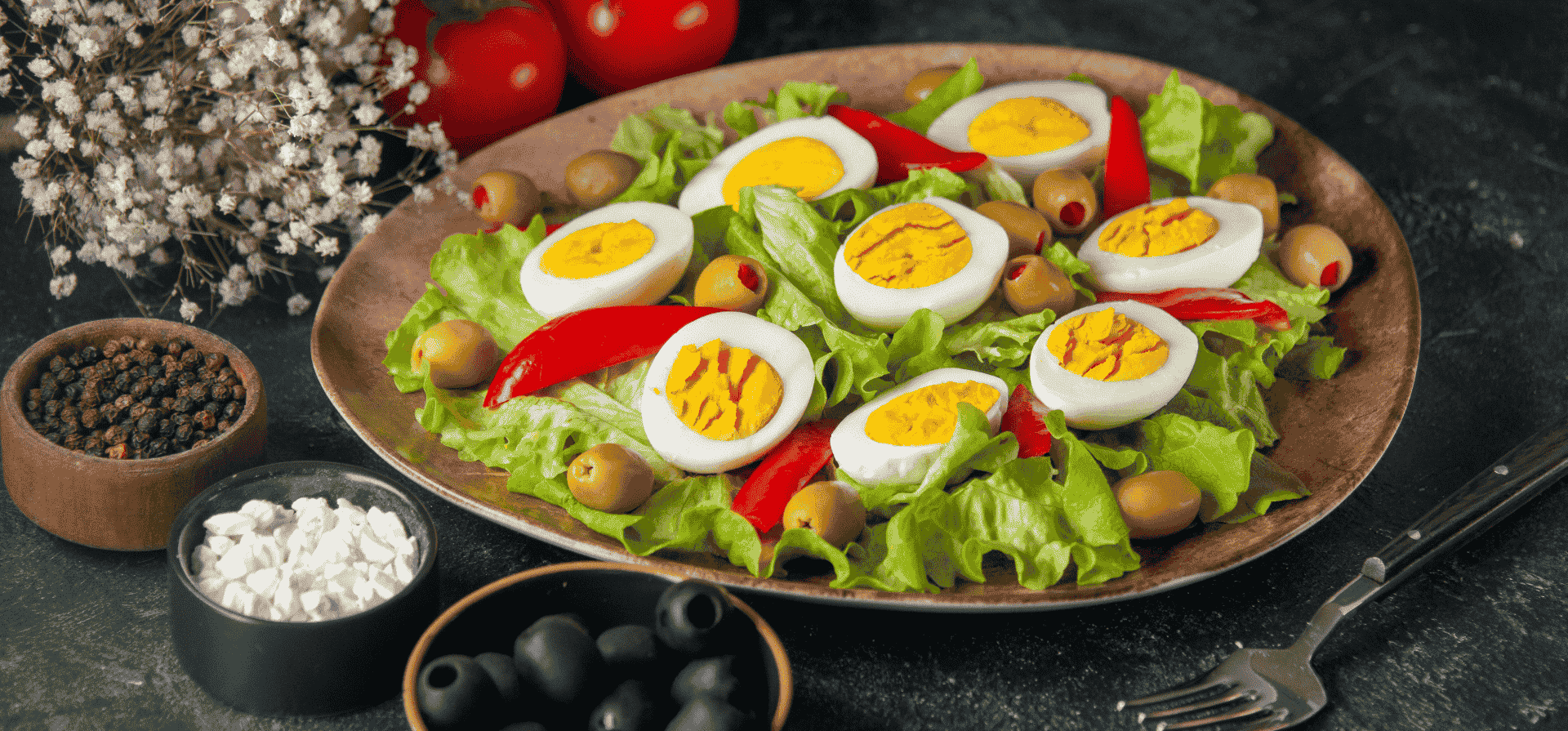
The Essence of French Gastronomy: Mastering Foie Gras and Classic Sauces
The Enduring Legacy of French Gastronomy
French gastronomy is not merely about food; it is a profound cultural institution, a global benchmark for culinary excellence, and a testament to centuries of refinement and innovation. Its influence permeates kitchens worldwide, shaping techniques, inspiring chefs, and defining the very concept of fine dining. From the intricate preparation of a delicate sauce to the controversial luxury of foie gras, French cuisine embodies a philosophy that prioritizes quality ingredients, meticulous execution, and a deep appreciation for flavor profiles. This rich heritage is built upon foundational principles that emphasize precision, balance, and an unwavering commitment to sensory pleasure, making it a subject of endless fascination and study for culinary enthusiasts and professionals alike.
Historical Roots and Evolution of French Cuisine
The origins of modern French cuisine can be traced back to the medieval period, but it truly began to flourish during the Renaissance, heavily influenced by Italian culinary traditions introduced by Catherine de’ Medici. Over subsequent centuries, it evolved through the royal courts, where chefs like François Pierre de la Varenne and Marie-Antoine Carême laid the groundwork for classical French cooking. The 19th and 20th centuries saw figures such as Auguste Escoffier codify the system of French cuisine, establishing the brigade de cuisine and standardizing recipes, which propelled French culinary arts onto the international stage. This period also witnessed the emergence of regional specialties, each reflecting local produce and traditions, adding layers of complexity and diversity to the national culinary identity.
- Medieval Foundations: Early reliance on spices, heavy meats, and elaborate presentations for the nobility.
- Renaissance Influence: Introduction of new ingredients and refinement of techniques from Italy.
- Classical Era: Standardization of cooking methods, development of elaborate sauces, and emphasis on presentation.
- Modern Innovations: Nouvelle cuisine in the 1970s challenged heavy classical dishes, emphasizing lighter, fresher ingredients and artistic plating, leading to contemporary French culinary movements.
The Philosophy of Terroir and Ingredient Purity
Central to French gastronomy is the concept of terroir, a term that encompasses not just the geographical origin of food but also its environment, climate, soil, and traditional farming methods. This philosophy dictates that ingredients should express the unique characteristics of their place of origin, leading to a profound respect for seasonal produce and regional specialties. Whether it’s the rich cream from Normandy, the robust wines of Bordeaux, or the specific poultry from Landes, the purity and quality of ingredients are paramount. This commitment ensures that the final dish is a true reflection of its components, allowing their natural flavors to shine through with minimal interference.
The pursuit of ingredient purity extends to the careful selection of everything from vegetables and herbs to meats and dairy. French chefs often work directly with local producers, fostering relationships that ensure access to the freshest and highest-quality raw materials. This dedication is a cornerstone of the cuisine, setting it apart and contributing significantly to its esteemed reputation.

Foie Gras: A Controversial Yet Cherished Delicacy
Foie gras, literally “fat liver,” is one of the most iconic and luxurious products of French cuisine. Produced from the liver of a duck or goose that has been specially fattened, it is celebrated for its unparalleled rich, buttery texture and delicate, distinctive flavor. While deeply entrenched in French culinary tradition, its production methods have sparked significant ethical debates and legal challenges worldwide. Despite these controversies, foie gras remains a highly prized ingredient in many high-end restaurants and homes across France and beyond, forming the centerpiece of festive meals and sophisticated appetizers.
The Historical and Cultural Significance of Foie Gras
The practice of force-feeding birds to enlarge their livers dates back to ancient Egypt, where frescoes depict the technique. It was later adopted by the Romans and eventually found its way to France, particularly in the southwest regions like Alsace and Périgord, which are now synonymous with its production. For centuries, foie gras has been a symbol of celebration, luxury, and culinary artistry. It is often served during holidays, especially Christmas and New Year’s Eve, and is a staple in many traditional French banquets. Its cultural importance is such that in 2006, French law declared foie gras part of the “protected cultural and gastronomic heritage of France.”
- Ancient Origins: Evidence of gavage (force-feeding) found in ancient Egyptian tombs.
- Roman Adoption: Spread through the Roman Empire, often using figs to sweeten the feed.
- French Heartland: Became a culinary cornerstone in regions like Alsace and Périgord, refining techniques over centuries.
- Symbol of Luxury: Traditionally associated with aristocracy and festive occasions.
Production Methods and Types of Foie Gras
The traditional production of foie gras involves a process called gavage, where ducks (moulard ducks being most common) or geese are force-fed a rich, high-energy corn-based diet for a limited period, typically 2-3 weeks. This controlled feeding leads to the natural enlargement and fattening of the liver. While controversial, proponents argue that the birds’ natural physiology, particularly their expandable esophagus, makes them well-suited for this process.
Foie gras is available in several forms, each offering a distinct culinary experience:
- Foie Gras Entier (Whole Foie Gras): This is the highest quality, consisting of a single whole liver or a lobe. It is often pan-seared or used in terrines.
- Bloc de Foie Gras: A molded block of reconstituted foie gras, sometimes containing pieces (avec morceaux). It offers a smoother, more spreadable texture.
- Pâté de Foie Gras: A mixture containing at least 50% foie gras, blended with other ingredients like pork fat, truffles, or spices.
- Mousse de Foie Gras: A lighter, airier preparation, typically containing less foie gras than pâté, often whipped with cream or other emulsifiers.
Culinary Applications and Serving Suggestions
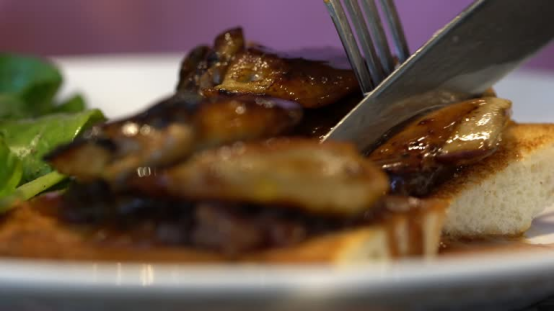
Foie gras is incredibly versatile in the kitchen. The most celebrated preparation is pan-seared foie gras, where slices of raw foie gras are quickly seared to achieve a crispy exterior and a meltingly tender interior. It is often paired with sweet or acidic accompaniments to cut through its richness, such as fig jam, fruit compotes (like apple or cherry), or a balsamic reduction. It also features prominently in terrines, where it is gently cooked and pressed, then served chilled in slices. Other applications include:
- Terrines and Pâtés: Often served as an appetizer with toasted brioche or crusty bread.
- Stuffing: Used to enrich poultry or game birds.
- Sauces: Can be incorporated into rich sauces to add depth and unctuousness.
- Cold Preparations: Marinated and served as a delicate cold starter.
When serving, temperature is key. Cold foie gras should be allowed to come to room temperature for about 15-20 minutes before serving to ensure optimal flavor and texture. Pan-seared foie gras should be served immediately. Traditional wine pairings include sweet white wines like Sauternes, which complement its richness, or a crisp Champagne for contrast.

Mastering the Art of French Sauces: Foundation of Flavor
If foie gras represents the pinnacle of luxurious ingredients, then French sauces are the very foundation upon which the entire edifice of French cuisine is built. Sauces are not mere accompaniments; they are integral components that bind dishes together, adding moisture, richness, complexity, and a harmonious balance of flavors. The ability to create exquisite sauces is considered the hallmark of a truly skilled French chef, transforming simple ingredients into gastronomic masterpieces. This mastery involves a deep understanding of emulsions, reductions, and the careful layering of flavors.
The Five Mother Sauces: Pillars of Classic French Cuisine
The concept of “mother sauces” (sauces mères) was codified by Auguste Escoffier, building upon the work of Carême. These five fundamental sauces serve as the starting point for hundreds of derivative sauces, providing a systematic approach to flavor building. Understanding these mother sauces is essential for anyone wishing to delve into French cookery.
Each mother sauce has a distinct base and thickening agent, leading to unique characteristics:
- Béchamel: A white sauce made from a roux (butter and flour cooked together) and milk. It is famously used in gratins, lasagna, and as the base for Mornay sauce (with cheese).
- Velouté: Another roux-based sauce, but thickened with a light stock (chicken, fish, or veal). It forms the basis for sauces like Allemande (with egg yolks and cream) and suprême (with chicken stock and cream).
- Espagnole (Brown Sauce): A rich, dark sauce made from a brown roux, veal or beef stock, and mirepoix (carrots, celery, onions). It is the backbone for demi-glace and many other meat sauces.
- Hollandaise: An emulsified sauce made from egg yolks, clarified butter, and lemon juice or vinegar. It is notoriously delicate and famously accompanies Eggs Benedict and asparagus.
- Tomate (Tomato Sauce): Traditionally made with rendered salt pork, aromatic vegetables, tomato purée, and stock. While simpler versions exist, the classic French version is rich and complex, often serving as a base for various stews and pasta dishes.
Mastering these five sauces unlocks a vast repertoire of French culinary possibilities, allowing for endless variations and creative applications.
Techniques for Sauce Perfection: Reduction, Emulsification, and Liaison
Beyond the mother sauces, several fundamental techniques are crucial for achieving sauce perfection in French cuisine:
- Reduction: The process of simmering a liquid to concentrate its flavors and thicken its consistency. This is vital for developing depth in stocks and creating intense glazes.
- Emulsification: The art of combining two immiscible liquids, such as oil and water (or butter and lemon juice in Hollandaise), into a stable mixture. This often involves slowly adding one liquid to another while whisking vigorously.
- Liaison: A thickening agent used to give body and consistency to sauces. Common liaisons include:
- Roux: A cooked mixture of fat (butter) and flour, used in béchamel and velouté.
- Beurre Manié: Uncooked butter and flour kneaded together, whisked into hot liquid at the end of cooking.
- Egg Yolks: Used in combination with cream (crème fraîche) to thicken and enrich sauces, as seen in liaison à la crème.
- Starch Slurries: Cornstarch or arrowroot mixed with cold liquid, then added to hot sauces for thickening, though less common in classic French cooking than roux.
Understanding the science behind these techniques allows chefs to manipulate textures and flavors with precision, ensuring every sauce is perfectly balanced and executed.

Integrating Excellence: Pairing & Modern Applications
The true artistry of French gastronomy lies not just in the individual perfection of elements like foie gras or classic sauces, but in their harmonious integration into complete dishes. This involves thoughtful pairing, understanding how textures and flavors interact, and adapting traditional techniques to contemporary tastes. Modern French cuisine, while respecting its rich heritage, continually seeks innovative ways to present these classic components, ensuring their relevance in an ever-evolving culinary landscape.
Classic Pairings and Flavor Harmony
French cuisine is renowned for its thoughtful pairings, where ingredients are chosen to complement and enhance each other, creating a symphony of flavors. For foie gras, the richness is often balanced with acidity or sweetness:
- Foie Gras & Sweet Wines: A classic match, particularly with Sauternes, where the wine’s honeyed notes cut through the richness of the liver.
- Foie Gras & Fruit: Fig jam, apple chutney, or roasted pears provide a sweet and tart counterpoint.
- Foie Gras & Brioche: The buttery sweetness of brioche is an ideal vehicle for the delicate flavor of foie gras.
For sauces, pairings are often dictated by the main protein or vegetable:
- Béchamel: Perfect with white meats (chicken, veal), vegetables (spinach, cauliflower), and pasta dishes.
- Espagnole/Demi-Glace: Essential for red meats (beef, lamb), game, and robust roasts.
- Hollandaise: A classic for delicate ingredients like asparagus, eggs, and poached fish.
- Velouté: Versatile for poultry, fish, and lighter meats, often customized with herbs or wines.
These pairings highlight the French emphasis on balance and contrast, ensuring each dish offers a complex yet harmonious eating experience.
Modern Adaptations and Global Influence
While deeply rooted in tradition, French cuisine is far from static. Contemporary chefs continuously innovate, reinterpreting classic dishes and incorporating global influences. This manifests in several ways:
- Lighter Preparations: Moving away from heavy, cream-laden sauces towards lighter emulsions, jus, and vegetable-based reductions, reflecting health-conscious trends.
- Fusion Techniques: Integrating Asian spices, South American ingredients, or Nordic fermentation methods into classic French frameworks, creating novel flavor profiles.
- Sous Vide and Molecular Gastronomy: Employing modern cooking technologies to achieve precise textures and temperatures, or exploring new forms and presentations of ingredients (e.g., foie gras “foam” or spheres).
- Sustainable Sourcing: A growing emphasis on ethical and sustainable production of ingredients, including alternatives or more humane methods for foie gras production.
This ongoing evolution ensures that French gastronomy remains at the forefront of the culinary world, inspiring new generations of chefs to respect tradition while pushing the boundaries of creativity.
Conclusion: The Enduring Allure of French Culinary Artistry
French gastronomy, with its dual pillars of luxurious ingredients like foie gras and the foundational art of its sauces, continues to captivate and inspire. It is a cuisine built on history, refined through technique, and celebrated for its unwavering commitment to flavor and quality. From the meticulous preparation of a classic roux to the delicate searing of foie gras, every aspect speaks to a profound respect for food and the dining experience. As it continues to evolve, embracing both tradition and innovation, French culinary artistry will undoubtedly remain a dominant force, offering endless delights to palates worldwide and cementing its legacy as a true global mission in taste and sophistication.
Frequently Asked Questions (FAQ)
- Q1: What defines a “Pillar Page” in the context of French gastronomy?
- A Pillar Page in French gastronomy comprehensively covers a broad core topic, such as “The Essence of French Gastronomy,” acting as a definitive guide. It links out to more specific articles (cluster content) like “The History of Foie Gras” or “Mastering Béchamel Sauce,” providing an overview of all related sub-topics while delving deep into key areas like foie gras and mother sauces.
- Q2: Is foie gras ethical to consume given its production methods?
- The ethics of foie gras production are highly debated. Traditional gavage involves force-feeding, which critics argue is cruel. Proponents claim that the ducks’ natural physiology allows for the process without suffering, and that ethical farming standards are maintained. Some producers are exploring alternative, “gavage-free” methods, though these are not yet widely adopted or recognized by all culinary traditions. Consumers often weigh personal ethics against cultural heritage and culinary appreciation.
- Q3: How many mother sauces are there in classic French cuisine, and why are they important?
- There are five classic mother sauces: Béchamel, Velouté, Espagnole (Brown Sauce), Hollandaise, and Tomate (Tomato Sauce). They are crucial because they serve as the foundational building blocks for hundreds of derivative sauces. Mastering these five allows a chef to create a vast repertoire of flavors and textures, forming the backbone of traditional French cooking and providing a systematic approach to sauce making.
- Q4: Can French sauces be adapted for modern dietary needs or preferences?
- Absolutely. While classic French sauces often rely on butter, cream, and flour, modern chefs frequently adapt them. This can involve using lighter stocks, vegetable purées for thickening, alternative fats, or plant-based milks. Techniques like reductions are naturally lighter. The core principles of flavor development and balance remain, allowing for creative, health-conscious reinterpretations without sacrificing taste.
- Q5: What is the best way to store and serve foie gras?
- Whole, raw foie gras should be stored in the coldest part of the refrigerator and consumed within a few days or frozen. Cooked foie gras (like terrines or bloc) should also be refrigerated and has a longer shelf life, often indicated on the packaging. When serving cold foie gras, it’s best to allow it to come to room temperature for 15-20 minutes to enhance its flavor and texture. Pan-seared foie gras should be served immediately after cooking for optimal crispness and melting interior.
- 0
- By finet52
- April 17, 2026 12:32 PM