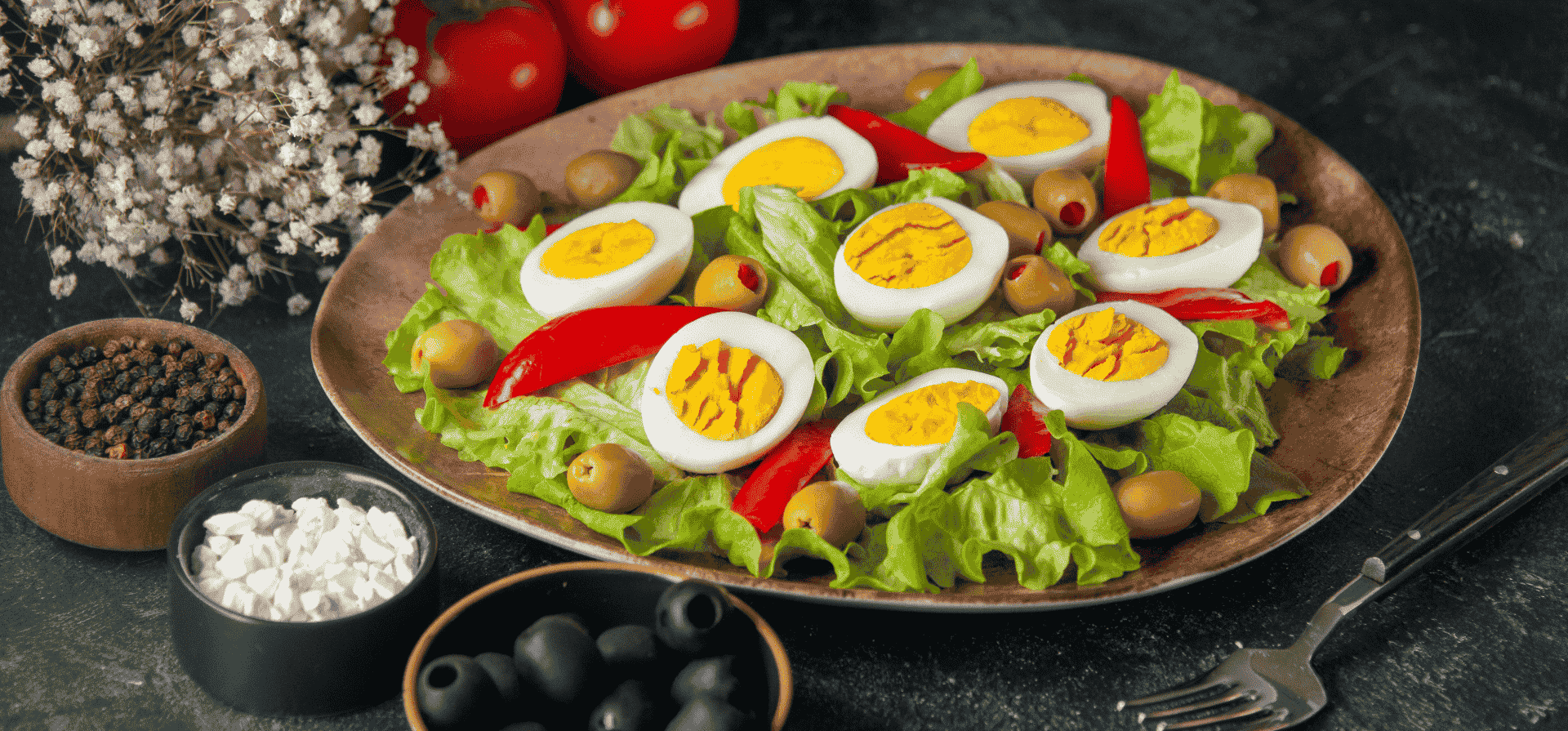

European Olive Oil Unveiled: The Battle of Spain, Italy, and Greece
Olive oil, as an important ingredient in the Mediterranean region, has been regarded as a symbol of health and wealth since ancient times. It is not only an indispensable seasoning in cooking, but also favored by global consumers due to its rich nutritional value and unique flavor. Olive oil is mainly divided into several types, among which the top is Extra Virgin Olive Oil, which uses cold-pressing technology to preserve all the nutrients and natural flavors of olive fruit. Olive oil is rich in monounsaturated fatty acids, antioxidants, and vitamin E, making it known as the “liquid gold” and an important component of a healthy diet.
In Europe, olive oil has a long history of production and a wide variety of varieties. Spain, Italy, and Greece, as the world’s most important olive oil-producing countries, each have their own unique olive oil flavors and production processes, attracting consumers from all over the world.
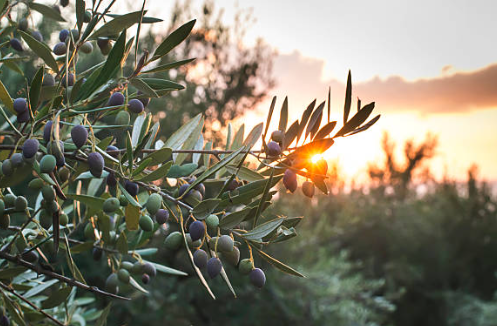
Olive tree
You know what? The olive tree is a delicate little princess. Despite its drought tolerance, it has extremely strict requirements for its growth environment. Mediterranean climate: hot and dry summers and warm winters, with over 2000 hours of sunlight exposure, are their “standard of living.”
Olive trees are most afraid of the cold winter, as once the temperature drops below a few degrees, their roots may be frostbitten. After finally blooming, the number of fruits that can bear fruit is still very small. A string of twenty or thirty flower clusters can only produce one or two fruits in the end. So, feeding a healthy olive tree requires a lot of effort and time.
Olive oil
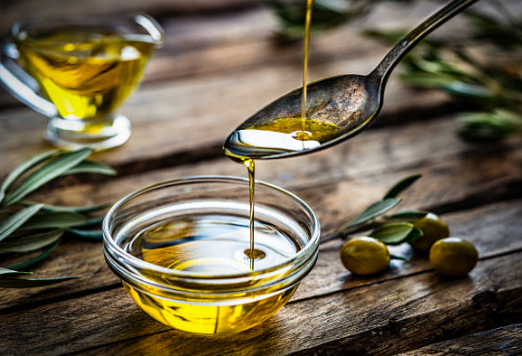
The flavor of olive oil is not something that comes casually. Many people believe that olive oil has different tastes, such as bitter, spicy, and fragrant, which are related to the variety of olives. However, the factors behind it are much more complex.
Maturity: From the small green fruit in June to the purple-black mature fruit in September, as the maturity increases, the phenolic components in the oil decrease, and the bitterness and spiciness of the oil gradually converge.
Flavor differences: The color, taste, and even the final taste of olives are closely related to factors such as olive variety, maturity, climate, precipitation, etc.
In the production process of olive oil, the craftsmanship and skills of craftsmen also determine the flavor of the oil. If the tree planting and fruit harvesting are not precise enough, the final flavor of the oil will be greatly reduced. So, the taste of olive oil is the result of parents’ inheritance and exquisite craftsmanship.
Spain, Italy, Greece… Olive Oil Competition Across Various Regions
When it comes to the origin of olive oil, your mind may explode—Spain, Italy, Greece—which is better? Let’s analyze them one by one:
Spain: The world’s largest production of olive oil comes from Spain, especially the southern region of Andalusia. The Pique olive oil produced here has a taste of mint and basil, with a strong spiciness that is suitable for pairing with seafood or tomato dishes.
Italy: Although not as vast as Spain, Italy has three times as many oil mills as Spain, with abundant production and exquisite technology. Italian olive oil usually has a strong fruity and herbal aroma, suitable for various dishes, especially Tuscan olive oil, with prominent bitterness and spiciness.
Greece: As the country with the highest per capita consumption of olive oil in the world, Greece’s olive oil, especially the Kolone variety, has the aroma of almonds and green tomatoes, making it suitable for pairing with light seafood and vegetables.
Although Italian olive oil is the most sought after, olive oil from Spain and Greece also has its own advantages in different flavors and food combinations. Don’t just focus on the high-priced oil in Italy. Oil from different regions has its own characteristics, and when choosing, you should pay attention to the origin, variety, and production process of the oil.
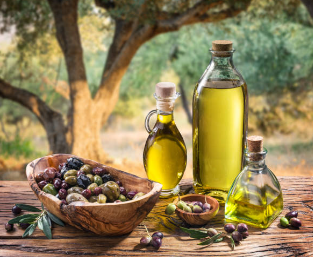
How is a bottle of high-quality olive oil refined?
Extracting a high-quality bottle of extra virgin olive oil requires a series of complex processes:
Picking olives: The best time to pick olives is before the fruit begins to turn purple, when the nutrition and flavor of olives are most abundant.
Cleaning and crushing: After harvesting, olives should be quickly sent to the oil mill for cleaning to remove impurities. Then crush it, mix the fruit pulp with the kernel to make a puree, and prepare it for oil extraction.
Oil extraction and separation: Through modern centrifugal separation technology, water and impurities are removed to obtain pure olive oil.
Preservation and packaging: Before bottling olive oil, small fruit residues need to be filtered out with a filter, and finally sealed in a dark glass bottle or metal can to prevent light from damaging the quality of the oil.
A bottle of genuine extra virgin olive oil, with excellent quality, a rigorous production process, and a naturally not-cheap price. To choose a high-quality bottle of olive oil, it is a good choice to identify oil products with the “European Union Protection of Origin (DOP)” label.