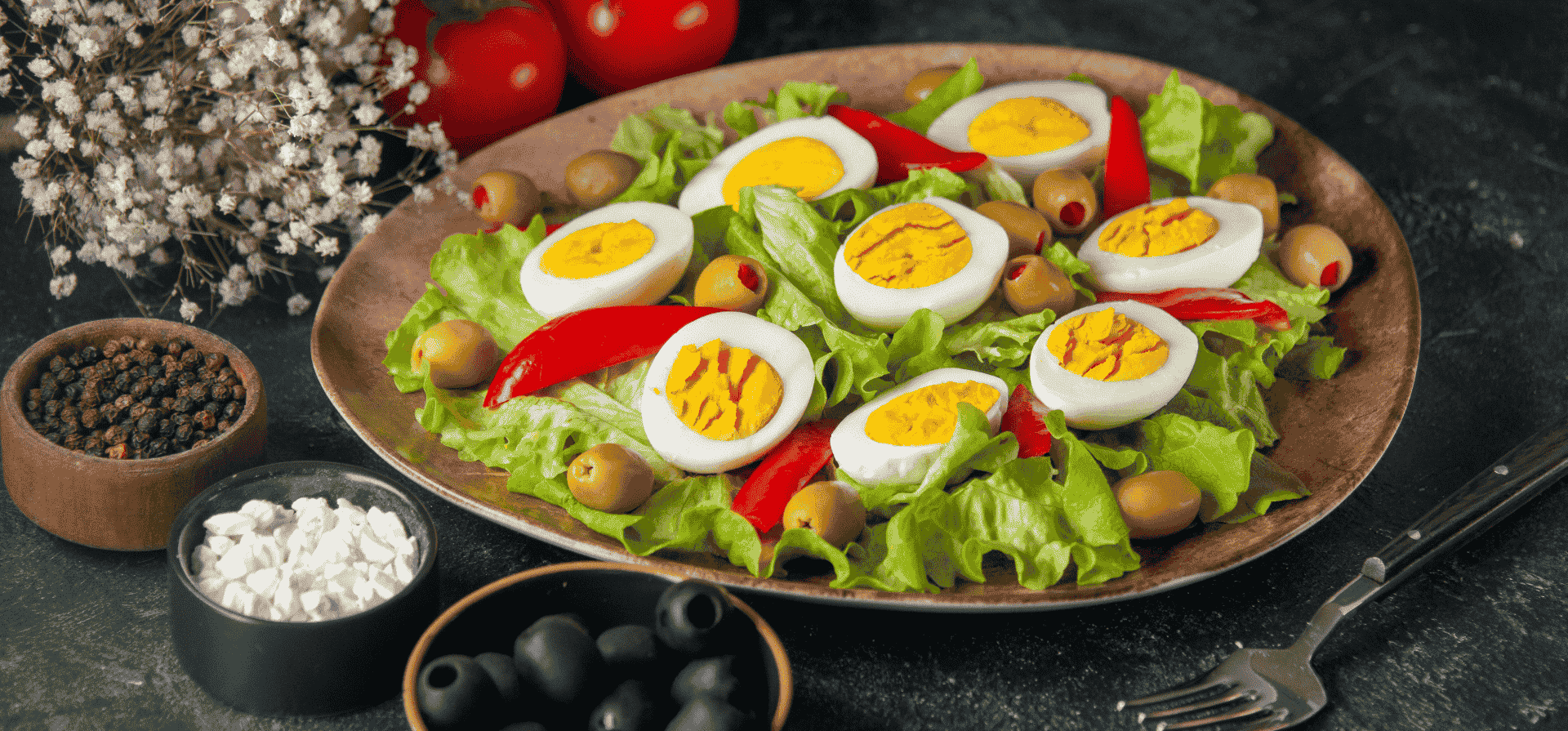

The secret of Europeans eating cheese after meals
In Europe, especially in France, cheese has never been an appetizer before a meal, but rather the “finishing touch” of a perfect dinner. Many people are accustomed to enjoying cheese with a glass of port wine or sherry after meals, and this dietary tradition has a long history in Europe.
1、 Cultural Tradition: The Perfect Match of Cheese and Wine
Europeans’ love for cheese is deeply ingrained in their bones, and the habit of eating cheese after meals largely stems from its perfect pairing with post dinner wine. For example, Stilton blue cheese from the UK is often paired with Port wine, where the salty aroma of the cheese and the sweetness of the wine complement each other; The Spanish cheese of Galoteja complements sherry perfectly, with the aroma of the wine highlighting the delicate flavor of the cheese. This combination not only enhances the taste level, but also avoids the strong cheese from overshadowing the main dish.
In addition, eating cheese after meals can make people enjoy its flavor more calmly. After a sumptuous dinner, people are no longer hungry and will not gulp down their food due to hunger, allowing them to savor the complex taste and aroma of cheese more carefully.
2、 The Way of Science: The Delicious Taste of Cheese at Room Temperature

The core reason why Europeans insist on eating cheese after meals is that cheese can only show its best condition at room temperature. The fat soluble molecules and volatile aroma compounds in cheese are more easily released in environments close to human body temperature. When cheese is taken out of the refrigerator and left to stand for a period of time, its texture will become soft, the aroma will become more intense, and the layering will be more distinct.
Scientific explanation:
Fat soluble molecules flow more easily at room temperature, releasing more aroma;
The increase in temperature accelerates the volatilization of aroma molecules, making the sense of smell more sensitive and capturing subtle differences;
Cheese requires a breathable environment. Covering it with breathable paper and letting it sit can prevent odors and maintain its flavor.
3、 Digestive Misconceptions and Truth: The acidity and alkalinity of cheese
There is a misconception about cheese aiding digestion:
Some cultural bloggers believe that cheese is an alkaline food that can neutralize stomach acid and aid digestion, but this is not correct. Cheese is actually acidic (with a pH lower than milk), and excessive consumption may cause acid reflux.
The truly digestive aid is high-fat cheese, which contains butyric acid that can fight inflammation and enhance the immune system.
Correct suggestion:
Choose high-fat cheese (such as cheddar, Gundam), pair it with nuts or fruits, balance the taste and be beneficial to health;
Avoid consuming high salt cheese on an empty stomach to prevent stomach irritation.
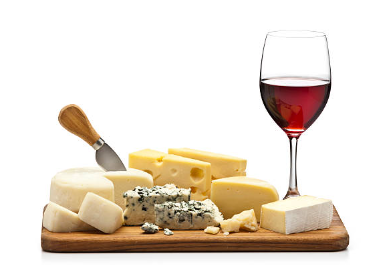
4、 How to elegantly enjoy cheese like Europeans
1. Warm up in advance: Take out the cheese from the refrigerator 1-2 hours before dining, cover it with breathable paper and let it sit.

2. Scientific combination:
Hard cheese (such as Parmesan) paired with red wine or coffee;
Blue cheese (such as Stilton) paired with port wine or honey;
Soft cheese (such as Brie) paired with apples or pears.
3. Ceremonial presentation: Use wooden trays with grapes, olives, and crispy bread to create a European dining atmosphere.
Next time you eat cheese, why not try the European method of letting the cheese bloom at room temperature, paired with a glass of wine, and enjoy a delicious and perfect dinner. After all, the joy of food lies not only in its taste, but also in the process of experiencing it with care.