The Ancient Art of Feimai: Preserving the Memory of Grains
Feimai, a traditional method of preparing grains in the Eastern Mediterranean, is more than just a cooking technique; it’s a profound link to ancestral dietary wisdom. The name itself, evoking the idea of “grains burned by fire,” hints at its origins and the deep respect held for these fundamental food sources. This practice, passed down through generations, represents a sophisticated understanding of nutrition, preservation, and flavor development, all rooted in the region’s rich agricultural history.
The Eastern Mediterranean, a cradle of civilization and agriculture, has long relied on grains as a staple. The development of Feimai likely emerged from practical necessities, such as extending the shelf life of harvested grains and enhancing their digestibility. By intentionally “burning” or toasting grains, ancient peoples unlocked new flavor profiles and potentially improved their nutritional bioavailability. This method speaks to a time when food preparation was an intricate dance with nature, maximizing the potential of every ingredient.
Historical Roots and Cultural Significance
The practice of toasting or parching grains has a long and widespread history, appearing in various cultures across the globe. However, Feimai specifically refers to a nuanced application within the Eastern Mediterranean context. It’s believed to have originated from the need to store grains in humid climates, where mold and spoilage were constant threats. The controlled application of heat not only dried the grains thoroughly but also rendered them more resistant to pests and decay. This made grains a reliable food source, even during lean seasons.
Beyond its practical applications, Feimai is deeply embedded in the cultural fabric of the region. It represents a connection to the land and to the ancestors who developed these sustainable food practices. The act of preparing Feimai can be a communal activity, fostering a sense of heritage and shared identity. The resulting grains are often used in celebratory dishes, signifying abundance and continuity.

The Nutritional Powerhouse: Unpacking the Benefits of Feimai
The process of Feimai transforms simple grains into a more nutrient-dense and digestible food. The controlled heat application plays a crucial role in this transformation. By toasting the grains, certain anti-nutritional factors, such as phytic acid, can be reduced. Phytic acid can bind to minerals like iron, zinc, and calcium, hindering their absorption. Reducing phytic acid levels through methods like Feimai can therefore enhance the bioavailability of these essential minerals.
Furthermore, the Maillard reaction, a complex chemical process that occurs when food is heated, is responsible for the characteristic browning and rich flavors developed during Feimai preparation. This reaction also creates a range of beneficial compounds, including antioxidants. While research specifically on Feimai’s antioxidant profile is ongoing, the general principle of heat-induced browning in grains suggests a potential increase in antioxidant activity.
Enhanced Digestibility and Gut Health
One of the most significant advantages of the Feimai method is its contribution to improved digestibility. The heat treatment can break down complex carbohydrates and proteins, making them easier for the body to process. This can be particularly beneficial for individuals with sensitive digestive systems or those who experience bloating or discomfort after consuming grains. By pre-digesting the grains to a certain extent, Feimai prepares them for optimal nutrient absorption.
The resulting grains are often described as having a satisfying texture and a nutty, complex flavor that enhances their appeal. This makes them a versatile ingredient that can be enjoyed on its own or incorporated into a wide array of dishes, promoting a varied and balanced diet.

Mastering the Art: Traditional Feimai Preparation Techniques
The preparation of Feimai is an art form that requires patience, attention to detail, and an understanding of the grain’s transformation. While specific techniques may vary slightly across different communities and families, the core principles remain consistent: controlled heat and careful monitoring.
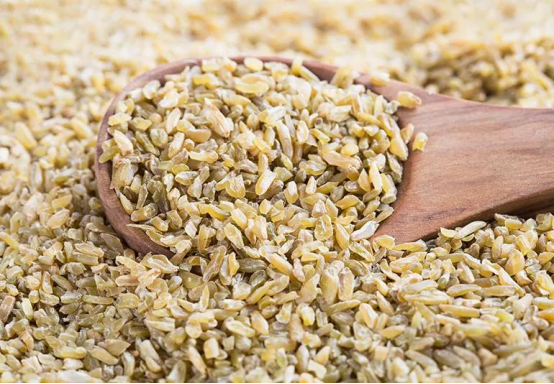
Traditionally, Feimai is prepared by gently toasting raw grains in a dry pan or pot over low to medium heat. The grains are constantly stirred to ensure even toasting and prevent burning. The goal is to achieve a uniform golden-brown color and a fragrant aroma. This process can take anywhere from 15 to 30 minutes, depending on the type of grain and the heat source.
Step-by-Step Guide to Feimai Preparation
- Select Your Grains: Choose high-quality, raw grains such as wheat, barley, spelt, or even certain legumes. Ensure they are clean and free from debris.
- Choose Your Vessel: A heavy-bottomed pot or a cast-iron skillet is ideal for even heat distribution.
- Gentle Heat is Key: Place the dry pot over low to medium heat. Avoid high heat, which can scorch the grains.
- Constant Stirring: Add the grains to the dry, heated pot. Stir continuously with a wooden spoon or spatula. This is crucial to prevent any single grain from burning and to ensure uniform toasting.
- Observe and Listen: Pay close attention to the color and aroma. The grains will gradually turn golden brown and release a nutty, toasty scent. You might hear a gentle crackling sound as they toast.
- The Golden Hue: Continue toasting until the desired golden-brown color is achieved. The exact shade can depend on personal preference and the type of grain.
- Cooling and Storage: Once toasted, immediately remove the grains from the hot pot and spread them on a clean plate or baking sheet to cool completely. This stops the cooking process. Store the cooled Feimai grains in an airtight container at room temperature.
Common Pitfalls to Avoid
- Uneven Toasting: Insufficient stirring leads to some grains being undercooked and others burnt.
- Over-Burning: Using too high heat or toasting for too long will result in bitter, acrid flavors and a loss of nutritional value.
- Not Cooling Properly: Grains that are not cooled completely before storage can develop condensation, leading to spoilage.

Beyond Tradition: Modern Applications of Feimai
The wisdom encapsulated in Feimai is not confined to historical recipes; it offers exciting possibilities for modern cuisine. Its enhanced flavor and texture make it a versatile ingredient that can elevate a wide range of dishes, appealing to contemporary palates seeking both health and taste.
Toasted grains can be used as a base for savory meals, adding a delightful crunch and depth of flavor. They can be incorporated into pilafs, stews, and soups, providing a textural contrast and a more satisfying bite. The nutty notes of Feimai grains complement a variety of ingredients, from roasted vegetables and lean proteins to fresh herbs and spices.
Culinary Versatility and Health-Conscious Eating
In contemporary kitchens, Feimai grains can be treated much like other cooked grains, but with an added layer of complexity. They can be added to salads for a delightful crunch, used as a topping for yogurt or oatmeal, or even ground into flour for baking, imparting a unique toasted flavor to bread and pastries.
For health-conscious individuals, Feimai offers a way to enjoy grains with potentially improved digestibility and enhanced nutrient absorption. It aligns perfectly with trends towards whole foods, ancestral eating, and mindful consumption. By embracing this ancient practice, we can reconnect with our food on a deeper level and discover the enduring power of traditional culinary wisdom.

Pro Tips for Embracing Feimai in Your Kitchen
Integrating Feimai into your cooking is straightforward and rewarding. Here are some expert tips to help you maximize its potential:
- Start Simple: Begin by toasting a small batch of your favorite grain, like barley or spelt, and enjoy it as a side dish seasoned with olive oil, lemon, and herbs.
- Experiment with Grain Combinations: Mix different types of Feimai grains for a more complex flavor and texture profile in your dishes.
- Flavor Pairings: Feimai grains pair exceptionally well with Mediterranean flavors such as garlic, oregano, mint, cumin, and sumac.
- Batch Cooking: Toast a larger batch of grains and store them in an airtight container. This makes it easy to add a healthy, flavorful component to meals throughout the week.
- Don’t Fear the Toast: While the goal is to toast, a slight char on a few grains can add a pleasant smoky depth. Just avoid widespread burning.
- Rehydrating: If your toasted grains seem a bit dry after storage, a quick rinse or a brief simmer in water or broth can rehydrate them beautifully.
Feimai vs. Other Grain Preparation Methods
| Method | Description | Pros | Cons | Feimai Comparison |
|---|---|---|---|---|
| Boiling | Cooking grains in water until tender. | Simple, widely understood. | Can be bland, may not reduce anti-nutrients. | Offers enhanced flavor, improved digestibility, and potential nutrient enhancement. |
| Soaking | Immersing grains in water for several hours. | Reduces phytic acid, improves digestibility. | Can be time-consuming, may leach some water-soluble vitamins. | Provides similar benefits to soaking but with the added advantage of developed flavor and texture. |
| Sprouting | Encouraging grains to germinate. | Increases nutrient availability, improves digestibility. | Requires specific conditions, can be challenging to master. | Offers comparable nutritional benefits with a more established and direct flavor development process. |
| Roasting (General) | Dry heat cooking to brown and develop flavor. | Enhances flavor and texture. | Can be difficult to control evenly without constant attention. | Feimai is a specific, time-honored application of roasting, emphasizing controlled toasting for optimal flavor and digestibility. |
Frequently Asked Questions (FAQ)
- What types of grains are best suited for the Feimai method?
- While many grains can be prepared using the Feimai method, hearty grains like barley, spelt, farro, and even wheat berries are excellent choices. Quinoa and millet can also be toasted, though their cooking times and flavor profiles will differ.
- How long does Feimai prepared grain last in storage?
- When stored properly in an airtight container at room temperature, Feimai prepared grains can last for several weeks, sometimes even months, due to the reduced moisture content and potential preservation effects of the toasting process.
- Can I use Feimai grains in baking?
- Absolutely! Feimai grains can be ground into a coarse flour or added whole to doughs to impart a unique nutty and toasted flavor to breads, muffins, and other baked goods. They can also be used as a crunchy topping.
- Is Feimai a difficult cooking technique to learn?
- The core Feimai technique is quite simple and primarily involves consistent stirring over moderate heat. The main challenge is learning to recognize the perfect moment of toasting for your desired flavor and texture, which comes with practice.
- What is the primary difference between Feimai and simply boiling grains?
- The primary difference lies in flavor development and digestibility. Boiling grains yields a neutral taste and texture, while Feimai significantly enhances flavor through toasting, creating a nutty, complex profile. Furthermore, the heat treatment in Feimai can improve digestibility and nutrient absorption compared to plain boiled grains.