The Ultimate Guide to Tempura: History, Techniques, and Culinary Artistry
Tempura, a staple of Japanese cuisine, transcends the simple act of frying. It’s an exquisite culinary art form, celebrated for its delicate crispness, light texture, and the ability to highlight the natural flavors of seasonal ingredients. Unlike heavy, greasy fried foods, authentic Tempura is a testament to precision, balance, and a deep respect for freshness. This ultimate guide will take you on a journey through the fascinating world of Tempura, from its unexpected origins to the intricate techniques that define its perfection, ensuring you can appreciate and even recreate this delicate dish with newfound understanding.
The Historical Roots of Tempura: From Portugal to Edo Japan
The story of Tempura is a captivating blend of cultural exchange and culinary evolution. While quintessentially Japanese today, its origins trace back to 16th-century Portugal. Portuguese missionaries and traders, who arrived in Nagasaki, introduced a dish called “peixinhos da horta” – battered green beans or other vegetables, fried in oil. This dish, eaten during “Quatuor Tempora” (Ember Days) when meat was forbidden, eventually lent its name to the Japanese adaptation.
From European Import to Japanese Delicacy
Upon its arrival in Japan, the concept of frying food quickly resonated with local tastes. However, it wasn’t a direct copy. Japanese chefs, with their innate ability to refine and elevate foreign influences, began to transform the simple fried vegetables. During the Edo period (1603-1868), Tempura evolved significantly, particularly in Edo (modern-day Tokyo). It became a popular street food, sold from stalls where fresh seafood from Edo Bay was lightly battered and fried right before the customer’s eyes. This emphasis on freshness and immediate consumption became a cornerstone of Tempura’s identity.
The Edo-style vs. Kansai-style Divide
Historically, two main styles emerged: Edo-style and Kansai-style. Edo-style, originating in Tokyo, often featured seafood from Tokyo Bay and used sesame oil for frying, imparting a distinctive nutty aroma and slightly darker hue. Kansai-style, from the Kyoto-Osaka region, tended to use lighter vegetable oils and focused more on a wider array of seasonal vegetables, often resulting in a paler, more delicate finish. This historical context underscores Tempura’s deep cultural roots and its adaptability within Japanese culinary traditions.

The Art of Tempura: Ingredients & Preparation Principles
The true artistry of Tempura lies not just in its cooking method, but in the meticulous selection and preparation of its components. Every element, from the produce to the oil, plays a critical role in achieving the dish’s signature lightness and crispness. Understanding these principles is key to appreciating and creating exceptional Tempura.
Selecting the Freshest Ingredients: Seasonal Imperatives
The cornerstone of great Tempura is undoubtedly the quality and freshness of its ingredients. Japanese cuisine places immense value on seasonality (旬 – shun), and Tempura is no exception. Chefs meticulously select items at their peak, believing that the batter and frying process should enhance, not mask, the natural flavors. Common choices include:
- Seafood: Prawns (ebi), squid (ika), various white fish (kisu, anago – conger eel), scallops, and oysters. Prawns are often straightened to prevent curling during frying.
- Vegetables: Eggplant (nasu), sweet potato (satsuma-imo), lotus root (renkon), shiitake mushrooms, bell peppers, pumpkin, green beans, asparagus, and various wild mountain vegetables (sansai) in spring.
- Unconventional: Sometimes even items like nori (seaweed) or cheese are used for creative variations.
Each ingredient is prepared simply, often just lightly patted dry or scored, to ensure even cooking and optimal batter adhesion. The goal is to allow the ingredient’s inherent sweetness, umami, or texture to shine through the delicate fried casing.
The Philosophy of Lightness: Why Tempura Stands Apart
Unlike many Western fried foods which aim for a thick, protective crust, Tempura seeks a gossamer-thin, almost ethereal coating. This isn’t just an aesthetic choice; it’s a fundamental principle rooted in Japanese culinary philosophy. The lightness allows the diner to fully experience the ingredient within, creating a harmonious balance between the crisp exterior and the tender, flavorful interior. This delicate balance is achieved through precise control over every step, from batter consistency to oil temperature.

Mastering the Tempura Batter: The Science of Lightness
The batter is the heart of Tempura’s appeal. Its unique lightness is a result of specific ingredient ratios and preparation techniques that minimize gluten development and maximize crispness. This isn’t just cooking; it’s culinary chemistry.
The Components of a Perfect Batter
A classic Tempura batter typically consists of:
- Cold Water (or Dashi): Crucial for inhibiting gluten formation. Using ice-cold water or even adding ice cubes keeps the mixture cold, ensuring a light, airy texture.
- Low-Gluten Flour: Cake flour or a specific Tempura flour blend is preferred over all-purpose flour. Lower protein content means less gluten development when mixed, leading to a tender rather than chewy batter.
- Egg: Usually just the yolk, or a whole egg, provides richness and helps with binding and browning. Again, kept cold.
The “Just Mixed” Principle: Minimizing Gluten
The most critical rule for Tempura batter is minimal mixing. Unlike pancake batter, where lumps are often smoothed out, Tempura batter thrives on being lumpy and barely combined. Overmixing activates gluten, which results in a tough, chewy, and heavy coating that defeats the purpose of Tempura. The goal is to simply bring the ingredients together, leaving plenty of dry flour pockets and uneven texture. These imperfections are what create the characteristic irregular, delicate crispness when fried.
Why Temperature Matters for Batter
Maintaining a low temperature for the batter mixture is paramount. Cold batter hitting hot oil creates a greater thermal shock, leading to rapid steam production within the batter. This steam quickly escapes, leaving behind a delicate, porous, and incredibly crisp shell. A warm batter, by contrast, would result in a heavier, softer coating as gluten would develop more readily and the steam effect would be less pronounced.

Frying Tempura to Perfection: Techniques and Temperature Control
The final, and perhaps most critical, stage in creating exquisite Tempura is the frying process itself. This requires precision, quick reflexes, and an understanding of oil dynamics. It’s where the raw ingredients and delicate batter transform into a culinary masterpiece.
Choosing the Right Oil and Temperature
The type of oil used significantly impacts the flavor and texture of Tempura. Traditionally, a blend of sesame oil (often light sesame oil, not dark toasted) and other neutral vegetable oils (like cottonseed, canola, or rice bran oil) is used. Sesame oil adds a subtle fragrance and richness, while neutral oils provide a high smoke point necessary for deep-frying.
Maintaining the correct oil temperature is non-negotiable. Typically, Tempura is fried between 170-180°C (340-355°F). Too low, and the food will absorb too much oil, becoming greasy and soggy. Too high, and the batter will burn before the ingredients inside are cooked through. A thermometer is an invaluable tool here. The goal is a quick, high-heat fry that cooks the ingredients rapidly while creating a crisp, non-oily exterior.
The Frying Process: A Delicate Dance
Each piece of Tempura is typically fried individually or in small batches to avoid overcrowding the pot, which would lower the oil temperature. Ingredients are lightly dipped in the barely mixed batter, ensuring only a thin, uneven coating. They are then gently placed into the hot oil. As they fry, a delicate lacy texture forms around the ingredient. Chefs often use chopsticks to gently separate pieces, ensure even cooking, and remove any stray batter bits (tenkasu) to keep the oil clean.
The frying time is very short, often just 1-3 minutes depending on the ingredient. The visual cues – a pale golden color, the cessation of vigorous bubbling (indicating moisture has escaped), and the crisp sound – guide the chef. Once cooked, the Tempura is removed and placed on a wire rack to drain excess oil immediately.
Common Frying Pitfalls and Solutions
| Pitfall | Cause | Solution |
|---|---|---|
| Soggy Tempura | Oil too cold, overcrowding, too much batter. | Maintain oil temperature, fry in small batches, thin batter coating. |
| Greasy Tempura | Oil too cold, insufficient draining. | Ensure oil is at optimal temperature, drain on a wire rack immediately. |
| Unevenly Cooked | Varying ingredient sizes, inconsistent oil temperature. | Cut ingredients uniformly, monitor oil temperature closely. |
| Hard/Chewy Batter | Overmixed batter, too much gluten. | Mix batter minimally, use cold water and low-gluten flour. |

Serving and Enjoying Tempura: Accompaniments and Aesthetics
The experience of eating Tempura extends beyond its preparation; it encompasses how it’s served and what it’s served with. The presentation and accompaniments are integral to the overall aesthetic and flavor profile.
The Importance of Immediate Consumption
Authentic Tempura is meant to be enjoyed immediately after frying. The delicate crispness of the batter is fleeting, and even a few minutes can diminish its perfection. This is why at high-end Tempura restaurants (tempura-ya), diners are often served piece by piece, directly from the fryer, ensuring each morsel is at its absolute best. The ‘sizzle’ and ‘crunch’ are as much a part of the experience as the taste.
Dipping Sauces and Condiments
While some Tempura is flavorful enough to be eaten plain, it’s traditionally served with specific accompaniments that enhance, rather than overpower, its delicate taste:
- Tentsuyu: This is the most common dipping sauce, a light broth made from dashi (Japanese stock), mirin (sweet rice wine), and soy sauce. It’s typically served warm.
- Grated Daikon & Ginger: A small mound of freshly grated daikon radish and ginger is often served alongside tentsuyu. These add a refreshing, slightly pungent counterpoint that cuts through any richness and aids digestion.
- Salt: High-quality sea salt or specialty salts (like matcha salt or curry salt) are popular, especially for very fresh and flavorful ingredients, allowing their natural taste to shine through without the added complexity of tentsuyu. A squeeze of lemon or lime can also be used.
Aesthetic Presentation
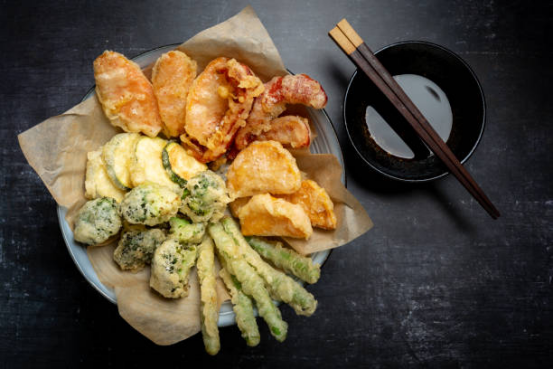
Just like other forms of Japanese cuisine, presentation is key. Tempura is typically arranged artfully on a small plate or basket lined with absorbent paper, often garnished with shiso leaves or a slice of lemon. The golden-brown pieces are presented to highlight their individual shapes and textures, appealing to the eye as much as the palate.

Pro Tips for Making Restaurant-Quality Tempura at Home
Achieving the perfect, light, and crispy Tempura at home might seem daunting, but with these expert tips, you can elevate your homemade efforts to restaurant standards.
Keep Everything Cold
This is the golden rule for Tempura batter. Use ice-cold water, chilled eggs, and even chill your flour. Some chefs even keep a bowl of ice water next to their batter bowl to maintain its temperature. The colder the batter, the greater the thermal shock when it hits the hot oil, leading to a superior crisp texture.
Don’t Overmix Your Batter
Resist the urge to whisk until smooth. Lumps are your friend! Mix the flour, egg, and cold water (or dashi) just enough until combined, leaving plenty of dry flour pockets. Overmixing develops gluten, which results in a tough, chewy, and heavy coating. A lumpy batter creates a more delicate, airy, and irregular crust.
Use a High-Quality, Neutral Oil
A blend of light sesame oil and a neutral oil like cottonseed, canola, or rice bran oil works best. Ensure the oil has a high smoke point. Use enough oil so that the ingredients can float and fry evenly without touching the bottom of the pot. Don’t reuse oil too many times, as it can impart off-flavors.
Maintain Consistent Oil Temperature
Invest in a deep-fry thermometer. Aim for 170-180°C (340-355°F). Fluctuations in temperature are the enemy of good Tempura. If the oil gets too cool, the Tempura will become greasy; too hot, and it will burn before cooking through. Fry in small batches to prevent the oil temperature from dropping significantly.
Drain Properly and Serve Immediately
Once fried to a beautiful pale golden color, remove the Tempura and place it on a wire rack set over paper towels to drain excess oil. Do not pile pieces on top of each other, as this traps steam and makes them soggy. Serve the Tempura as soon as it’s ready to enjoy the optimal crispness and flavor.
Frequently Asked Questions (FAQ)
- What makes Tempura different from other fried foods?
- Tempura stands out due to its incredibly light, airy, and crisp batter, which is designed to enhance rather than overpower the natural flavors of fresh, seasonal ingredients. Unlike many Western fried foods, Tempura’s batter is minimally mixed and uses cold ingredients to inhibit gluten formation, resulting in a delicate, almost ephemeral coating that is less greasy and highlights the quality of the produce or seafood.
- Can I make Tempura batter ahead of time?
- It is highly recommended to make Tempura batter just before frying. The key to its lightness is the minimal gluten development and its cold temperature. If made too far in advance, the gluten will start to develop, and the batter will warm up, leading to a heavier, less crispy result. Prepare your ingredients first, then mix the batter right before you begin frying.
- What kind of oil is best for frying Tempura?
- For authentic flavor and texture, a blend of light sesame oil and a neutral vegetable oil (such as cottonseed, canola, or rice bran oil) is ideal. Light sesame oil adds a subtle nutty aroma without being overpowering, while neutral oils provide a high smoke point necessary for the high frying temperatures. Avoid strong-flavored oils that could mask the delicate taste of the ingredients.
- Why does my Tempura turn out soggy or greasy?
- Soggy or greasy Tempura is often due to the oil temperature being too low, or overcrowding the pot. When the oil isn’t hot enough (below 170°C/340°F), the batter absorbs too much oil instead of quickly cooking and crisping. Overcrowding also drops the oil temperature. Ensure your oil is at the correct temperature, fry in small batches, and drain immediately on a wire rack after cooking.
- What are common ingredients used in Tempura?
- Tempura traditionally features a wide array of seasonal ingredients. Popular seafood options include prawns (ebi), various white fish, squid, and scallops. Common vegetables are sweet potato, pumpkin, eggplant, lotus root, shiitake mushrooms, bell peppers, and asparagus. The choice of ingredients often reflects the current season, emphasizing freshness and quality.