The Ultimate Guide to Peated Whisky: Soul of the Smoky Island Reborn
The Ancient Roots and Resurgence of Peated Whisky
Peated whisky, with its signature smoky embrace, carries a history as rich and complex as its flavor profile. Far from a modern invention, the practice of using peat smoke to dry malted barley is deeply rooted in necessity and tradition, particularly in remote regions like Scotland’s Western Isles. Historically, peat was the most abundant and accessible fuel source, making it the natural choice for the kilning process in early distilleries. This pragmatic approach inadvertently imbued the barley, and subsequently the spirit, with the distinct phenolic compounds that define peated whisky.
The Historical Arc: From Necessity to Niche
In the early days of whisky production, especially before the advent of coal and modern transportation, peat was the lifeblood of communities. Its use wasn’t a stylistic choice but a fundamental aspect of survival and industry. Every distillery, from the smallest illicit still to burgeoning commercial operations, relied on local peat bogs. This widespread use meant that most early Scottish whiskies likely carried at least some degree of peatiness. However, with the Industrial Revolution came new technologies and fuels. Coal became readily available, offering a cleaner, more efficient, and less labor-intensive alternative for kilning barley. As a result, many distilleries moved away from peat, leading to a decline in heavily peated expressions and a shift towards lighter, sweeter profiles that appealed to broader markets.
The Rebirth: Why Peat Endures and Thrives
The mid-20th century witnessed a remarkable resurgence of peated whisky, spearheaded by iconic distilleries from Islay. This rebirth wasn’t merely a nostalgic look back but a conscious embrace of peat’s unique character as a point of distinction. Consumers, increasingly sophisticated and curious, began to seek out bold, distinctive flavors. Peated whisky offered an unparalleled sensory experience, ranging from medicinal and maritime notes to earthy and bonfire smoke aromas. This renewed interest transformed peated whisky from a historical relic into a highly coveted and globally celebrated category. The “why” behind this resurgence lies in its ability to tell a story of place, tradition, and an uncompromising commitment to flavor, resonating deeply with those who appreciate craftsmanship and authenticity in their spirits.

The Science of Smoke: Understanding Peat and Flavor
The distinctive character of peated whisky is not merely a matter of subjective taste; it is a direct consequence of complex chemical reactions driven by the peat smoke. When peat burns, it releases a myriad of organic compounds, primarily phenols, which are absorbed by the malted barley during the kilning process. These phenolic compounds are the true architects of peat’s flavor, contributing to the wide spectrum of smoky, medicinal, earthy, and even maritime notes found in the final spirit.
Phenols and PPM: Decoding the Peat Spectrum
The concentration of these phenolic compounds in malted barley is measured in parts per million (PPM). A higher PPM generally indicates a more intensely peated whisky, though the perception of smokiness can vary based on other factors like distillation techniques and cask maturation. Key phenolic compounds include:
- Guaiacol: Often associated with smoky, medicinal, and slightly vanilla-like notes.
- Cresol: Contributes more to the antiseptic, tarry, and sometimes phenolic “band-aid” character.
- Phenol: The most basic phenolic compound, providing a general smoky, medicinal aroma.
- Syringol: Found in wood smoke, it can contribute to a sweeter, more clove-like smokiness.
The specific mix and concentration of these phenols are influenced by the peat’s origin, its botanical composition (e.g., moss, heather, sedges), and the burning conditions. For instance, peat from coastal areas might contain higher levels of iodine and brine, contributing to maritime notes, while inland peat might yield more earthy and heathery characteristics.
The “Why” Behind the Aroma: Chemical Transformations
During malting, barley grains are encouraged to germinate, producing enzymes that convert starches into fermentable sugars. This process is halted by kilning, traditionally over a peat-fired kiln. As the peat smolders, its smoke permeates the moist barley. The phenolic compounds, being volatile, readily attach to the barley. These compounds are largely stable through fermentation and distillation, though some are lost or transformed. During distillation, the distiller’s “cuts” (fore-shots, heart, feints) play a crucial role in concentrating or diluting these flavors. Finally, cask maturation further interacts with these phenols, softening some, enhancing others, and integrating them with flavors from the wood, creating a harmonious and complex profile over time. Understanding this chemical journey is key to appreciating the profound depth that peat brings to whisky.

From Malt to Cask: The Peating Process Unveiled
The journey of peated whisky begins long before distillation, specifically during the malting process where barley grains are transformed and imbued with their smoky essence. This stage is critical, as it determines the fundamental level of peatiness that will define the final spirit. Understanding each step, and the nuances involved, reveals the intricate craftsmanship behind every bottle of peated whisky.
Step 1: Malting and Peat Kilning
Barley is first steeped in water to initiate germination. Once sprouted, the ‘green malt’ is then dried to halt germination and develop specific flavors. Traditionally, this drying (kilning) occurs over a peat fire. The duration and intensity of peat smoke exposure are crucial. Distilleries can control the PPM by varying the amount of peat used, the time the barley spends in the kiln, and the air circulation. Too little exposure, and the peat character will be subtle; too much, and it can become overwhelming or acrid. This is a delicate balance, often perfected over generations.
Tips for Effective Peat Kilning:
- Peat Source: The geographical origin of peat significantly impacts the flavor profile (e.g., coastal peat for maritime notes, inland peat for earthy tones).
- Drying Duration: Longer exposure to smoke generally leads to higher PPM, but also risks drying the malt too quickly or imparting unwanted bitterness.
- Temperature Control: Lower temperatures during kilning allow for more phenolic absorption.
Common Pitfalls:
- Over-Peating: Can result in an unbalanced spirit where smoke dominates all other flavors.
- Inconsistent Exposure: Leads to uneven malting and unpredictable flavor profiles.
- Contamination: Using peat with undesirable impurities can introduce off-flavors.
Step 2: Mashing, Fermentation, and Distillation
After kilning, the peated malt is milled into grist, then mashed with hot water to extract fermentable sugars. The resulting sugary liquid, called wort, is then fermented with yeast, converting sugars into alcohol and other flavor compounds. These stages are largely similar to unpeated whisky production, but the phenolic compounds absorbed during malting persist. During distillation, typically in copper pot stills, the spirit is separated. The ‘heart’ of the run, where the desired flavors (including peat phenols) are concentrated, is carefully selected. The shape and size of the stills, and the cut points, can subtly influence how the peat character manifests, for instance, lighter spirits from taller stills or oilier spirits from shorter, wider stills.
Step 3: Cask Maturation
Finally, the new-make spirit is filled into oak casks for maturation. This is where the whisky truly develops its depth and complexity. The interaction between the peated spirit and the wood (often ex-bourbon or ex-sherry casks) is transformative. Casks can soften the harsh edges of young peat smoke, introduce new flavors like vanilla, caramel, or dried fruit, and integrate the phenolic notes into a more harmonious whole. The type of wood, the previous contents of the cask, and the duration of maturation all play a vital role in shaping the final character of the peated whisky, often leading to surprising and delightful variations.

Regional Terroir: Diverse Expressions of Peat
Just as wine grapes express the unique characteristics of their soil and climate, peated whisky profoundly reflects its regional terroir. While Islay is undeniably the spiritual home of peated whisky, other regions in Scotland and beyond also contribute their own distinct smoky narratives. The geological composition of the peat bogs, the local flora, and even the proximity to the sea all impart subtle yet significant differences to the phenolic compounds released during kilning, leading to a fascinating spectrum of peated flavors.
Islay: The Quintessential Smoky Island
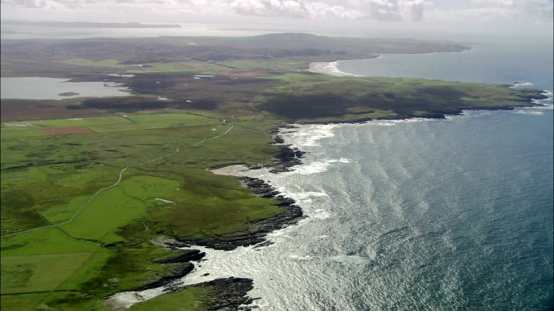
Islay peat is renowned for its intense, often medicinal, iodine-rich, and maritime character. The island’s peat bogs are heavily influenced by their proximity to the sea, incorporating seaweed and salt spray into their composition. This results in whiskies that can evoke imagery of roaring bonfires on a stormy beach, with notes of tar, brine, and antiseptic. Iconic Islay distilleries each offer their own interpretation, from the robust and earthy to the sweetly smoky and medicinal.
Other Scottish Peat Regions: A Broader Palette
- Orkney Islands: Peat from Orkney is typically less dense and contains more heather and floral elements, leading to a softer, sweeter smoke profile compared to Islay. Whiskies from this region often exhibit a delicate balance of smoke, honey, and floral notes.
- Highlands/Speyside: While less common, some Highland and Speyside whiskies are peated, often using peat from inland bogs. This peat tends to be more woodsy, earthy, and drier, imparting a lighter, often fruitier smoke that complements the region’s typically sweeter, more delicate spirit styles.
- Campbeltown: Once a major whisky hub, Campbeltown produces a distinctive oily, salty, and slightly smoky style. Its peat character is often described as having a damp, industrial smoke with notes of sea spray and a hint of funk.
Global Peat: Expanding Horizons
Beyond Scotland, distilleries in countries like Japan, Ireland, and even the United States are experimenting with peated malts, sometimes importing Scottish peat or using local sources. This global expansion introduces new dimensions, as local water sources, yeast strains, and maturation climates further interact with the peated character, creating truly unique expressions that push the boundaries of traditional peated whisky.
| Region | Dominant Peat Profile | Key Flavor Descriptors |
|---|---|---|
| Islay | Maritime, Dense, Earthy | Iodine, Tar, Brine, Bonfire Smoke, Medicinal |
| Orkney | Heather, Floral, Lighter | Sweet Smoke, Heather, Honey, Citrus |
| Highlands/Speyside | Woodsy, Earthy, Drier | Light Smoke, Fruit, Cereal, Spice |
| Campbeltown | Oily, Salty, Industrial | Damp Earth, Sea Spray, Engine Oil, Funk |

Mastering the Malt: Tasting and Appreciating Peated Whisky
For many, peated whisky is an acquired taste, but for enthusiasts, it’s a profound sensory journey. To truly appreciate its complexities, one must approach it with an open mind and a structured tasting methodology. Beyond the initial blast of smoke, a world of nuanced flavors awaits, from sweet fruit and vanilla to rich spice and maritime salinity.
The Art of Tasting Peated Whisky
Proper tasting technique is crucial to unlock the full spectrum of flavors. Start by observing the color, then nose the whisky gently, allowing the aromas to unfold. The first sip should be small, letting the liquid coat your palate. Note the initial impact, the development of flavors, and the lingering finish. Adding a few drops of water can “open up” the whisky, releasing more volatile aromatic compounds and softening the alcohol burn, allowing subtler notes to emerge.
Technical Checklist for Peated Whisky Appreciation:
- Glassware: Use a tulip-shaped glass (e.g., Glencairn) to concentrate aromas.
- Visual Inspection: Note the color – often indicative of cask type and age.
- Nosing: Approach cautiously. Identify primary smoke characteristics (tar, ash, bonfire, medicinal), then seek out underlying notes (fruit, vanilla, spice, maritime).
- Palate: Take a small sip. Let it rest on the tongue. Evaluate intensity, texture (oily, watery), and flavor progression. Is the smoke integrated or dominant?
- Finish: How long do the flavors linger? What new notes emerge as the whisky fades?
- Water Addition: Experiment with a few drops of non-chlorinated water. Does it enhance or diminish certain characteristics?
- Food Pairings: Consider pairings that complement or contrast the smoke. Strong cheeses, smoked meats, dark chocolate, or even oysters can create intriguing combinations.
Beyond the Smoke: Unveiling Hidden Depths
The beauty of peated whisky lies in its layers. While smoke is the dominant characteristic, it’s rarely the only one. Beneath the peat, you might discover notes of citrus, green apple, stone fruit, vanilla, caramel, nuts, or even floral hints. The interaction of peat with different cask types (e.g., sherry casks adding dried fruit and spice, bourbon casks contributing vanilla and coconut) creates endless variations. Learning to look past the initial smoky shock allows you to appreciate the distillery character, the influence of the wood, and the overall balance of the spirit. It’s about understanding how the “soul of the smoky island” harmonizes with other elements to create a truly complete and captivating experience.

Pro Tips for Peated Whisky Enthusiasts
Navigating the vast and varied world of peated whisky can be an incredibly rewarding experience. Whether you’re a seasoned connoisseur or just beginning your smoky journey, these expert insights will help you deepen your appreciation, make informed choices, and avoid common pitfalls.
Expert Advice for Your Peated Journey
- Start Mild, Go Wild: If new to peat, don’t jump straight to the highest PPM expressions. Begin with whiskies that offer a lighter, more integrated smoke (e.g., some Highland or Campbeltown peated malts) and gradually explore more intense Islay offerings. This allows your palate to adapt and appreciate the nuances.
- Explore Regional Differences: Don’t limit yourself to just one region. Experiment with peated whiskies from Islay, Orkney, Campbeltown, and even international distilleries. Each region’s unique peat and production methods create distinct flavor profiles worth discovering.
- Consider Cask Influence: Peated whiskies matured in different cask types (ex-bourbon, ex-sherry, wine casks) will present vastly different flavor profiles. A sherry-matured peated whisky often introduces a beautiful balance of fruit and smoke, while ex-bourbon can highlight vanilla and spice.
- Water is Your Friend: Always have a glass of still water nearby. A few drops can dramatically alter the aroma and taste profile of a high-proof peated whisky, revealing hidden complexities and making it more approachable.
- Pairing Power: Peated whiskies are fantastic with food. Experiment with pairings like strong blue cheeses, smoked salmon, dark chocolate, or even barbecued meats. The smoke can either complement or cut through rich flavors, creating exciting gastronomic experiences.
- Store Properly: Like all whiskies, store your peated bottles upright in a cool, dark place to prevent cork degradation and maintain flavor integrity.
- Join a Community: Engage with online forums, local whisky clubs, or tasting groups. Sharing experiences and notes with other enthusiasts can enhance your learning and introduce you to new bottles.
- Trust Your Palate: Ultimately, personal preference is king. Don’t feel pressured to like what everyone else does. Explore, experiment, and enjoy the journey of discovering what you love in peated whisky.
Frequently Asked Questions (FAQ)
- What exactly is peat, and how does it make whisky smoky?
- Peat is decomposed vegetation, like mosses, heather, and sedges, found in bogs. When used as fuel to dry malted barley, the smoke released contains phenolic compounds. These phenols attach to the barley, imparting the characteristic smoky, medicinal, and earthy flavors that define peated whisky. The intensity depends on the peat’s origin and the duration of exposure.
- Is peated whisky always from Scotland?
- While Scotland, particularly Islay, is famous for its peated whiskies, it’s not exclusively Scottish. Distilleries in countries like Ireland, Japan, India, and the United States are increasingly producing peated whiskies, sometimes by importing peated malt or using local peat sources. These global expressions offer unique interpretations of the smoky style.
- What does “PPM” mean in relation to peated whisky?
- PPM stands for “parts per million” and refers to the concentration of phenolic compounds in the malted barley after it has been dried over a peat fire. A higher PPM generally indicates a more intensely peated malt, though the perceived smokiness in the final bottled whisky can be influenced by other factors like distillation and maturation.
- Why do some peated whiskies taste medicinal or like “band-aids”?
- The medicinal or antiseptic notes often found in heavily peated whiskies (especially from Islay) come from specific phenolic compounds like cresol and guaiacol. These compounds are naturally present in peat smoke and are highly volatile, contributing to these distinct aromas and flavors. It’s a hallmark of certain peated styles and is often highly prized by enthusiasts.
- Can peated whisky be aged in any type of cask?
- Yes, peated whisky can be aged in a variety of cask types, and the choice of cask significantly influences the final flavor profile. Common choices include ex-bourbon barrels (adding vanilla, caramel), ex-sherry butts (contributing dried fruit, spice), and sometimes wine casks or virgin oak. The interaction between the peat smoke and the wood flavors creates complex and diverse expressions.
- 0
- By finet52
- April 17, 2026 12:33 PM