Taste memories under the Mediterranean sun: a pot of “authentic” paella from Valencia
Having recently returned from Valencia, Spain, my stomach and memory are still reeling from the delicious pots of rice. You may have heard of “Paella,” but did you know that it was born in Valencia? And the “original” version of the dish is likely to be nothing like the shellfish-filled version you get in touristy areas.
Eat the rice from where it comes from
As early as the 12th century, the Arabs introduced rice to Valencia. This fertile land near the sea has a mild climate and convenient irrigation, and soon became one of the main rice producing areas in Spain. Today, the rice fields in the province of Valencia cover more than 9,000 hectares, accounting for one-third of the country’s rice production. The most famous growing areas include the Albufeira Natural Park and the Sueca area.
The rice produced here is strictly protected and has the Denominación de Origen certification. The most popular one is Bomba rice – small and round, it absorbs water well, and the rice is soft and tasty when cooked, it is perfect for paella.
Food Tips: In addition to Bomba rice, Bahía and Senia are also good rice varieties commonly used locally and can be easily purchased in markets or supermarkets in Valencia.
There is no seafood in “paella”? The Valencian people insist on
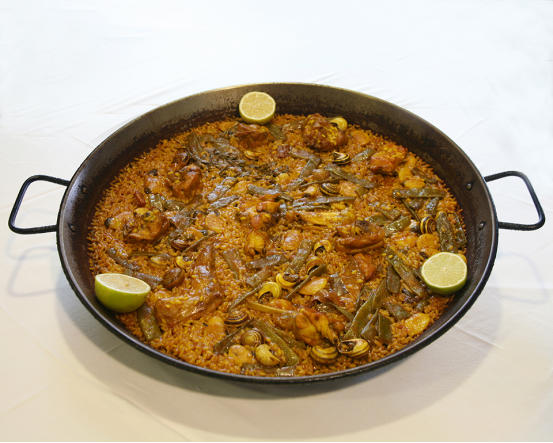
In Valencia, locals will tell you seriously: “Authentic paella should not contain fish or shellfish.” Their “Paella Valenciana” is actually a meat-based stew with simple ingredients, but it pays great attention to the heat and balance of ingredients.
The main characters of this dish are chicken and rabbit, as well as a local bean called Garrofó, which is large, strong, slightly powdery, and paired with green beans, tomatoes and herbs. The seasoning is mainly saffron and rosemary, which is elegant but very layered.
In Valencia, locals usually eat paella around huge pots during festivals or family gatherings, especially during the Fallas festival in spring, when the aroma of rice and spices can be smelled in the streets.
How to Make One-Pot Traditional Valencian Paella
This is a recipe for 6–8 people. It takes about 1.5 hours to cook and requires the following ingredients:
Materials List:
Chicken (about 1.5 kg), cut into pieces
Rabbit meat (about 1.2 kg), cut into pieces
300 g lentils, cut into pieces
200g dried white beans (such as Gallo Beans), soaked for 12 hours
6 small artichokes, cut into quarters
2 ripe tomatoes, chopped
1 tablespoon olive oil
500 g Valencian round rice (such as Bomba)
About 1 liter of water
1 teaspoon saffron (or saffron powder)
Sweet paprika 1 tsp
Salt to taste
2 sprigs fresh rosemary
1 lemon, sliced for garnish
Cooking steps:
Heat olive oil in a large paella pan. Sear chicken and rabbit until golden brown and set aside.
Add lentils and artichokes and fry until lightly charred and pushed to the side of the pan.
Add chopped tomatoes to the middle and sauté until fragrant. Then mix all ingredients in the pot and add beans, saffron, red pepper powder and salt to taste.
Add water and bring to a boil, then simmer over medium heat for 30 minutes. During this time, you can add water to maintain the soup.
Sprinkle the rice into the pot in a “cross shape” (to facilitate even distribution later), turn to high heat and cook for 5 minutes.
After spreading the rice evenly, turn to low heat and continue cooking for about 20 minutes, until the rice is cooked but not mushy.
Before serving, garnish the edge of the pot with rosemary sprigs and lemon wedges and serve!
Tips: The soul of this pot
Controlling the heat is crucial : heat it high first and then slowly, so that the rice is cooked through but not sticking to the bottom.
Don’t stir the rice at will : Don’t stir the rice during cooking, so that the golden “Socarrat” (rice crust) at the bottom of the pot will form, which is the essence of the rice!
The finishing touch of rosemary : add it last to enhance the flavor without overpowering the taste.
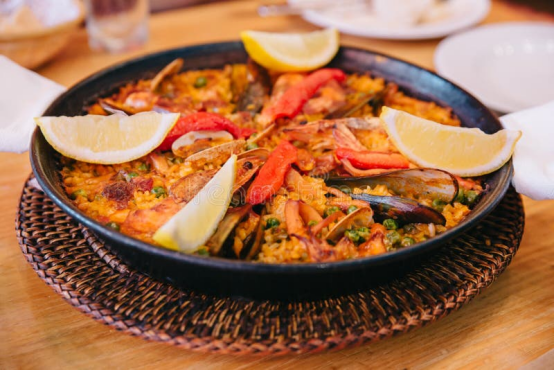
This dish didn’t have shrimps and mussels , but if you want to try a “fusion version” of paella, that’s another story .
Conclusion: The urban character of one-pot meals
The authentic Valencian paella does not rely on exaggerated ingredients, but shows the power of the land and the wisdom of life through simple ingredients and precise cooking time. It is not complicated, but exquisite; it is not ostentatious, but unforgettable.
Whether you are a cooking enthusiast or just want to taste the “real Spain”, this pot of rice is worth your serious attention.