The Ultimate Guide to European Kitchen Staples: Béchamel Sauce & Irish Soda Bread
Welcome to the definitive guide on two of Europe’s most cherished culinary cornerstones: the classic Irish soda bread and the foundational French Béchamel sauce. While one is a hearty, rustic loaf and the other a creamy, versatile sauce, both represent the heart of home cooking—simple ingredients transformed into something truly special. This pillar page will take you on a comprehensive journey, exploring the history, science, and technique behind each recipe. We will provide exhaustive, step-by-step instructions, troubleshoot common problems, and explore delicious variations, empowering you to make both of these staples a permanent part of your culinary repertoire.
Whether you’re looking to bake a quick, no-yeast bread to accompany a stew or create a luxurious sauce for lasagna or croque monsieur, mastering these recipes is a fundamental skill. We will delve into the critical interaction between buttermilk and baking soda that gives soda bread its unique texture and the precise method for creating a perfect, lump-free roux for your Béchamel. Prepare to elevate your cooking from the ground up.
The Art of Irish Soda Bread: A Rustic Classic
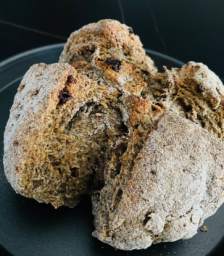
Irish soda bread is a beloved staple known for its dense, satisfying crumb and wonderfully crisp crust. Unlike many other breads, it is a “quick bread,” meaning it uses a chemical leavening agent instead of yeast. This makes it incredibly fast and straightforward to prepare, requiring no lengthy proofing or rising times. Its simplicity is its greatest strength, born from a history of necessity and resourcefulness.
What is Irish Soda Bread? A Brief History
The origins of soda bread are tied to the introduction of bicarbonate of soda (baking soda) to Ireland in the mid-19th century. During a time of economic hardship, this new, inexpensive leavening agent was a game-changer. It allowed families to bake bread using the soft wheat flour that was readily available, which was not well-suited for yeasted breads. Combined with acidic buttermilk, a common byproduct of butter making, the baking soda created a reliable chemical reaction that produced a hearty, filling loaf with minimal fuss and basic ingredients. The cross cut into the top was not just for decoration; tradition holds it was to “let the fairies out” and ward off evil, though it also practically helps the loaf cook through evenly.
The Science Behind the Rise: Buttermilk and Baking Soda
The magic of Irish soda bread lies in a simple acid-base reaction. Baking soda (sodium bicarbonate) is an alkali. When it is mixed with an acid—in this case, the lactic acid in buttermilk—it produces carbon dioxide gas. These tiny gas bubbles become trapped within the dough, causing it to expand and rise during baking. This reaction happens almost immediately upon mixing the wet and dry ingredients, which is why it’s crucial to work quickly and get the loaf into the oven without delay. Over-mixing or letting the dough sit for too long will cause the gas to dissipate, resulting in a flat, dense bread.
Essential Ingredients for Authentic Irish Soda Bread
True Irish soda bread is beautifully minimalist. While many modern recipes include eggs, butter, or sugar, the traditional form relies on just four core components:
- All-Purpose Flour: Soft wheat flour is traditional, and modern all-purpose flour works perfectly. There is no need for high-protein bread flour, as you want to minimize gluten development for a tender crumb.
- Baking Soda: The sole leavening agent. Ensure it is fresh, as old baking soda loses its potency.
- Salt: Essential for flavor. It balances the tang of the buttermilk and enhances the overall taste of the bread.
- Buttermilk: The acidic liquid that activates the baking soda. Its tang also contributes significantly to the bread’s characteristic flavor. If you don’t have buttermilk, you can make a substitute by adding one tablespoon of lemon juice or white vinegar to one cup of whole milk and letting it sit for 10 minutes.
Step-by-Step Guide to Baking the Perfect Loaf
Follow these steps meticulously for a flawless loaf every time. The key is to handle the dough as little as possible.
- Preheat and Prepare: Preheat your oven to 425°F (220°C). Lightly flour a baking sheet or line it with parchment paper.
- Combine Dry Ingredients: In a large bowl, whisk together 4 cups of all-purpose flour, 1 teaspoon of baking soda, and 1 teaspoon of salt. This ensures the leavening agent is evenly distributed.
- Add Buttermilk: Make a well in the center of the dry ingredients and pour in 1.75 cups of buttermilk. Use a fork or your hands to mix until a shaggy, sticky dough forms. Do not over-mix; stop as soon as the flour is incorporated.
- Shape the Dough: Turn the dough out onto a lightly floured surface. Gently knead it just 2-3 times to bring it together into a round ball. Over-kneading will develop gluten and make the bread tough.
- Score and Bake: Place the dough on your prepared baking sheet and flatten it slightly into a disc about 1.5-2 inches thick. Use a sharp knife to cut a deep cross on top, about half an inch deep.
- Bake to Perfection: Bake for 15 minutes at 425°F (220°C), then reduce the oven temperature to 350°F (175°C) and bake for another 25-30 minutes. The loaf is done when it’s golden brown and sounds hollow when you tap the bottom.
- Cool: Let the bread cool on a wire rack before slicing. This allows the crumb to set properly.
Mastering Béchamel: The Versatile Mother Sauce
Béchamel is one of the five “mother sauces” of French cuisine, a foundational element from which countless other sauces are born. At its core, it is a simple milk-based sauce thickened with a white roux. Its neutral, creamy profile makes it an incredibly versatile component in dishes ranging from lasagna and gratins to soufflés and creamy soups. Mastering Béchamel is a non-negotiable skill for any serious home cook, as it opens the door to a vast world of culinary possibilities.
Understanding Béchamel’s Role in French Cuisine
Named after Louis de Béchamel, a financier who held the post of chief steward to King Louis XIV’s household, the sauce is a pillar of classical cooking. It serves as a base that can be enriched with cheese (for a Mornay sauce), onions (for a Soubise sauce), or other flavorings. Its primary function is to provide a rich, creamy texture and bind ingredients together. Unlike sauces thickened with cornstarch, a properly made Béchamel has a superior silky mouthfeel and a rich flavor from the cooked butter and flour of the roux.
The Perfect Roux: Your Foundation for a Flawless Sauce
The success of your Béchamel depends entirely on the roux, a paste made from equal parts fat (usually butter) and flour. The roux not only thickens the sauce but also contributes a subtle, nutty flavor.
- The Ratio: The standard ratio for a medium-thick Béchamel is equal parts butter and flour by weight. A common starting point is 2 tablespoons of butter to 2 tablespoons of flour for every 1 cup of milk.
- Cooking the Roux: For a classic Béchamel, you need a “white roux.” This means you melt the butter, whisk in the flour, and cook the mixture over medium-low heat for only 2-3 minutes. The goal is to cook out the raw flour taste without allowing the roux to brown. It should smell nutty and be a pale, straw-like color.
Step-by-Step Instructions for a Silky Béchamel
The key to a lump-free Béchamel is temperature control and constant whisking. The rule of thumb is to add a cool liquid to a hot roux, or a hot liquid to a cool roux. Using cold or room-temperature milk with a hot roux is the most common method.
- Make the Roux: In a heavy-bottomed saucepan, melt 2 tablespoons of unsalted butter over medium-low heat. Whisk in 2 tablespoons of all-purpose flour until a smooth paste forms. Cook, whisking constantly, for 2 minutes.
- Incorporate the Milk: Gradually add 1 cup of cold or room-temperature milk, a small splash at a time. Whisk vigorously after each addition to fully incorporate the milk into the roux before adding more. This initial, slow process is critical for preventing lumps.
- Thicken the Sauce: Once all the milk has been added and the sauce is smooth, increase the heat to medium. Continue to whisk as the sauce comes to a simmer. Let it gently simmer for 5-8 minutes to thicken and allow the flavors to meld. The sauce should be thick enough to coat the back of a spoon.
- Season at the End: Remove the sauce from the heat. Season with salt, white pepper, and a pinch of freshly grated nutmeg. Seasoning at the end prevents the salt from over-concentrating as the sauce reduces.
Troubleshooting Common Béchamel Problems
Even simple sauces can present challenges. Here’s how to fix them:
- Lumpy Sauce: The most common issue, caused by adding milk too quickly or not whisking enough. To fix it, simply pass the sauce through a fine-mesh sieve. For very lumpy sauces, an immersion blender can also be used.
- Sauce is Too Thin: It likely hasn’t simmered long enough. Continue to cook it over low heat. If it’s still too thin, you can create a small amount of extra roux (a “beurre manié” – a paste of equal parts soft butter and flour) and whisk it into the simmering sauce bit by bit until the desired consistency is reached.
- Sauce Tastes Like Flour: The roux was not cooked long enough. Unfortunately, this cannot be fixed after the milk is added. Next time, ensure you cook the roux for at least 2 minutes before adding liquid.
Pairing and Serving Your Homemade Creations
Now that you have perfected these two staples, the possibilities for enjoying them are endless. They can be served together or as star components in a wide variety of meals, showcasing their incredible versatility in the kitchen.
How to Serve Irish Soda Bread
The dense, tight crumb of Irish soda bread makes it exceptionally versatile. It is sturdy enough to stand up to hearty dishes and delicious enough to be enjoyed on its own. Consider these classic and creative serving suggestions:
- With Soups and Stews: Its primary role is as the perfect vehicle for sopping up rich broths. It is the classic accompaniment to Irish stew, beef and Guinness stew, or any hearty vegetable soup.
- For Breakfast: Toasted slices of soda bread are magnificent. Serve them warm, slathered with high-quality salted butter and marmalade, jam, or honey.
- As a Sandwich Base: Use thick slices to build a rustic sandwich. It pairs beautifully with sharp cheddar cheese, smoked salmon with cream cheese and dill, or a simple corned beef filling.
Culinary Applications for Béchamel Sauce
Béchamel is the backbone of countless classic comfort food dishes. Its creamy texture and mild flavor allow it to bind, enrich, and elevate other ingredients without overpowering them.
- Pasta Dishes: It is the essential creamy layer in a traditional Lasagna Bolognese and the base for an authentic Fettuccine Alfredo (when combined with Parmesan). It’s also the foundation of any classic baked macaroni and cheese.
- Gratins and Bakes: Use it to coat vegetables like potatoes, cauliflower, or fennel before baking for a classic gratin dauphinois or cauliflower cheese.
- Classic French Dishes: It’s the key ingredient in a Croque Monsieur sandwich and the base for cheese soufflés.
Advanced Tips and Storage for Longevity
Proper storage is key to enjoying your homemade creations beyond the first day. Both soda bread and Béchamel can be prepared and stored with a little planning, making your meal prep easier and more efficient.
Storing and Reheating Irish Soda Bread
Irish soda bread is best enjoyed on the day it is baked, but it can be stored properly to extend its life. To store, allow the loaf to cool completely on a wire rack. Once cool, wrap it tightly in plastic wrap or place it in an airtight container. It will keep at room temperature for up to 3 days. Do not refrigerate it, as this can cause it to stale faster. To reheat and refresh the crust, place a slice in a toaster or warm the entire loaf in a 350°F (175°C) oven for 10-15 minutes.
Making Béchamel Ahead: Freezing and Reheating Tips
Béchamel can be made ahead of time and stored. To store in the refrigerator, press a piece of plastic wrap directly onto the surface of the sauce to prevent a skin from forming. It will last for up to 5 days. To reheat, gently warm it in a saucepan over low heat, whisking constantly. You may need to add a small splash of milk to restore its original consistency. Béchamel can also be frozen for up to 3 months, though its texture may change slightly upon thawing. Thaw it in the refrigerator overnight and reheat as described above, whisking vigorously to re-emulsify the sauce.
Frequently Asked Questions (FAQ)
- Can I make Irish soda bread without buttermilk?
- Yes, you can create a substitute. The key is the acid needed to react with the baking soda. For every 1 cup of milk, stir in 1 tablespoon of white vinegar or lemon juice. Let the mixture stand for 5-10 minutes until it curdles slightly. This “soured milk” will function just like buttermilk in the recipe.
- Why is my Béchamel sauce lumpy?
- Lumps are almost always caused by adding the liquid to the roux too quickly. The roux needs time to absorb the liquid and dissolve smoothly. To prevent this, add the first cup of milk just a few splashes at a time, whisking vigorously to create a smooth, thick slurry before gradually whisking in the rest of the liquid. If it’s already lumpy, you can usually save it by passing it through a fine-mesh sieve.
- What is the difference between a white, blond, and brown roux?
- The difference is simply the cooking time. A white roux, used for Béchamel, is cooked for only 2-3 minutes to eliminate the raw flour taste without adding color. A blond roux is cooked a bit longer (5-6 minutes) until it takes on a light nutty aroma and color, used for sauces like velouté. A brown roux is cooked the longest (10-15 minutes or more) until it is deeply colored and very nutty, and is the foundation for gumbos and Creole dishes. Note that the longer a roux cooks, the less thickening power it has.
- Can I add herbs or spices to my soda bread or Béchamel?
- Absolutely. For soda bread, you can add 1-2 teaspoons of caraway seeds, rosemary, or thyme to the dry ingredients for a savory loaf. For a sweeter version, add a few tablespoons of sugar and a cup of raisins or currants. For Béchamel, you can infuse the milk before making the sauce by gently warming it with a bay leaf, a halved onion studded with a few cloves, and peppercorns. Simply strain the milk before adding it to the roux for a more complex flavor.