The Ultimate Guide to Authentic Irish Lamb Stew
This article is an expanded and upgraded version of the following source:
The Ultimate Guide to Authentic Irish Lamb Stew
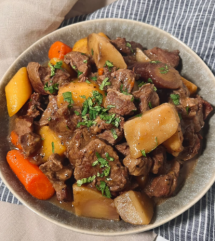
Irish Lamb Stew is more than just a meal; it’s a cornerstone of culinary tradition, a hearty embrace in a bowl that tells a story of history, resourcefulness, and comfort. Originating as a simple, rustic dish, it has evolved into a beloved classic celebrated for its rich flavors and soul-warming properties. This comprehensive guide will walk you through every aspect of creating the perfect Irish Lamb Stew, from understanding its history and selecting the right ingredients to mastering the cooking process with expert tips and techniques. Whether you’re a seasoned cook or a kitchen novice, you’ll find everything you need to make a stew that’s both authentic and unforgettable.
The Heart of Irish Cuisine: What is Irish Lamb Stew?
At its core, Irish stew is a simple, slow-cooked dish. Historically, it was a peasant food made with the most readily available ingredients: mutton (meat from older sheep), onions, and potatoes, all layered in a pot with water and simmered for hours. This long, slow cooking process was key to tenderizing the tough mutton.
A Brief History of a Humble Dish
The origins of Irish stew are rooted in the 19th century, a time when economy and sustenance were paramount. Sheep were primarily raised for their wool and milk, so only older animals (mutton) were used for meat. The potatoes, a staple crop in Ireland, served as both a vegetable and a natural thickener, breaking down during the long cooking time to create a rich, hearty broth. The simplicity of the original recipe reflects a culinary tradition built on making the most of what the land provided.
Traditional vs. Modern Interpretations
While traditionalists argue that true Irish stew contains nothing more than mutton, potatoes, onions, and water, modern recipes have embraced a wider range of ingredients. Today, more tender lamb is often used instead of mutton. Many popular versions, like the one we’ll explore, include root vegetables like carrots and celery for sweetness and color, and aromatics like garlic, thyme, and rosemary. The most significant modern addition is often a dark beer like Guinness, which adds a malty depth and complexity that complements the rich lamb flavor beautifully.

Essential Ingredients for an Authentic Flavor Profile
The quality of your stew is directly tied to the quality of your ingredients. While the list is straightforward, understanding the role of each component is crucial for achieving a balanced and deeply flavorful dish.
Selecting the Right Cut of Lamb
The best cut for a long, slow-cooked stew is lamb shoulder. It has a perfect balance of meat and fat, along with connective tissue that breaks down during cooking into rich gelatin. This process not only makes the meat incredibly tender but also adds body and a silky texture to the stew. While you can use leg of lamb, it is leaner and can become dry if overcooked. For best results, buy a boneless lamb shoulder and cut it into 1.5 to 2-inch cubes yourself.
The Vegetable Foundation: Potatoes, Carrots, and Onions
The vegetable base, often called a mirepoix, is fundamental.
- Potatoes: Russet potatoes are an excellent choice. Their high starch content means they will partially break down, naturally thickening the stew and giving it a creamy consistency.
- Onions & Carrots: These provide the foundational sweet and savory notes. Yellow onions offer a balanced flavor, while carrots add a touch of sweetness and vibrant color.
- Celery & Garlic: Celery adds a subtle, earthy bitterness that balances the richness of the lamb, while garlic provides a pungent, aromatic kick.
Building the Broth: Guinness, Stock, and Aromatics
The liquid you use is the soul of the stew.
- Guinness Stout: This is a popular modern addition that imparts a deep, roasted, and slightly bitter flavor that is quintessentially Irish.
- Beef or Lamb Broth: A high-quality broth forms the savory backbone of the stew. Beef broth is more common and accessible, but lamb broth will intensify the lamb flavor.
- Herbs: Fresh thyme, rosemary, and a bay leaf are classic choices. They release their flavors slowly during the long simmer, adding layers of earthy aroma without overpowering the dish.

Step-by-Step Guide to the Perfect Stew
This detailed process breaks down the recipe into manageable stages, explaining the “why” behind each step to ensure a flawless result.
Step 1: Preparation and Searing the Lamb
Begin by patting your lamb cubes dry with a paper towel. This is crucial for getting a good sear. Toss the lamb in a mixture of all-purpose flour, salt, and black pepper. The flour helps create a brown crust and will later serve to thicken the stew. Heat olive oil in a large Dutch oven or heavy-bottomed pot over medium-high heat. Working in batches, sear the lamb on all sides until deeply browned. Do not overcrowd the pan, as this will cause the meat to steam rather than sear. The browning process, known as the Maillard reaction, creates complex, savory flavors that are essential to the final dish. Set the seared lamb aside.
Step 2: Building the Aromatic Base
In the same pot, add the chopped onions, carrots, and celery. Sauté for 5-7 minutes, until the vegetables have softened and the onions are translucent. Scrape the bottom of the pot to lift any browned bits left from the lamb. Add the minced garlic and cook for another minute until fragrant.
Step 3: Deglazing and Creating the Braising Liquid
Pour the Guinness stout into the pot to deglaze. Use a wooden spoon to scrape up any remaining flavorful browned bits (the “fond”) from the bottom. Let the beer simmer for a few minutes to cook off some of the alcohol. Stir in the beef broth, Worcestershire sauce, thyme, rosemary, and bay leaf. Bring the liquid to a simmer.
Step 4: The Low and Slow Simmer
Return the seared lamb to the pot. The liquid should almost cover the meat. Bring the stew to a gentle simmer, then reduce the heat to low, cover the pot, and let it cook for at least 1.5 hours. This long, slow cooking time is what tenderizes the lamb shoulder.
Step 5: Adding Potatoes and Finishing
After 1.5 hours, add the peeled and cubed potatoes to the stew. Stir gently, ensure the potatoes are mostly submerged, and continue to simmer, covered, for another 30-45 minutes, or until both the lamb and potatoes are fork-tender. Remove the bay leaf and herb stems. Taste the stew and adjust the seasoning with salt and pepper as needed. Let it rest for a few minutes before serving.

Expert Tips for an Unforgettable Irish Stew
Elevate your stew from good to great with these professional insights.
- Make It a Day Ahead: Like many stews, Irish Lamb Stew tastes even better the next day. Allowing it to rest overnight in the refrigerator lets the flavors meld and deepen.
- Use a Heavy-Bottomed Pot: A Dutch oven is ideal for this recipe. Its heavy construction provides even heat distribution, which prevents scorching and is perfect for both searing and slow simmering.
- Don’t Skip the Sear: Searing the lamb is a non-negotiable step. It builds the foundational layer of flavor for the entire dish. Take your time and get a deep, brown crust on the meat.
- Adjusting Consistency: If your stew is too thin, you can simmer it uncovered for the last 15-20 minutes to allow some liquid to evaporate. If it’s too thick, simply stir in a bit more broth until it reaches your desired consistency.
- Serving Suggestions: The classic pairing is with crusty bread for sopping up every last drop of the rich gravy. It’s also wonderful served with a side of Irish soda bread or over mashed potatoes (colcannon).

Ingredient Variations and Substitutions
While this recipe offers a fantastic modern take on a classic, there’s always room for customization. Understanding the role of each component allows you to make intelligent substitutions based on your preferences or what’s available.
| Component | Classic Choice | Common Alternative | Flavor/Texture Impact |
|---|---|---|---|
| Meat | Lamb Shoulder | Beef Chuck | Creates a classic Beef & Guinness Stew. Beef provides a different, but equally rich, savory flavor profile. Cooking time will be similar. |
| Liquid | Guinness Stout | Dry Red Wine or More Broth | Red wine adds acidity and fruity notes. Using only broth will result in a lighter, purely savory stew without the malty depth of the beer. |
| Thickener | Flour Dredge & Potatoes | Cornstarch Slurry | If you need extra thickening at the end, a slurry (1 tbsp cornstarch mixed with 2 tbsp cold water) can be stirred in. It’s a quick fix but lacks the flavor of a flour roux. |
| Vegetables | Carrots, Celery | Parsnips, Turnips, or Leeks | Parsnips add a distinct sweet, earthy flavor. Turnips offer a slightly peppery note. Leeks can provide a milder, sweeter onion flavor. |

Frequently Asked Questions (FAQ)
- Why is my lamb tough?
- Tough lamb in a stew is usually due to one of two reasons: either it wasn’t cooked long enough, or the heat was too high. Lamb shoulder needs a long, slow, and gentle simmer (not a rolling boil) for its connective tissues to break down into tender gelatin. If your lamb is tough, simply continue simmering it on low heat until it becomes fork-tender.
- Can I make this in a slow cooker or Instant Pot?
- Absolutely. For a slow cooker, complete the searing and deglazing steps on the stovetop, then transfer everything to the slow cooker and cook on low for 6-8 hours. For an Instant Pot, use the “Sauté” function for searing and building the base, then pressure cook on high for 35-40 minutes, followed by a natural release.
- What is the difference between Irish stew and other lamb stews?
- The primary difference lies in the simplicity and core ingredients. Traditional Irish stew is very minimalist. Other European lamb stews, like a French navarin, often include a wider variety of spring vegetables like peas and turnips and may be flavored with tomato and white wine instead of dark beer and root vegetables.
- How do I store and reheat leftover stew?
- Allow the stew to cool completely before transferring it to an airtight container. It can be stored in the refrigerator for up to 4 days or frozen for up to 3 months. To reheat, gently warm it in a pot over low heat on the stovetop, stirring occasionally. Avoid microwaving, as it can make the lamb rubbery.
- Can I use lamb chops instead of stew meat?
- It’s not recommended. Lamb chops are leaner cuts that are best suited for quick, high-heat cooking methods like grilling or pan-searing. They will likely become dry and tough during the long simmering time required for a stew. Stick with tougher, more marbled cuts like the shoulder for the best results.