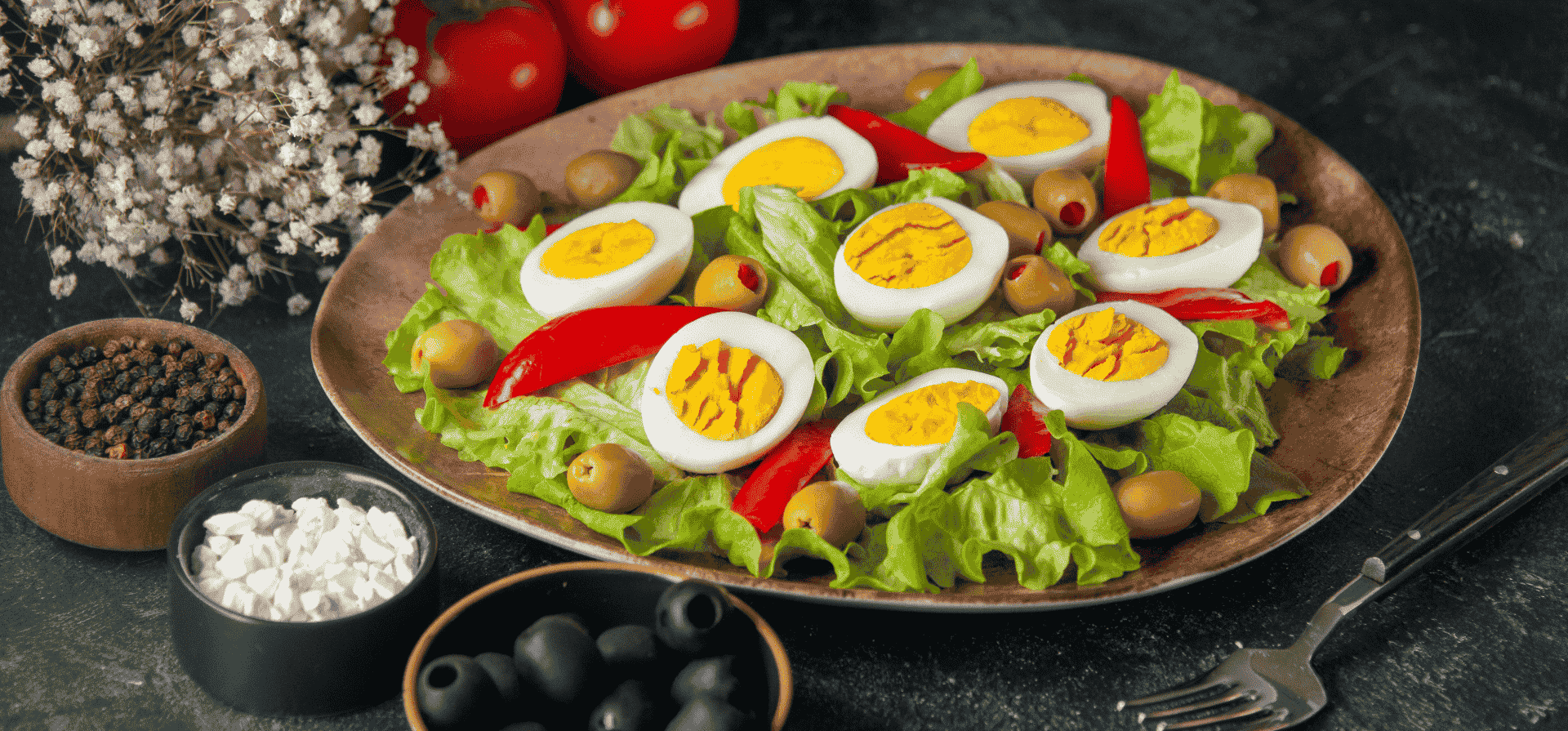

The Multi-Sensory Symphony: Mastering the Art of Fine Dining
The Psychology of Taste and Memory
Dining is far more than the mere ingestion of nutrients; it is a complex psychological event that triggers deep-seated neurological responses. When we consume food, our brains map the experience across multiple neural pathways, linking flavors to specific memories, emotions, and past environments. This phenomenon, often referred to as “memory-flavor,” explains why certain dishes can instantly transport us back to childhood or specific life milestones.
The Mechanism of Nostalgia
Nostalgia in dining is governed by the olfactory bulb’s direct connection to the limbic system—the area of the brain responsible for emotion and memory. When we encounter a familiar scent or taste, the brain bypasses analytical processing, triggering an immediate emotional state.
- Contextual Anchoring: Flavors act as anchors for specific life events.
- Emotional Resonancy: The presence of comfort foods is linked to a reduction in stress hormones.
- Temporal Mapping: The brain categorizes flavors by the season or era in which they were first experienced.

The Quiet Moments We Overlook: How Silence Shapes the Dining Experience
Modern dining often prioritizes high-energy environments, yet the most sophisticated culinary experiences are defined by the presence of silence. At Le Saperlipopette, the strategic use of quiet spaces allows for a heightened focus on the palate, removing the cognitive load of ambient noise and allowing the diner to engage fully with the food’s subtle nuances.
The Impact of Acoustic Design
Acoustics determine the intimacy of a meal. High-decibel environments often result in “sensory fatigue,” where the brain struggles to process flavor profiles due to excessive auditory input. Conversely, controlled silence facilitates a deeper appreciation of the meal’s structural complexity.
| Environment Type | Cognitive Load | Flavor Perception |
|---|---|---|
| High Noise | High | Distorted/Muted |
| Controlled Quiet | Low | Enhanced/Heightened |

The Temperature Effect: How Warm and Cold Drinks Shape the Way We Taste
Temperature is a fundamental variable in sensory perception. It influences not only the physical state of food—such as viscosity and volatility—but also the speed at which taste receptors fire. Warmth tends to open up aromatic compounds, while cold can sharpen acidity and bitterness, creating a delicate balance that chefs manipulate to dictate the diner’s journey.
Thermal Manipulation in Beverage Pairing
Understanding the thermodynamics of taste allows for superior beverage pairing. A cold, sparkling drink, for instance, provides a tactile “pop” that resets the palate, effectively scrubbing the tongue of oils and fats, thereby preparing it for the next, more complex bite of food.

The Art of Umami: Unlocking the Fifth Taste
Umami, the savory “fifth taste,” is the cornerstone of satisfaction in fine dining. Beyond sweet, sour, salty, and bitter, umami provides a rounded, lingering quality that signals protein-rich, nourishing food to the human brain. Unlocking this taste requires careful ingredient selection and preparation methods that maximize glutamates.
Techniques for Umami Optimization
Chefs utilize fermentation, aging, and slow-cooking processes to concentrate umami. By layering ingredients that naturally possess high glutamate levels, such as mushrooms, aged cheeses, and broths, the chef creates a depth that simple seasoning cannot achieve.
Frequently Asked Questions (FAQ)
- Q1: Why does music affect how food tastes?
- Music influences the rate of consumption and the perception of texture. Fast-paced, high-frequency music can make food taste sharper or more acidic, while slow, low-frequency sounds enhance perceptions of creaminess and richness.
- Q2: How does lighting change the flavor profile?
- Visual cues set the expectation. Warm, dim lighting creates a sense of comfort, which subconsciously makes the diner more receptive to sweet or savory notes, whereas bright, cool lighting can make food appear more clinical, potentially heightening the perception of acidity.
- Q3: Is silence actually necessary for fine dining?
- While not strictly required, silence creates a “sensory vacuum” that allows the nervous system to focus exclusively on gustatory inputs, leading to a much more profound and memorable connection with the meal.
- Q4: How can I replicate a multisensory dining experience at home?
- Start by controlling your environment: dim the lights, curate a specific playlist that matches the mood of the dish, ensure the temperature of your drinks is intentional, and focus on the textural contrast of your ingredients.