Snail cuisine: Exploring the classic Escargot deliciousness in France
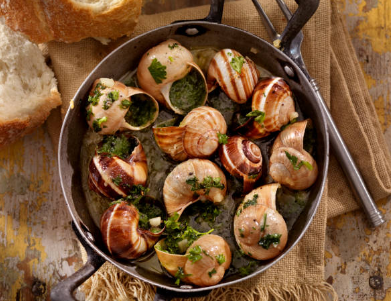
If you have ever walked the streets of France, especially in restaurants in Paris, you are likely to be attracted by a special dish—snails. It is not only a luxurious delicacy on the French dining table, but also a taste memory for many people. Escargot (French snail) has conquered the stomachs of diners around the world with its unique flavor and exquisite cooking techniques. Today, let’s explore this classic French delicacy together and see how it went from rural France to global dining tables.
Escargot: The History and Culture of French Snails
In France, snails are not just a delicacy; they have a profound historical and cultural background. As early as the ancient Roman period, snails had become a delicacy for the nobility and were even considered a health food. Over time, snails have gradually become a common ingredient on dining tables in various regions of France, especially in the Burgundy area, which is one of the birthplaces of snail cuisine.
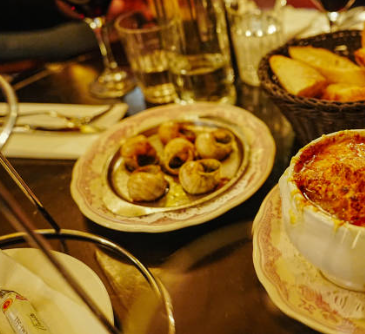
In Burgundy, people have already mastered how to perfectly blend snails with vanilla, garlic, and butter to create the classic escargot recipe. Nowadays, escargot is no longer an exclusive delicacy for aristocrats, but has become a frequent guest on restaurant menus around the world. Whether it’s a simple family gathering or a romantic dinner at a high-end restaurant, snail cuisine can bring diners a unique and wonderful experience.
Escargot’s classic approach
The most classic way to make escargot at home is to cook it with garlic butter and fresh herbs. Here are some common steps for making snails to help you easily master this French classic:
Material Science:
Fresh Snails (If made at home, you can choose frozen snails that have been cleaned thoroughly.)
Salt free butter
Fresh garlic
Fresh parsley
Sea salt and black pepper
Steps:
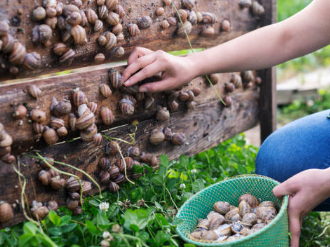
Cleaning Snails: If you are using raw snails, you need to thoroughly clean and remove impurities from their bodies first. Soak the snail in cold water for a few hours and change the water several times until the water becomes clear.
Prepare garlic butter: Melt an appropriate amount of butter in a pot, add chopped garlic and parsley, stir fry until fragrant. Season with salt and pepper to adjust the taste.
Filling Snails: Fill the prepared garlic butter into the snail shell to ensure that each snail can be soaked in the rich and fragrant butter.
Grilled Snails: Place the snails filled with butter in a preheated oven at 200°C and bake for about 10-15 minutes until the butter begins to bubble and the snail surface turns golden.
Enjoy the deliciousness: Roasted snails can be eaten directly; remember to pair them with some French baguettes to dip the remaining garlic butter on the plate; it’s simply a human delicacy.
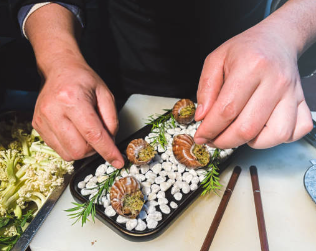
Diversity of Escargot
Although garlic butter snail is the most classic recipe, escargot has various variations and can be adjusted according to personal taste. For example, adding a small amount of white wine or spices can also add different layers to this dish.
In some restaurants, you may also see snails used to make soup or paired with other ingredients such as truffles, mushrooms, and even stewed with white wine and vanilla. No matter how it changes, snails are always a highly flavorful ingredient, with a soft and tender taste and a hint of sea flavor. Paired with rich butter and vanilla, it is simply the ultimate enjoyment for the taste buds.
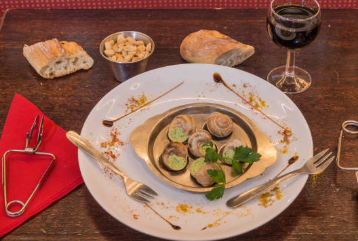
Why is escargot worth trying?
So, why should we try escargot? Not only because it is a luxurious French cuisine, but also because of its unique taste and rich nutritional value. Snails are rich in high protein and low fat, making them a very healthy meat choice. At the same time, it also contains abundant iron and calcium, which help to supplement the trace elements needed by the body.
In addition, escargot is also a very representative French cuisine. Trying this dish is not only a taste enjoyment, but also a cultural experience. Every bite of snail can make you feel the profound culinary traditions and unique cooking techniques of France.
Escargot, As a classic delicacy on French dining tables, it has long transcended the realm of simple food and become a cultural symbol. It not only brings people a pleasant surprise in taste, but also a profound experience of French culinary culture. If you haven’t tried this delicacy yet, why not give yourself a chance to taste this authentic French snail delicacy on your next trip or party.