
Russian Grand Leba: A Feast of Bread with Rich Wheat Aroma
In the dazzling starry sky of Russian culinary culture, Daliba is like a dazzling star, emitting a unique and charming charm. It is not only a frequent guest on the Russian dining table, but also an important symbol of Russian culture, carrying profound historical heritage and folk customs. Today, let’s step into the world of Da Leba together and savor this wheat flavored bread feast.
historical origin
The history of Daliba can be traced back several centuries. Bread has always been an important part of people’s lives on the vast land of Russia. In the early days, due to the cold climate in Russia and the long growth cycle of crops, flour became a precious resource. In order to store food and meet daily dietary needs, Russians invented the unique bread making method of Da Leba. Da Li Ba has a huge volume and undergoes long-term fermentation and baking during production, which allows it to be stored for a long time and is very suitable for the lifestyle of people at that time. With the passage of time, Daliba has gradually become a symbol of Russian food culture, and its presence can be seen in both bustling cities and remote rural areas.
Unique manufacturing process
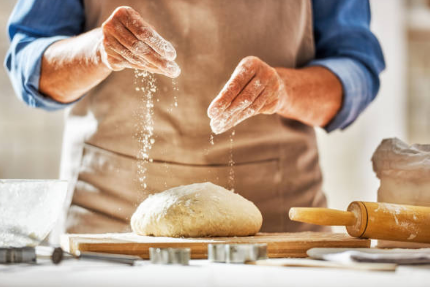
The production process of Daliba is very unique, and every step embodies the wisdom and craftsmanship of Russians. The first step is the selection of raw materials. High quality flour is the foundation of Da Leba, usually made from locally grown wheat in Russia, which has a high protein content and can give bread a tough texture and rich wheat aroma. In addition to flour, yeast, salt, water, and some unique spices such as fennel are also needed.
Fermentation is a crucial step in the production process. The traditional fermentation method in Russia uses natural yeast, which has a slower fermentation rate but can produce rich and complex flavors. After a long period of fermentation, the dough expands several times in volume and forms fine and uniform pores inside, which not only makes the taste of the barley soft, but also adds a unique sour taste, making its flavor more mellow.
After fermentation, shape the dough into a large oval or circular shape and bake it in a specially designed oven. Ovens usually use traditional brick and stone structures, fueled by wood. High temperatures can quickly form a golden and crispy outer layer on the large bar, while ensuring that the interior is fully cooked and kept moist. During the baking process, the aroma of bread permeates the air, making one’s mouth water.
Rich flavors and diverse eating methods
Da Li Ba itself has a strong wheat aroma, a mellow taste, and a unique flavor. In addition to the original flavor of Da Li Ba, there are also multiple flavors to choose from. In some large prawns, ingredients such as raisins and walnuts are added. The sweetness of raisins and the crispness of walnuts add a rich flavor layer to the prawns, making them more delicious.
In Russia, there are various ways to eat Da Leba. The most classic way to eat it is to slice the barley and pair it with butter. The rich and creamy aroma of butter blends with the wheat aroma of barley, creating a delicate taste that leaves an endless aftertaste. It can also be paired with various meats, cheeses, sausages, etc. to make delicious sandwiches. This way of eating is both convenient and provides rich nutrition. In addition, it can also be soaked in milk or soup. Bread absorbs the essence of milk or soup and becomes soft and full of different flavors.
Cultural significance: a symbol of Russian spirit
Daliba holds an extremely important position in Russian culture, not only as a food, but also as a symbol of the Russian national spirit. In traditional Russian customs, bread and salt are the highest etiquette for welcoming distinguished guests. When important guests come to visit, the host will hold a large bar and salt and respectfully invite them to taste it, which represents respect and blessings for the guests. The enormous size of the Great Leba also symbolizes wealth and generosity, reflecting the hospitable personality traits of Russians.
Da Leba also frequently appears in Russian literature and art works. It is a part of the Russian lifestyle scene, witnessing countless family reunions and separations, carrying people’s emotions and memories. Whether on a cold winter day, a family sits around a warm fireplace, sharing the heartwarming moments of the Daliba, or during festive celebrations, Daliba, as the protagonist on the dining table, brings joy and satisfaction to people. It has deeply integrated into Russian life and become an indispensable part of Russian culture.
The Russian Grand Leba, with its long history, unique production techniques, rich flavors, and profound cultural connotations, has become a bread feast with a strong wheat aroma. It not only satisfies people’s taste buds, but also conveys Russian culture and spirit. If you have the opportunity to taste Da Leba, why not savor its deliciousness and stories, and experience the unique charm of Russian food culture.