Six must eat seafood in Norway, each bite has a deep sea flavor!
Norway relies on the sea to eat, with countless types of seafood. Today, we will pick out the six most representative ones and take you to taste the unique flavors from the Arctic Circle.
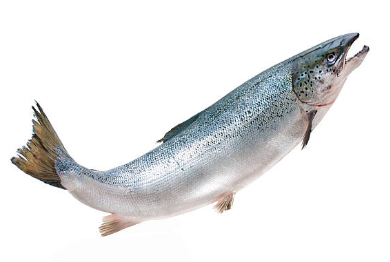
1. Salmon: the “ocean gold” loved by the whole world
Norwegian salmon is extremely famous, accounting for almost 40% of global seafood exports. Most of these salmon were raised in large net cages by the seaside. Fresh whole fish and frozen fish slices are sold around the world. It can become popular not only because it is delicious, with delicate meat and rich nutrients, but also because no matter how it is made. Since the first successful cultivation in fjords in the 1970s, Norwegian salmon has become the “top stream” in the seafood industry.
2. Smoked salmon: Nordic people’s favorite breakfast partner
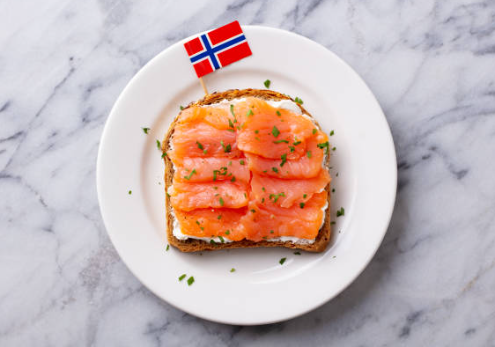
Smoked salmon is called Røkelaks in Norway and is made from farmed Atlantic salmon. Marinate first and then smoke, the color is pink, the meat is tender and smooth, with a light smoky aroma. Nowadays, most people use the method of cold smoking, which makes it more refreshing to eat. Whether it’s paired with bread or rolled vegetables, it’s a delicious breakfast that leaves one unable to stop taking one bite after another.
3. Fermented fish: a “dark dish” that smells bad but tastes fragrant
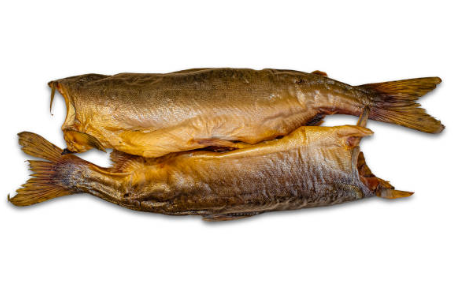
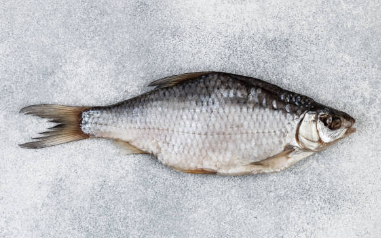
Rakfisk, also known as fermented fish, is a traditional Norwegian delicacy with a peculiar taste. Marinate trout or other freshwater fish with salt for several months, even a year. The fermented fish has a particularly strong odor, some say it’s like old cheese with smelly socks, but the taste is quite mild, with a hint of salty and sour taste. Although many people are scared away by its smell, Norwegians love this bite during festivals, especially the Fermented Fish Festival in November every year, which is extremely lively.
4. Cod jerky: a “sea dry food” that becomes more fragrant as chewed
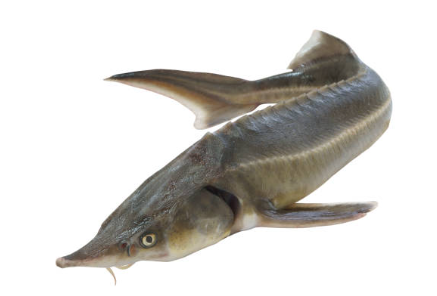
Dried cod (Boknafisk) is very common in northern Norway. Remove the cod’s head and organs, hang it in the cold winter wind to dry, about two to four weeks. It looks hard on the outside, but the meat inside is quite tender. When eating, soak until soft before cooking, with a solid texture and a fresh and sweet taste of cod. In the past, fishermen would bring it as dry food when going out to sea, but now it has become a home cooked dish in Norwegian households.
5. Faroe Islands Cod Dried: Certified Top Delicious
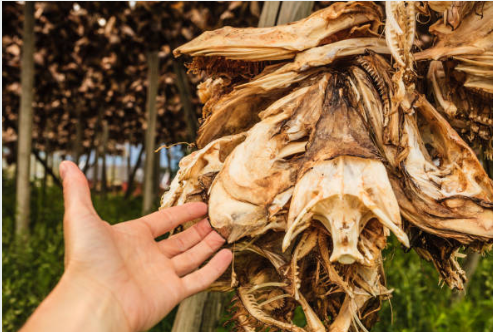
Similarly, the dried cod from the Faroe Islands (Tørrfisk fra Lofoten) is even more impressive and has obtained the “Geographical Indication Protection” certification. Every winter, fishermen catch cod near the Lofoten Islands and then air dry naturally. The climate here is particularly suitable for drying dried fish. The dried fish is golden in color and has a strong flavor, making it delicious to cook at will. It is the “golden signboard” of Norwegian seafood.
6. Norwegian Lobster: A Sweet Treasure in the Deep Sea
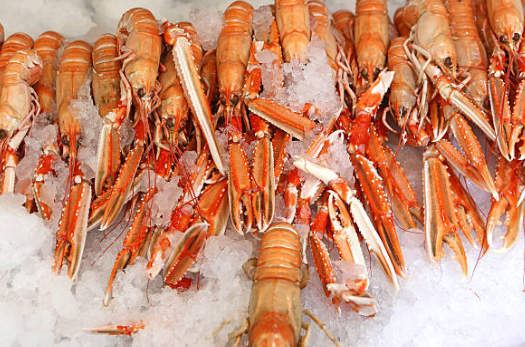
Norwegian lobsters live in the darkness of the deep sea, hiding in the sand during the day and only coming out to find food at night. Its meat is white and tender, with a sweet taste, especially the tail and pincer parts are the most delicious. Norwegians like to cook using simple methods, such as steaming or stir frying garlic, to taste the most authentic and sweet flavor. Although not as famous as salmon, those who have tried it will never forget its deliciousness.
Norwegian seafood has its own unique characteristics, from the delicacy of salmon to the uniqueness of fermented fish, from the simplicity of dried cod to the freshness and sweetness of lobster, each of which makes people feel the gift of the ocean. Next time you have the opportunity to go to Norway, be sure to eat all these seafood, it will definitely make you fall in love with the deep sea flavor of Northern Europe!